Relieve Heel Pain: Discover Shockwave Therapy for Plantar Fasciitis
You wake up in the morning, step out of bed — and feel a sharp stabbing pain in your heel.
For many people, that first step becomes the most painful part of the day.
Heel pain can slowly interfere with daily life. Walking becomes uncomfortable. Exercise feels difficult. Standing for long periods can become exhausting. Even simple activities like grocery shopping or taking a walk may feel frustrating.
Many patients try stretching, shoe inserts, ice, massage tools, or pain medications for months without lasting relief.
If this sounds familiar, you are not alone.
Heel pain is one of the most common reasons patients seek podiatric care, and plantar fasciitis is often the underlying cause. At Pacific Point Podiatry, we help patients throughout Santa Cruz County explore non-surgical solutions for chronic heel pain, including shockwave therapy for plantar fasciitis.
For patients looking to avoid surgery or prolonged downtime, shockwave therapy may offer a modern treatment option designed to support the body’s natural healing process.
Understanding Plantar Fasciitis
Plantar fasciitis is one of the leading causes of heel pain in adults.
The plantar fascia is a thick band of connective tissue that runs along the bottom of the foot, connecting the heel bone to the toes. Its job is to support the arch of the foot and help absorb shock during walking and running.
Over time, repetitive strain can overload this tissue and create tiny tears. When the tissue becomes irritated or inflamed, pain develops near the heel.
Although plantar fasciitis is commonly associated with athletes and runners, it can affect almost anyone.
People who spend long hours standing, walking on hard surfaces, or wearing unsupportive shoes may also develop plantar fasciitis.
Without proper treatment, the condition can become chronic and increasingly difficult to manage.
Common Symptoms and Causes of Heel Pain
Plantar fasciitis symptoms often develop gradually.
Many patients notice discomfort first thing in the morning or after sitting for long periods. The pain may improve slightly with movement but worsen again after prolonged activity.
Common symptoms include:
Sharp heel pain
Pain during the first steps in the morning
Stiffness after rest
Tenderness near the heel
Pain after exercise
Burning or aching discomfort
Difficulty walking comfortably
Several factors may contribute to plantar fasciitis and chronic heel pain, including:
Tight Calf Muscles
Limited flexibility in the calves can increase strain on the plantar fascia.
Poor Foot Mechanics
Flat feet, high arches, or abnormal walking patterns may overload the tissue.
Unsupportive Shoes
Worn-out footwear or shoes lacking arch support can increase repetitive stress.
Standing for Long Hours
Jobs requiring prolonged standing may increase heel pressure throughout the day.
Weight Gain
Additional body weight places more stress on the plantar fascia.
High-Impact Activities
Running, jumping, or sudden increases in exercise intensity can overload the tissue.
Because multiple factors often contribute to heel pain, a personalized evaluation is important.
The Role of Shockwave Therapy in Treatment
When conservative treatments fail to provide long-term relief, patients may begin exploring alternative options.
One increasingly popular treatment for chronic plantar fasciitis is extracorporeal shockwave therapy (ESWT), commonly known as shockwave therapy.
Shockwave therapy is a non-invasive treatment that uses acoustic pressure waves to stimulate healing within damaged tissue.
Despite the name, there are no electrical shocks involved.
The treatment is designed to encourage the body’s natural repair process while improving circulation and tissue regeneration.
For patients with chronic plantar fasciitis, shockwave therapy may help restart healing in tissue that has struggled to recover on its own.
Many patients choose shockwave therapy because they want to avoid surgery, injections, or long recovery periods.
How Shockwave Therapy Works
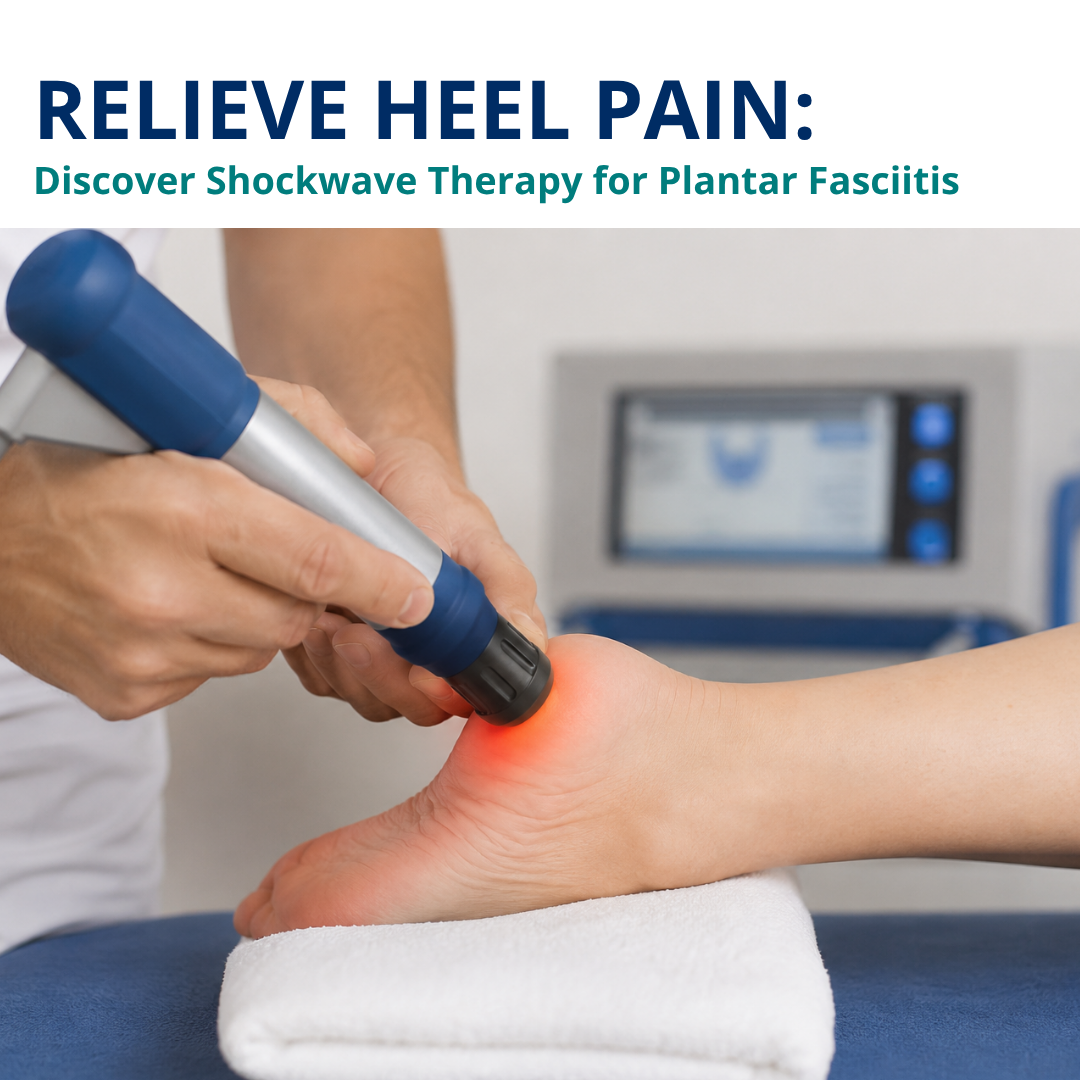
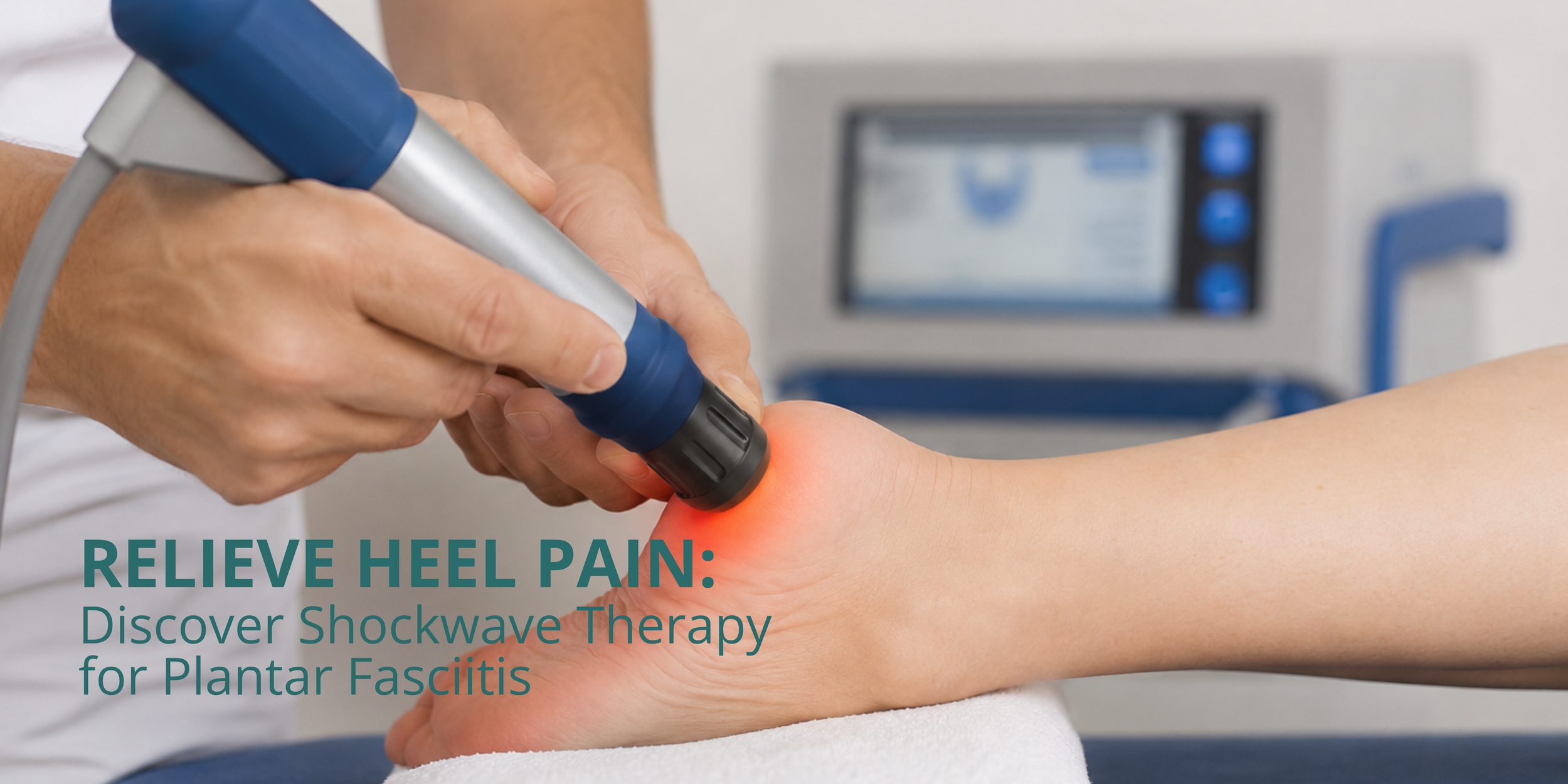
Shockwave therapy uses a handheld device that delivers controlled acoustic waves directly to the injured area of the foot.
These sound waves create mechanical stimulation within the tissue, which may help trigger healing responses in the body.
The treatment may help:
Increase blood circulation
Stimulate collagen production
Improve cellular repair
Reduce chronic inflammation
Break up scar tissue patterns
Encourage tissue regeneration
In chronic plantar fasciitis, the tissue often enters a cycle of failed healing. Shockwave therapy aims to interrupt that cycle and encourage recovery.
Unlike surgery, the treatment does not involve incisions, stitches, or tissue removal.
Because the procedure is non-surgical, downtime is usually minimal.
Benefits of Shockwave Therapy for Plantar Fasciitis
Many patients are interested in shockwave therapy because of its potential benefits compared to more invasive procedures.
Non-Surgical Treatment
Shockwave therapy does not require incisions or surgical recovery.
Minimal Downtime
Most patients are able to return to normal activities shortly after treatment.
No General Anesthesia
Treatment is typically performed in the office without hospital-based procedures.
Encourages Natural Healing
Rather than simply masking pain, shockwave therapy focuses on stimulating tissue repair.
Reduced Chronic Heel Pain
Many patients seek treatment after struggling with recurring pain for months or years.
May Help Avoid Surgery
For some patients, successful conservative treatment may reduce the need for surgical intervention.
While every patient responds differently, shockwave therapy has become a popular option for chronic plantar fasciitis treatment.
What to Expect During a Shockwave Therapy Session
Patients are often surprised by how quick and simple the treatment process can be.
During a shockwave therapy session:
A gel is applied to the treatment area.
A handheld device delivers acoustic waves to the heel.
The provider targets the painful tissue directly.
Sessions usually last only several minutes.
Most patients describe the sensation as:
Tapping
Pulsing
Mild pressure
Rapid vibrations
Some areas may feel temporarily sensitive, especially where inflammation is severe.
After treatment, mild soreness may occur briefly, similar to post-workout muscle soreness.
Most patients are able to walk normally and resume daily activities afterward.
Because healing takes time, improvement may occur gradually over several weeks.
Comparing Shockwave Therapy with Other Treatment Options
There is no single treatment that works for every case of plantar fasciitis.
At Pacific Point Podiatry, treatment plans are individualized based on the patient’s condition, lifestyle, and goals.
Stretching and Physical Therapy
Stretching exercises may improve calf flexibility and reduce strain on the plantar fascia.
Orthotics
Custom orthotics may help improve foot mechanics and support the arch.
Supportive Footwear
Proper shoes can reduce repetitive stress during walking and standing.
Night Splints
Night splints help stretch the fascia overnight to reduce morning pain.
Steroid Injections
Steroid injections may provide temporary pain relief but do not always address long-term healing.
Surgery
Surgery is generally considered only after conservative options have failed.
Compared to surgery, shockwave therapy offers a non-invasive option with less downtime and lower recovery demands.
Many patients appreciate having a treatment option that focuses on stimulating healing rather than simply masking symptoms.
Patient Testimonials and Success Stories
Many patients seeking shockwave therapy have already spent months or years dealing with chronic heel pain.
Some have stopped exercising completely. Others struggle with work duties, walking, or standing comfortably throughout the day.
Patients often report that chronic heel pain affects more than just their feet — it impacts overall quality of life.
While every patient experience is different, many individuals pursue shockwave therapy because they want:
Long-term improvement
Non-surgical treatment
Faster recovery
Better mobility
Reduced daily pain
At Pacific Point Podiatry, treatment plans are tailored to the individual patient rather than using a one-size-fits-all approach.
Addressing both the pain and the underlying mechanics of the foot is often important for long-term success.
Potential Side Effects and Considerations
Shockwave therapy is generally considered safe and minimally invasive, but patients should still understand potential side effects and limitations.
Some patients may experience:
Temporary soreness
Mild swelling
Redness
Temporary sensitivity in the treatment area
These symptoms are usually mild and short-lived.
Not every patient is an ideal candidate for shockwave therapy, which is why a proper evaluation is important.
Other causes of heel pain — such as stress fractures, nerve irritation, arthritis, or Achilles tendon disorders — may require different treatment approaches.
An accurate diagnosis helps ensure patients receive the most appropriate care.
Conclusion: Is Shockwave Therapy Right for You?
Many people continue walking, exercising, or working through heel pain because they assume it is something they simply have to live with.
But persistent pain is not normal.
When heel pain continues for months, it may be a sign that the tissue is struggling to heal properly.
Shockwave therapy may offer a non-surgical option for patients dealing with chronic plantar fasciitis who want to explore alternatives to surgery or repeated injections.
At Pacific Point Podiatry, we focus on identifying the root causes of foot pain while helping patients explore conservative treatment options whenever appropriate.
If heel pain is interfering with your daily life, early treatment may help prevent chronic damage and prolonged discomfort.
To learn more about shockwave therapy for plantar fasciitis and other non-surgical heel pain treatment options.