Non-Surgical Treatments for Chronic Foot Pain
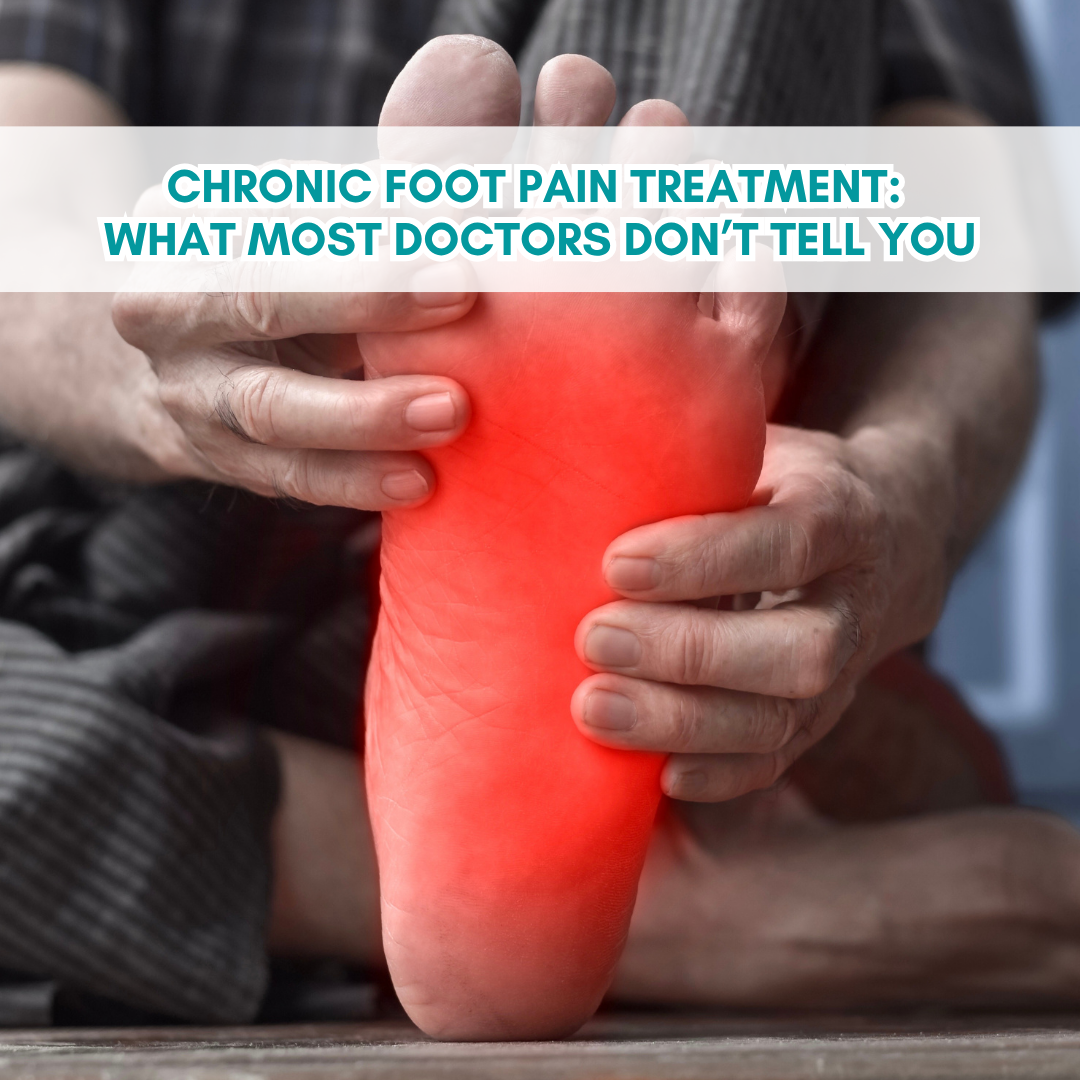
Chronic foot pain can significantly impact your mobility, daily activities, and overall quality of life. While surgery is often thought of as the ultimate solution, many patients achieve meaningful relief through nonsurgical foot pain relief methods. Advanced non-invasive foot treatments allow patients to heal, restore function, and often avoid foot surgery, making them a safe and effective alternative for managing chronic foot conditions.
Whether your pain stems from plantar fasciitis, Achilles tendonitis, neuromas, or other persistent foot issues, understanding your options is the first step toward lasting comfort.
Why Surgery Isn’t Always the First-Line Treatment
Surgery is sometimes necessary, but it carries inherent risks, including:
Infection or wound complications
Prolonged recovery and limited mobility
Possibility of worsening symptoms or new issues
Disruption to work and daily life
Non-surgical treatments aim to relieve pain and restore function without incisions, anesthesia, or extended downtime. Studies show that many patients experience significant improvement through non-invasive therapies, particularly for conditions like plantar fasciitis or Achilles tendonitis.
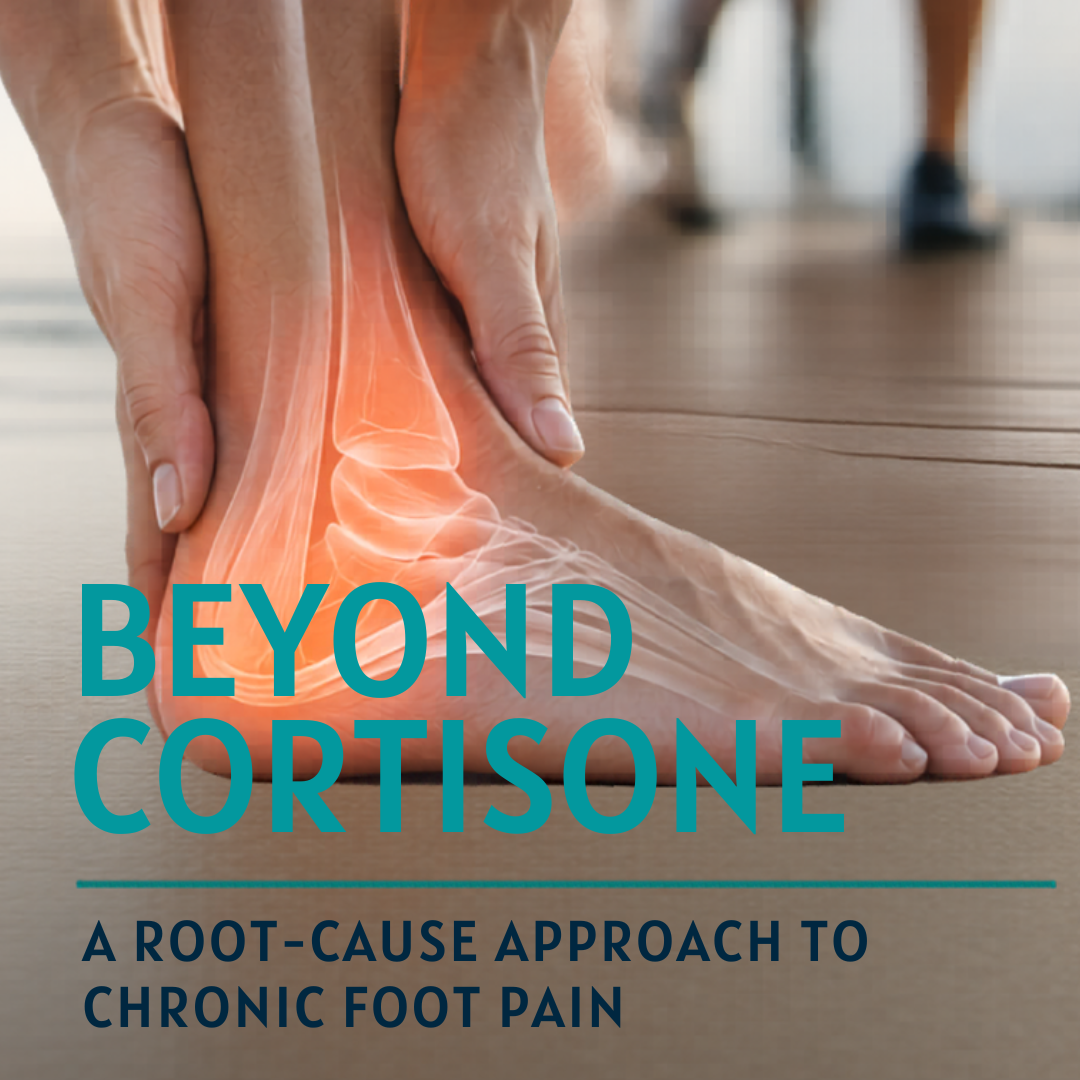
Another advantage is that non-surgical approaches often focus on addressing the root cause rather than just masking pain. By correcting biomechanical imbalances, reducing inflammation, and improving circulation, these treatments provide sustainable, long-term relief and help prevent future foot problems.
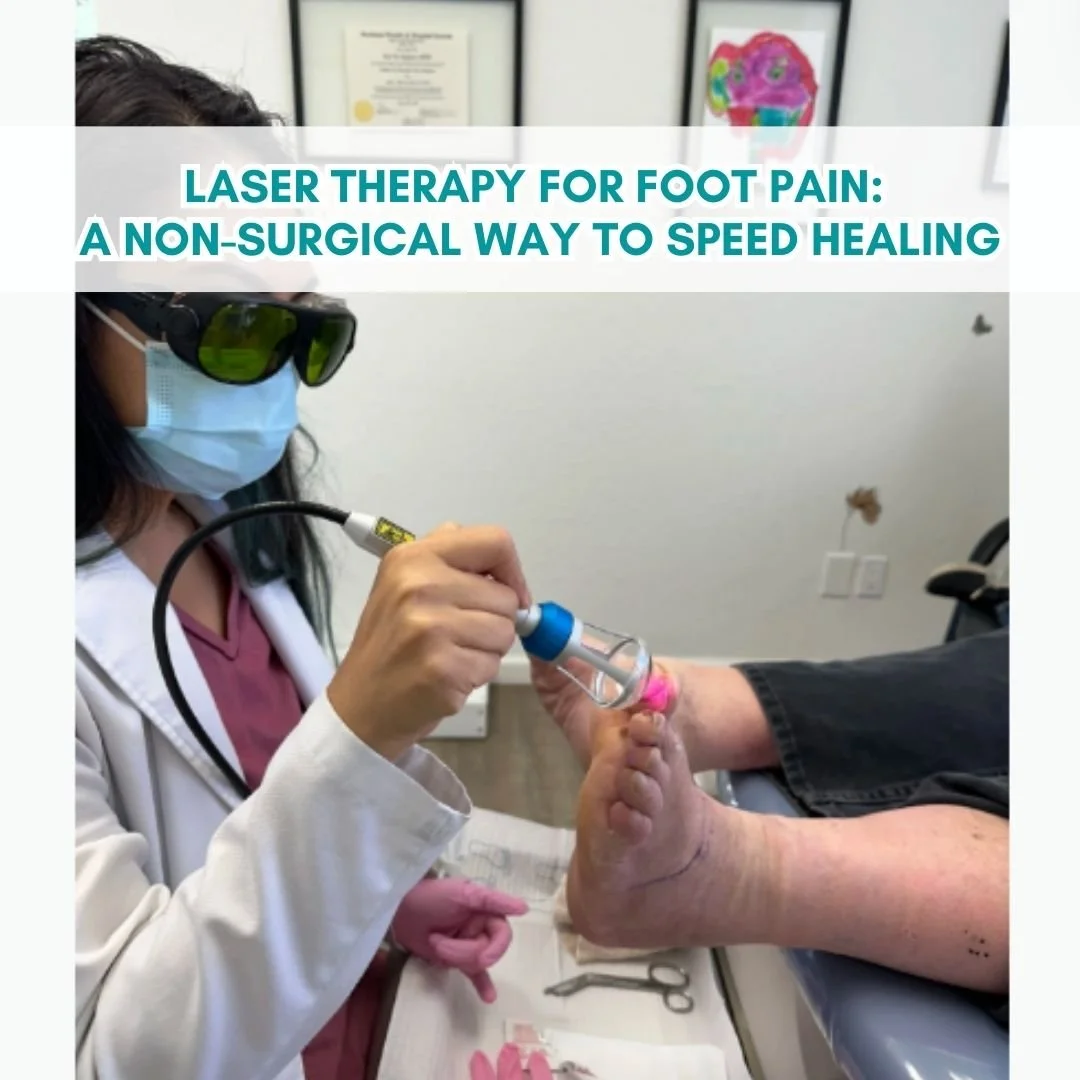
Laser Therapy for Chronic Foot Pain
Laser therapy is an innovative, non-invasive foot treatment that uses focused light energy to accelerate the body’s natural healing processes.
How It Works
The laser penetrates deep into soft tissue, promoting:
Cellular repair and regeneration
Increased circulation
Reduced inflammation and pain
Conditions Treated
Plantar fasciitis
Achilles tendonitis
Chronic heel pain
Neuropathy-related discomfort
Soft tissue injuries
Advantages
Quick sessions (10–15 minutes)
Non-invasive, painless, and safe
Minimal side effects; slight warmth or tingling is typical
Can be combined with orthotics, physical therapy, or other treatments
Laser therapy is an effective option for patients who want to avoid foot surgery while addressing chronic pain at its source.
Shockwave Therapy (EPAT/ESWT)
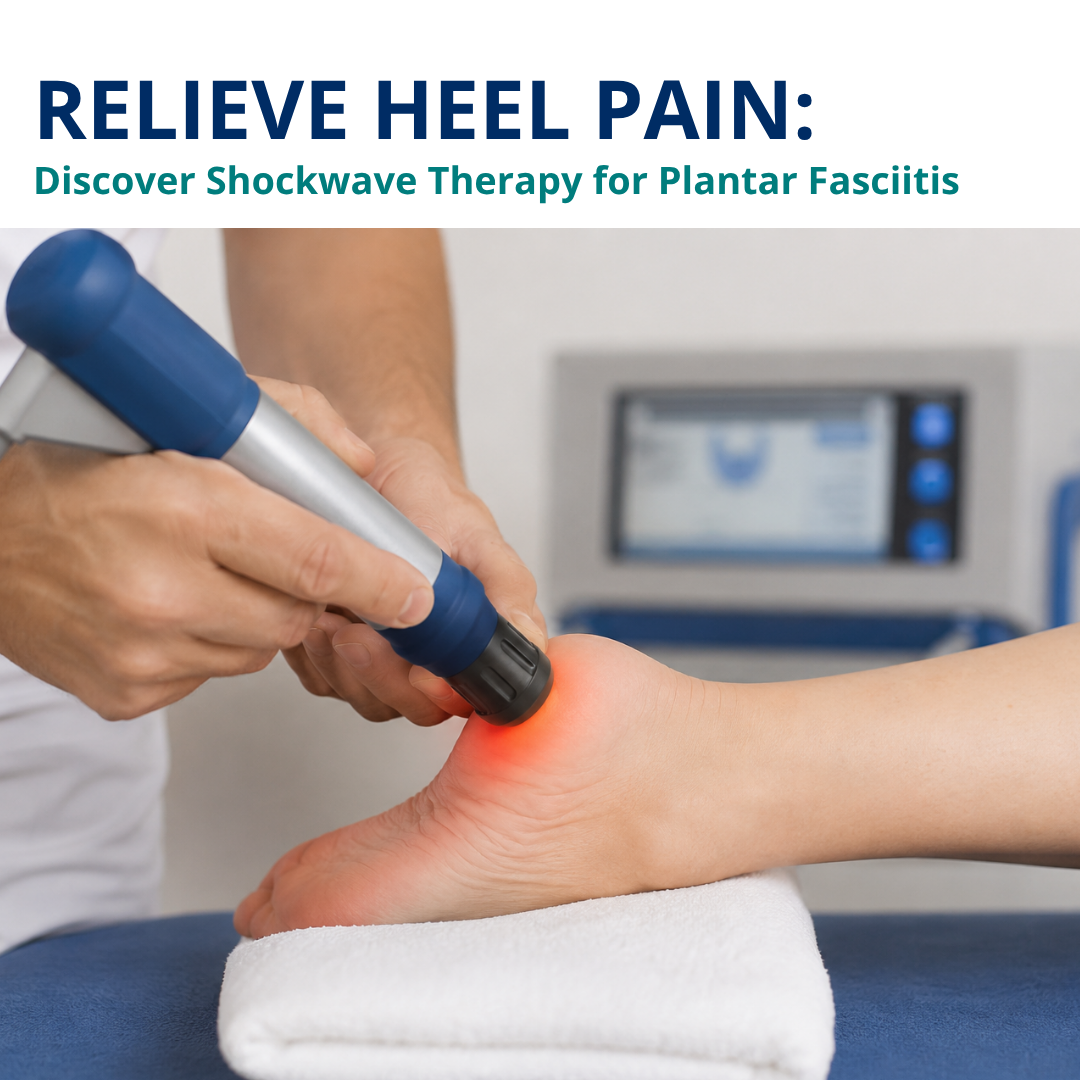
Shockwave therapy, also known as Extracorporeal Pulse Activation Technology (EPAT) or Extracorporeal Shock Wave Therapy (ESWT), is a nonsurgical foot pain relief method that uses acoustic waves to stimulate tissue repair.
How It Works
Shockwaves:
Increase blood flow to damaged tissue
Break down scar tissue
Promote cellular regeneration
Reduce inflammation
Conditions Treated
Plantar fasciitis
Heel spurs
Achilles tendinopathy
Calcific tendonitis
Benefits
Non-invasive and medication-free
No downtime; normal activities can resume immediately
Multiple sessions often provide long-lasting relief
Mild temporary discomfort is the only common side effect
Shockwave therapy is especially useful for persistent pain when traditional measures like rest or stretching haven’t worked.
Cellular Injections (Regenerative Medicine)
Regenerative medicine has emerged as a cutting-edge non-invasive foot treatment for chronic pain. Cellular injections, including stem cells or platelet-rich plasma (PRP), promote healing and tissue regeneration.
How It Works
Stem cells differentiate into various tissue types, aiding repair
PRP contains growth factors that accelerate tissue healing
Conditions Treated
Plantar fasciitis
Achilles tendonitis
Osteoarthritis
Ligament and tendon injuries
Advantages
Minimally invasive and performed in-office
Uses patient’s own cells, minimizing side effects
Addresses the root cause of pain, not just symptoms
Often prevents recurrence of chronic foot pain
Cellular injections offer sustainable relief for patients seeking to avoid foot surgery while addressing underlying tissue damage.
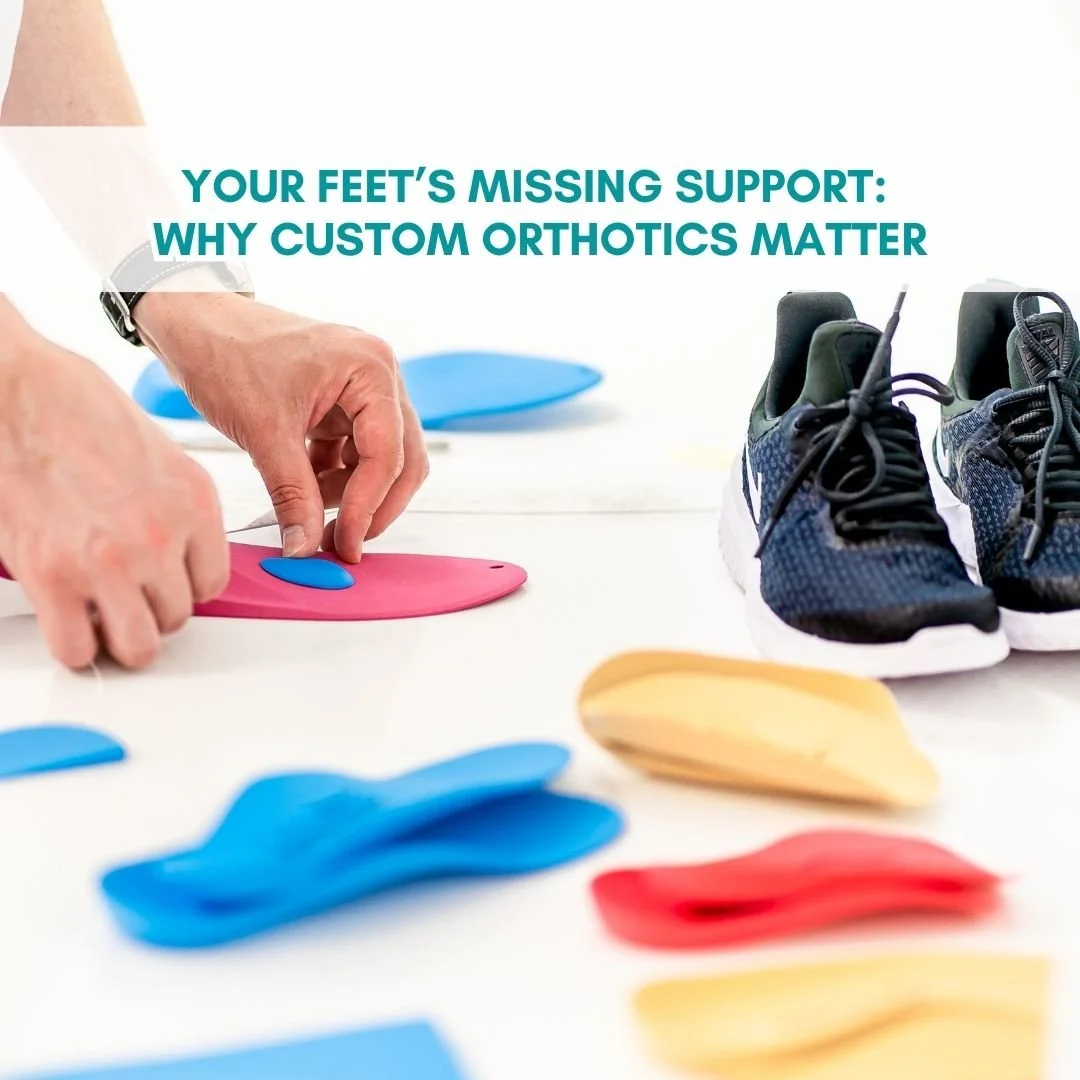
Custom Orthotics: Correcting the Root Cause
Foot pain often arises from structural or biomechanical issues. Flat feet, high arches, or abnormal gait patterns can strain muscles, tendons, and joints over time.
How Custom Orthotics Work
Custom orthotics are specifically designed to:
Support arches and foot structure
Improve alignment and posture
Distribute pressure evenly
Reduce strain on inflamed tissues
Benefits
Address the root cause of chronic foot pain
Prevent further damage and future injuries
Complement other therapies such as laser, shockwave, or regenerative treatments
Unlike generic insoles, custom orthotics are tailored to your unique foot shape and mechanics, making them a cornerstone of effective nonsurgical foot pain relief.
Functional Medicine Approach to Foot Pain
Functional Medicine Approach
Chronic foot pain can also be influenced by systemic factors. Functional medicine addresses the body as a whole, identifying underlying contributors such as:
Inflammation
Nutrient deficiencies
Metabolic imbalances
Circulatory problems
Lifestyle factors (stress, activity, diet)
Benefits
Personalized treatment plans addressing root causes
Incorporates diet, supplements, physical therapy, and lifestyle modifications
Supports long-term healing and pain prevention
By combining functional medicine with non-invasive foot treatments, patients achieve comprehensive care that improves both symptoms and overall well-being.
Common Conditions That Often Improve Without Surgery
Many chronic foot conditions respond well to non-surgical interventions, including:
Plantar fasciitis – heel and arch pain
Achilles tendonitis – tendon inflammation at the back of the heel
Bunions – bony bumps at the base of the big toe
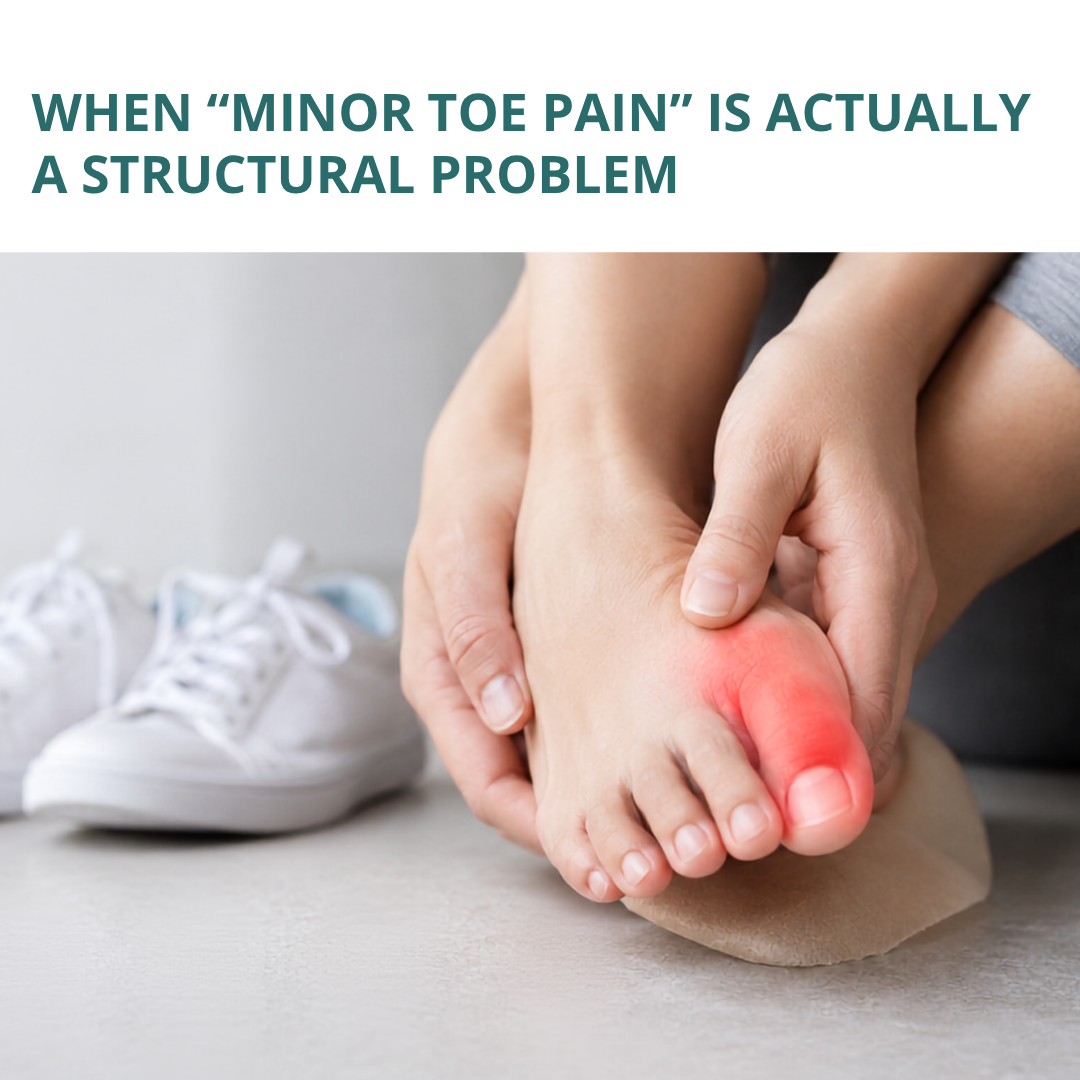
Morton’s neuroma – nerve inflammation in the ball of the foot
Early-stage arthritis – joint pain and stiffness
Tendinopathy – chronic tendon irritation
These treatments can relieve pain, restore mobility, and prevent progression, often eliminating the need for surgery.
The Goal: Restore Function, Not Just Reduce Pain
Effective management of chronic foot pain focuses on restoring function alongside reducing discomfort. Key components include:
Correcting foot mechanics with orthotics or therapy
Strengthening muscles and improving flexibility
Reducing inflammation
Addressing lifestyle factors such as exercise, diet, and recovery
By targeting both symptoms and root causes, patients achieve long-term relief and reduce the risk of recurrence.
Don’t Ignore Chronic Foot Pain
Persistent foot pain can lead to worsening symptoms and complications elsewhere in the body, such as knees, hips, or back problems. Early intervention allows:
Faster recovery
Less invasive treatment options
Improved long-term outcomes
Reduced risk of chronic disability
Proactive care, including proper footwear, exercise, and professional evaluation, is essential for preventing chronic pain and maintaining mobility.
Conclusion
Chronic foot pain doesn’t have to control your life. With advanced nonsurgical foot pain relief options, including laser therapy, shockwave therapy, regenerative cellular injections, and custom orthotics, patients can address the root causes of pain, restore function, and often avoid foot surgery.
By combining these therapies with a holistic, functional approach that considers biomechanics, lifestyle, and overall health, long-term results are achievable. Early evaluation and intervention maximize options for conservative care and can help prevent future complications.
If you’re struggling with plantar fasciitis, Achilles tendonitis, neuromas, or other chronic foot conditions, exploring non-invasive treatment options may allow you to regain comfort, mobility, and confidence — without the risks and recovery time associated with surgery.