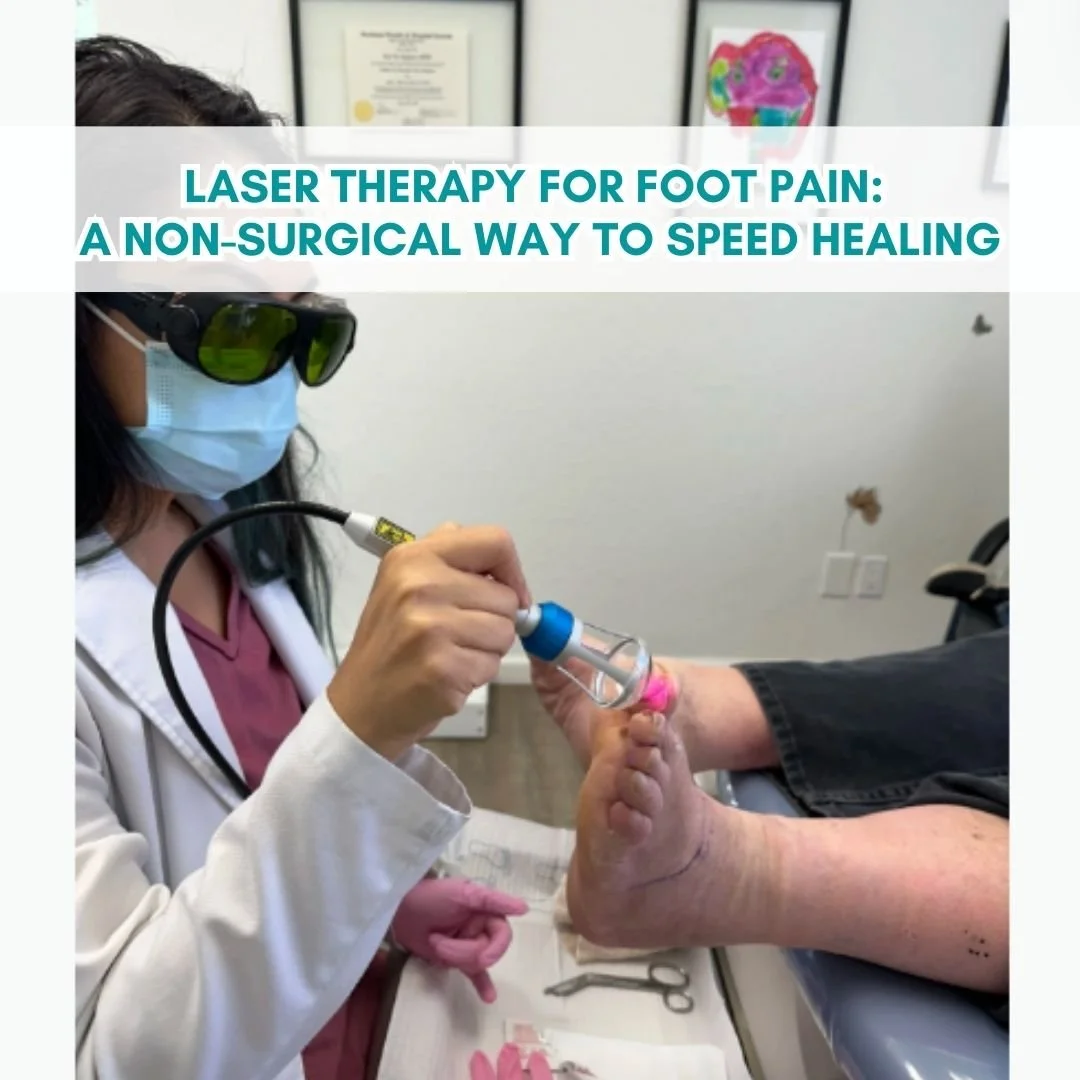
Laser Therapy for Foot Pain: A Non-Surgical Way to Speed Healing
Foot pain can disrupt daily life, making simple tasks like walking, exercising, or standing a challenge. Many patients assume surgery is the only solution for chronic foot pain, but modern treatments now offer effective non-surgical options.
One of the most promising treatments available today is laser therapy for foot pain. This non-invasive therapy helps reduce inflammation, relieve pain, and stimulate the body’s natural healing process—without surgery, injections, or long recovery periods. In particular, advanced systems like Remy Class IV Laser Therapy provide a higher-powered approach for faster and more effective healing.
In this blog, we’ll dive into how laser therapy works, what conditions it treats, what patients can expect during treatment, and who is a good candidate.
Understanding Foot Pain: Causes and Symptoms
Foot pain is a common issue affecting people of all ages. Understanding the root cause is essential for proper treatment. Foot pain can arise from several conditions, each producing unique symptoms:
Plantar Fasciitis
Plantar fasciitis occurs when the plantar fascia—a thick band of tissue along the bottom of the foot—becomes inflamed. This condition is a leading cause of heel pain, especially during the first steps in the morning or after sitting for long periods. Patients often describe it as sharp or stabbing pain near the heel.
Tendonitis
Tendonitis is the inflammation of tendons caused by repetitive use or injury. Common symptoms include dull aches or sharp pain during movement, particularly in the Achilles tendon or other foot tendons.
Neuropathy
Peripheral neuropathy affects the nerves in the feet, leading to tingling, numbness, burning sensations, or sharp pain. It can result from diabetes, nerve compression, or other systemic conditions.
Osteoarthritis
Osteoarthritis develops as cartilage in the foot’s joints gradually wears down. It causes swelling, stiffness, and aching pain that often worsens with activity.
Bunions and Structural Issues
Bunions are bony protrusions at the base of the big toe, often caused by ill-fitting footwear. They can cause redness, swelling, and localized pain. Foot deformities and mechanical imbalances can also lead to chronic discomfort.
Other causes include stress fractures, inflammation, or neuromas (thickened nerve tissue), which can lead to burning, tingling, or numbness in the ball of the foot.
Understanding the source of foot pain
What Is Laser Therapy?
Laser therapy, also called low-level laser therapy (LLLT) or cold laser therapy, uses specific wavelengths of light to penetrate the skin and reach injured tissues. The therapy stimulates cellular repair, reduces inflammation, and alleviates pain.
Unlike surgical lasers, therapeutic lasers do not cut or burn tissue. Instead, they deliver light energy deep into the cells, triggering a process called photobiomodulation, which enhances the body’s natural healing mechanisms.
How Laser Therapy Works
Laser therapy works at a cellular level. When laser light penetrates the skin, it is absorbed by the mitochondria, the “powerhouse” of the cell. This absorption increases the production of ATP (adenosine triphosphate), the energy cells need to repair damaged tissues.
Laser therapy also promotes:
Increased blood flow to the injured area
Improved oxygen and nutrient delivery
Reduction of inflammation and swelling
Stimulation of endorphins, the body’s natural pain relievers
By targeting the root cause of pain, laser therapy addresses inflammation, promotes tissue repair, and accelerates recovery.
Remy Class IV Laser Therapy: Advanced Technology
At Pacific Point Podiatry, we offer advanced options like Remy Class IV Laser Therapy, a high-powered FDA-cleared laser used for foot pain, chronic injuries, mild arthritis, and neuropathy.
How It Works
Remy Class IV Laser Therapy delivers concentrated light energy deep into tissues, stimulating mitochondria and increasing ATP production, which energizes cells to repair and regenerate tissues more effectively.
Key benefits include:
Increased circulation and oxygen delivery
Reduced inflammation and swelling
Relaxation of muscle spasms
Enhanced tissue repair
Accelerated nerve regeneration for conditions like diabetic neuropathy
This therapy is particularly beneficial for chronic injuries or persistent inflammation that haven’t responded to traditional treatments.
What to Expect During Treatment
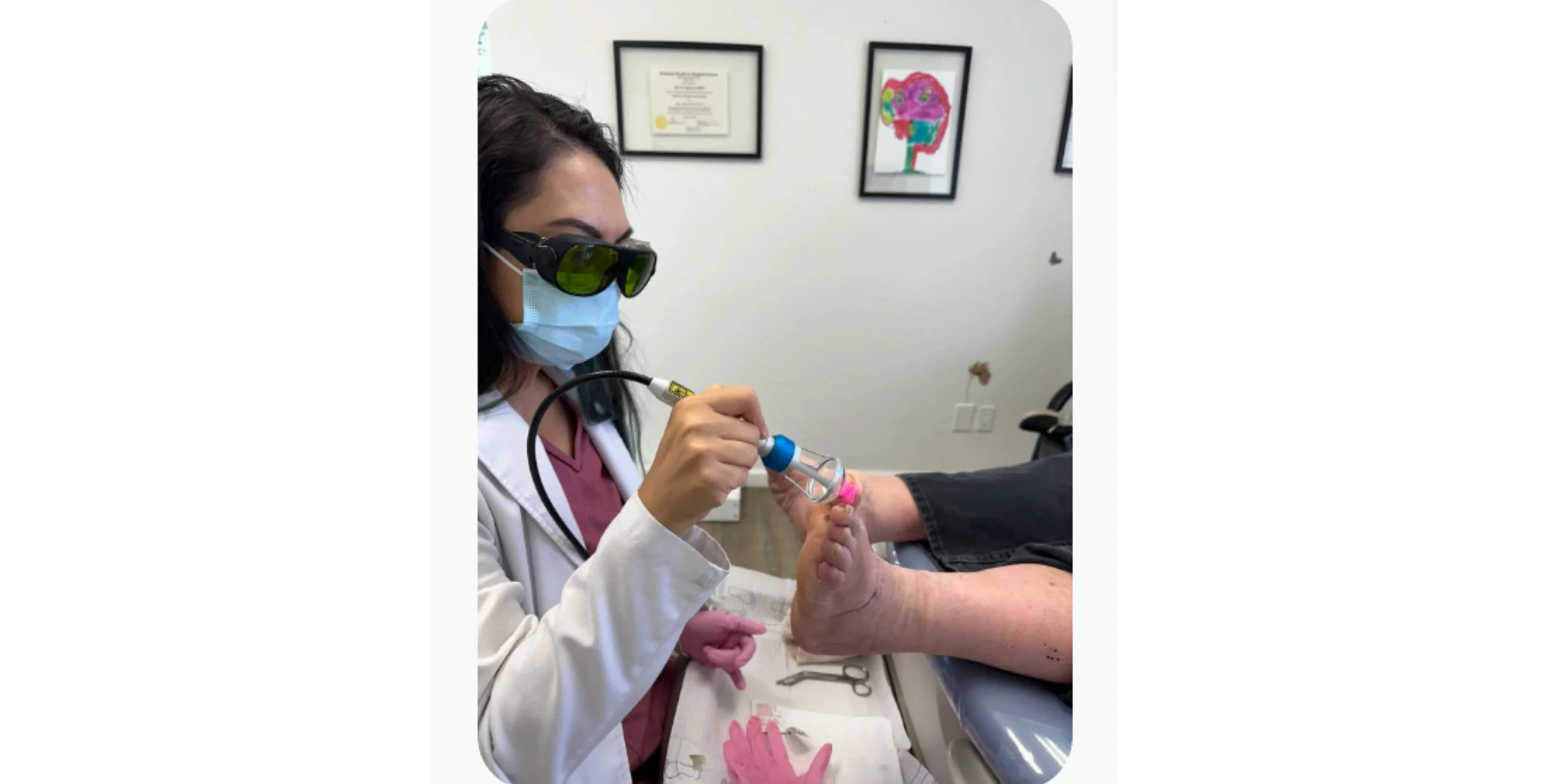
Patients sit or lie comfortably while the laser is applied to the affected area.
Treatments usually last 5–15 minutes per area.
The laser produces a warm, soothing sensation.
Most patients notice pain relief even after the first session.
Number of Sessions
Acute conditions: often respond within 6 or fewer sessions
Chronic conditions: may require 10–15 treatments or more
Benefits are cumulative, meaning each session builds on the previous one
Safety Precautions
Patients wear protective safety glasses to block the laser wavelengths
Minor temporary effects may include slight soreness, redness, or swelling
A professional assessment ensures the therapy is safe for each patient
Conditions Treated with Laser Therapy
Laser therapy is effective for a wide range of foot and ankle conditions:
Plantar Fasciitis
Laser therapy reduces inflammation in the plantar fascia, the tissue connecting your heel to your toes. Many patients experience reduced heel pain and improved mobility with consistent treatments.
Neuropathy
Laser therapy can stimulate nerve repair, which may help alleviate tingling, burning, or numbness caused by neuropathy.
Tendonitis
Laser therapy supports tendon healing by improving blood flow, reducing inflammation, and encouraging tissue repair.
Other Uses
Laser therapy can also help with muscle strains, arthritis-related pain, and chronic soft tissue injuries, making it a versatile option for patients seeking non-surgical solutions.
Benefits of Laser Therapy
Patients choose laser therapy for multiple reasons:
Non-invasive: No surgery, injections, or anesthesia
Targeted: Focuses directly on the injured area
Pain relief: Reduces discomfort naturally without medications
Accelerated healing: Stimulates tissue repair at the cellular level
Minimal downtime: Most patients return to daily activities immediately
Laser therapy can also reduce dependence on pain medications, which often have unwanted side effects.
What Patients Can Expect
Most patients report a soothing, warm sensation during treatment. Pain relief can be noticeable after the first session, although chronic conditions may require multiple treatments.
Temporary soreness is normal and typically resolves within 24 hours. Treatments are painless, safe, and allow patients to continue normal activities immediately afterward.
Who Is a Good Candidate?
Laser therapy is suitable for a wide range of patients:
Athletes recovering from foot injuries, plantar fasciitis, or tendonitis
Older adults with osteoarthritis or chronic foot pain
Individuals seeking non-surgical options
Patients with nerve pain or peripheral neuropathy
A professional evaluation ensures laser therapy is safe and appropriate for each patient.
FAQs About Laser Therapy
Will laser therapy replace other treatments?
Laser therapy is often used alongside physical therapy or orthotics to maximize results, but it can also be effective as a stand-alone treatment.
Is the treatment painful?
Most patients report a gentle warming or soothing sensation. Temporary soreness may occur but is typically mild.
How long do results last?
Pain relief can last hours, days, or weeks, depending on the condition. Chronic conditions may require ongoing care to sustain results.
Are there risks?
Laser therapy is generally safe. Minor temporary effects may include redness, mild swelling, or increased soreness. Patients must wear safety glasses during treatment.
Conclusion: Is Laser Therapy Right for You?
Laser therapy offers a safe, non-surgical option for patients suffering from foot pain, including plantar fasciitis, tendonitis, and neuropathy. By targeting inflammation, stimulating tissue repair, and promoting nerve regeneration, it can help patients regain mobility and reduce pain.
If you are experiencing persistent foot pain and want to explore non-surgical treatments, laser therapy may be the solution you need. Consult with a qualified podiatrist to determine if this advanced therapy is right for your condition and receive a personalized treatment plan.