Regenerative Injections for Foot Pain: A Surgery Alternative
Foot pain that doesn't go away is more than an inconvenience — it changes how you move, work, and live. For many patients, the conversation eventually turns to surgery. But before you schedule an operation, there's a growing body of evidence behind a different approach: regenerative medicine for foot pain. At Pacific Point Podiatry, Dr. Tea Nguyen offers cellular injections as a minimally invasive, science-supported alternative that works with your body's own healing capacity — not around it.
What Are Regenerative Injections?
Regenerative injections — also called cellular injections — are a form of regenerative medicine for foot pain that work by delivering biological material directly into damaged tissue to support the body's natural repair process. Rather than numbing the pain or cutting away the problem, these injections aim to restore the tissue itself.
The most common types used in podiatric care include:
Platelet-Rich Plasma (PRP): Derived from your own blood, PRP is concentrated with growth factors that signal your body to accelerate healing in tendons, ligaments, and soft tissue.
Amniotic or Allograft Cellular Injections: These ethically sourced cellular preparations contain growth factors, proteins, and other biologics that help reduce inflammation and support tissue regeneration at the injection site.
Both types are minimally invasive, performed in-office, and require little to no recovery time — a meaningful distinction for patients who cannot afford weeks away from work or daily life.
How Regenerative Injections Work
The principle behind regenerative medicine for foot pain is straightforward: the body already knows how to heal. Regenerative injections amplify and redirect that healing capacity to areas where it has stalled or is insufficient.
Here is what happens at the biological level:
Growth factor release triggers a cascade of cellular activity, attracting repair cells to the injury site and signaling the production of new collagen — the structural protein that makes up tendons, ligaments, and fascia.
Inflammation modulation shifts the tissue environment from chronic, degenerative inflammation to active, productive healing. Unlike corticosteroids that suppress inflammation broadly, regenerative injections recalibrate it.
Cellular regeneration occurs as the body deposits new tissue to replace damaged fibers, gradually restoring the structural integrity of the tendon or fascia.
Improved circulation to chronically injured tissue supports nutrient delivery and waste removal — two factors critical to healing in areas like the Achilles tendon and plantar fascia that naturally receive less blood flow.
Results are not immediate. Most patients begin to notice improvement over four to eight weeks, with continued progress over several months as tissue remodels and strengthens.
Benefits of Choosing Regenerative Injections Over Surgery
Surgery is sometimes the right answer — but it carries real trade-offs. Understanding the advantages of cellular injections helps patients make a genuinely informed decision.
Minimally invasive. No incisions, no general anesthesia, no surgical risks. The procedure is performed in-office with a needle, not in an operating room.
Minimal downtime. Most patients return to normal or light activity within a day or two. Surgical recovery for foot procedures can take weeks to months.
Addresses root cause. Rather than removing or restructuring tissue, regenerative injections work to restore it — targeting the underlying degeneration rather than the symptom alone.
Lower risk profile. Infection, nerve damage, wound complications, and anesthesia reactions are surgical risks that simply do not apply to in-office cellular injections.
Complements other therapies. Regenerative injections work synergistically with laser therapy, shockwave therapy, custom orthotics, and physical therapy — making them part of a comprehensive care plan rather than a standalone procedure.
Preserves surgical options. Choosing regenerative therapy first does not close the door on surgery. If cellular injections do not provide adequate relief, surgery remains an option. The reverse is not always true — some surgical outcomes limit future treatment flexibility.
Who Is a Good Candidate for Regenerative Injections?
Regenerative medicine for foot pain is most effective for patients who meet certain clinical criteria. Dr. Tea conducts a thorough evaluation before recommending this approach.
You may be a strong candidate if you have:
Plantar fasciitis lasting three or more months despite stretching, orthotics, or other conservative care
Achilles tendinopathy or chronic tendon pain unresponsive to rest and physical therapy
Morton's neuroma or persistent ball-of-foot nerve pain
Ligament sprains or partial tendon tears that are slow to heal
Early to moderate foot or ankle osteoarthritis
A history of corticosteroid injections that provided only temporary relief
Regenerative injections may not be appropriate if you:
Have an active infection at or near the proposed injection site
Are pregnant (for certain allograft types)
Have a bleeding disorder or are on anticoagulant therapy that cannot be paused
Have advanced structural deformity that requires surgical correction
The only way to know for certain is through a full evaluation. Dr. Tea reviews your imaging, treatment history, and goals before making a recommendation tailored to your specific condition.
When Should You Consider Regenerative Injections?
A common question patients ask is: How long should I wait before pursuing regenerative therapy?
The honest answer is — don't wait too long. Chronic foot pain tends to worsen over time as tissue continues to degrade and compensatory movement patterns create secondary problems in the knees, hips, and spine.
Consider regenerative injections when:
Conservative treatments (rest, ice, stretching, orthotics, NSAIDs) have been tried for 3 or more months without significant improvement
You've received corticosteroid injections that provided only short-term relief or no relief at all
You're being told surgery is the next step, but you want to explore alternatives first
Your pain is affecting your ability to walk, work, exercise, or sleep
Imaging (X-ray, ultrasound, or MRI) shows tendon degeneration, fascial thickening, or soft tissue damage that hasn't responded to conservative care
Regenerative injections are not a last resort — they are a proactive, science-supported option that can be pursued before reaching the point where surgery feels inevitable.
What to Expect at Pacific Point Podiatry
At Pacific Point Podiatry, regenerative therapy is part of a whole-person approach to foot care. Dr. Tea will evaluate not only the injured structure but also the biomechanical, lifestyle, and systemic factors that may be slowing your recovery.
Your treatment plan may combine cellular injections with:
Custom orthotics to correct the underlying mechanics contributing to your injury
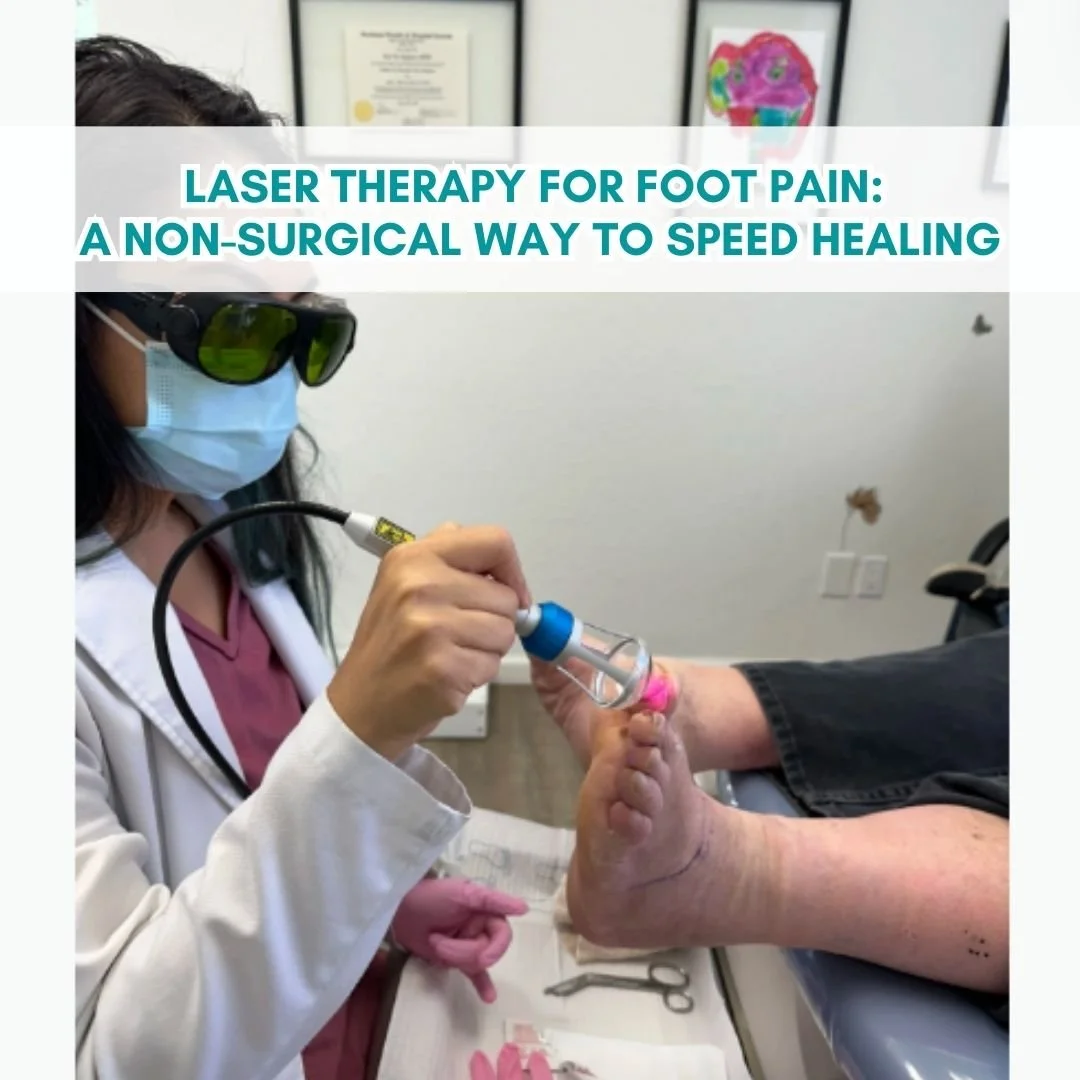
Laser therapy to enhance circulation and cellular repair
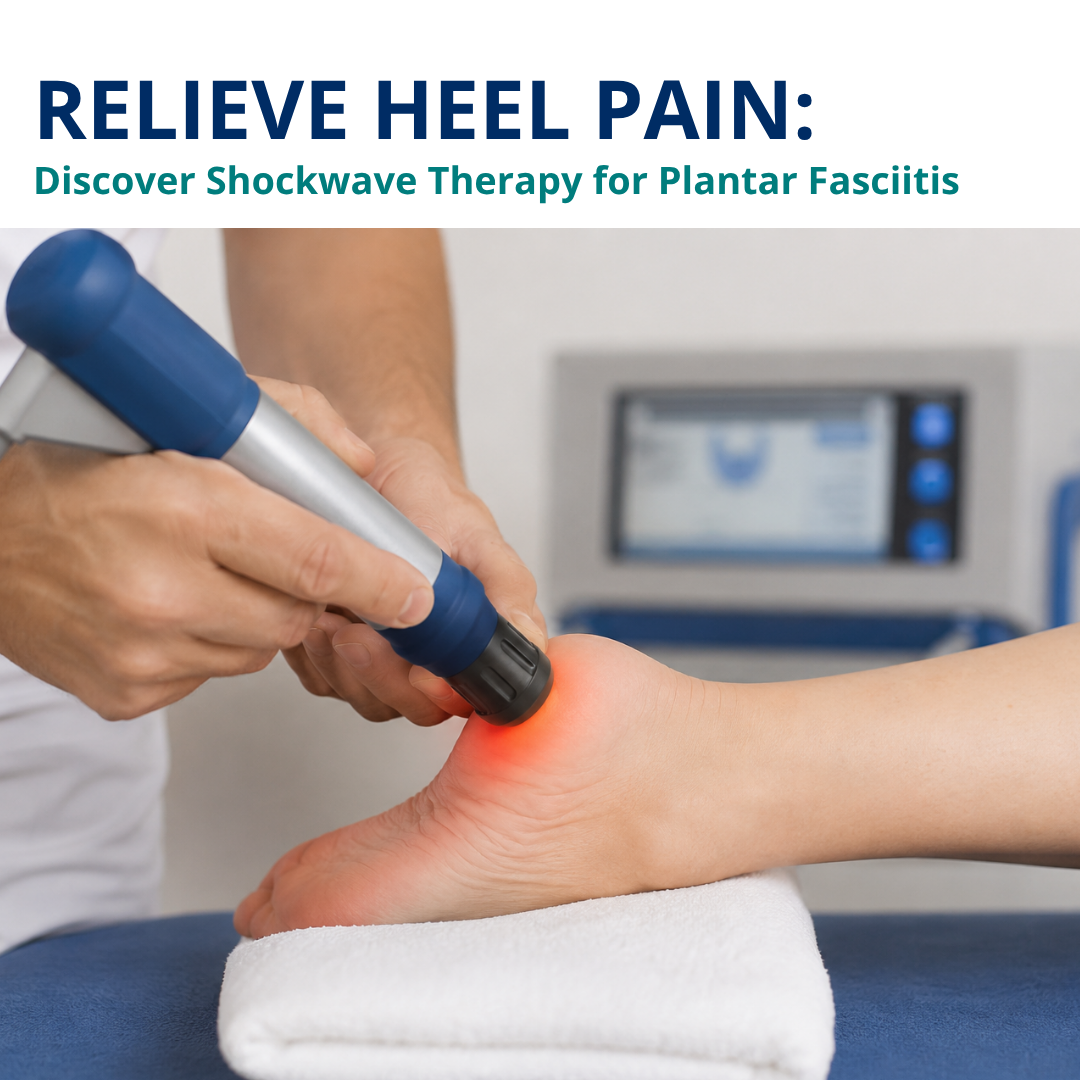
Shockwave therapy to break down scar tissue and stimulate healing
Functional medicine guidance to support your body's ability to heal from the inside out
This integrated approach is what sets regenerative care apart from a simple injection. The goal isn't just to reduce pain — it's to restore the health and function of your foot so you can stay active, mobile, and out of the operating room.
Conclusion: Making an Informed Decision on Foot Pain Treatment
Chronic foot pain does not have a one-size-fits-all solution — and surgery should not be the default when less invasive options remain. Regenerative medicine for foot pain, including cellular injections like PRP and amniotic allografts, offers a medically sound, minimally invasive path toward healing that is worth exploring before committing to an operation.
The right treatment decision is one made with complete information, a thorough evaluation, and a provider who takes the time to understand your condition and your goals. At Pacific Point Podiatry, that is the standard Dr. Tea holds for every patient.
If you are living with foot pain that has not responded to conservative care — or if you have been told surgery is the next step — schedule a consultation to find out whether regenerative injections are right for you.