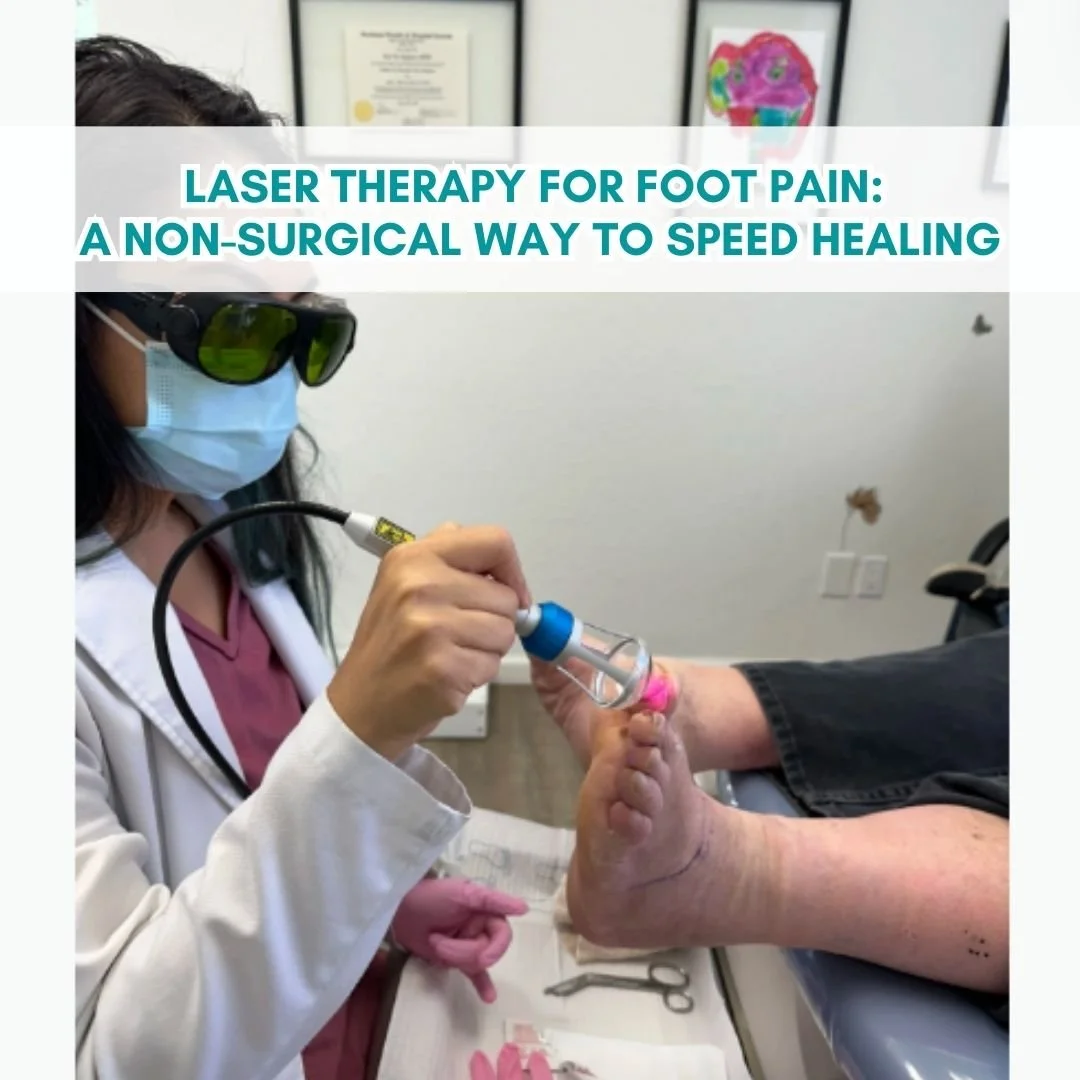
Struggling with chronic heel pain? Shockwave therapy may offer the relief you’ve been looking for. This innovative, non-surgical treatment stimulates the body’s natural healing process and helps restore mobility and comfort—without the need for injections or surgery.
If persistent heel pain is affecting your daily life, understanding how shockwave therapy works could help you explore a powerful option for long-lasting relief.
Understanding Chronic Heel Pain
Chronic heel pain affects millions of people worldwide and can significantly interfere with everyday activities like walking, exercising, or even standing for long periods.
The heel bone—known as the calcaneus—supports much of the body’s weight during movement. Because of this constant stress, the heel is especially vulnerable to injury, inflammation, and overuse conditions.
Some of the most common causes of chronic heel pain include:
Plantar fasciitis
Heel spurs
Achilles tendinitis
Plantar Fasciitis
The most common cause of heel pain is plantar fasciitis, which occurs when the plantar fascia becomes irritated or inflamed.
The plantar fascia is a thick band of tissue that runs along the bottom of the foot, connecting the heel bone to the toes. When it becomes strained, small tears and inflammation can develop.
Typical symptoms include:
Sharp pain in the heel with the first steps in the morning
Pain after long periods of standing
Tenderness on the bottom of the heel
Stiffness in the arch of the foot
Heel Spurs
Heel spurs are bony growths that develop on the underside of the heel bone. They often form as a response to long-term stress or chronic plantar fasciitis.
While heel spurs themselves may not always cause pain, they are often associated with inflammation of surrounding tissues.
Achilles Tendinitis
Another common cause of heel pain is Achilles tendinitis, an overuse injury affecting the Achilles tendon—the structure connecting the calf muscles to the heel bone.
This condition is especially common among runners, athletes, and individuals who suddenly increase their activity level.
What is Shockwave Therapy?
Shockwave therapy is a modern treatment used to address chronic musculoskeletal conditions, including persistent heel pain.
Also called Extracorporeal Shockwave Therapy (ESWT), the procedure uses high-energy acoustic waves to stimulate healing in damaged tissues.
Interestingly, the technology was originally developed to break apart kidney stones. Over time, researchers discovered that these acoustic waves could also trigger powerful healing responses in injured tendons and soft tissues.
Today, shockwave therapy is widely used in:
Orthopedics
Sports medicine
Physical therapy
Podiatry
Because it is non-invasive, it offers patients a treatment option that avoids surgery and long recovery times.
How Shockwave Therapy Works
Shockwave therapy uses a specialized medical device that generates high-energy acoustic waves.
During treatment:
A conductive gel is applied to the heel.
A handheld applicator delivers acoustic waves to the injured area.
The energy penetrates deep into the tissue.
These sound waves create controlled micro-trauma at the cellular level, which stimulates the body’s natural healing response.
This healing response includes:
Increased blood circulation
Activation of tissue repair mechanisms
Release of growth factors
Increased collagen production
Improved Blood Flow
One of the key benefits of shockwave therapy is its ability to improve circulation to injured tissues. Increased blood flow delivers oxygen and nutrients needed for healing.
Collagen Production
Collagen is essential for repairing tendons and connective tissues. Shockwave therapy stimulates the body to produce more collagen, helping strengthen and rebuild damaged structures in the foot.
Tissue Regeneration
By activating the body's repair mechanisms, shockwave therapy promotes regeneration of injured tissues rather than simply masking pain.
Benefits of Shockwave Therapy for Heel Pain
Shockwave therapy offers several advantages for individuals suffering from chronic heel pain.
Non-Surgical Treatment
Unlike surgery, shockwave therapy requires no incisions, stitches, or anesthesia, making it a much less invasive option.
Faster Pain Relief
Many patients report improvement after just one or two treatments, with continued healing over the following weeks.
Treats the Root Cause
Rather than simply reducing symptoms, shockwave therapy works by stimulating the body’s natural healing process.
Minimal Downtime
Patients can usually return to normal activities shortly after treatment, making it a convenient option for busy individuals.
Conditions Treated by Shockwave Therapy
Shockwave therapy can be used to treat several conditions that cause chronic heel pain.
Plantar Fasciitis
Shockwave therapy reduces inflammation and promotes healing in the plantar fascia, making it one of the most effective non-surgical treatments for chronic plantar fasciitis.
Heel Spurs
The therapy may help break down calcified deposits associated with heel spurs while improving healing in surrounding tissues.
Achilles Tendinitis
Shockwave therapy stimulates repair within the Achilles tendon, helping reduce pain and improve mobility—especially in active individuals.
What Happens During a Shockwave Therapy Session?
Shockwave therapy treatments are typically performed in a clinical setting.
Before treatment begins, the healthcare provider will perform an evaluation to determine the underlying cause of the heel pain. This may include:
Medical history review
Physical examination
Imaging studies such as X-rays or ultrasound
During the procedure:
A gel is applied to the treatment area
A handheld device delivers acoustic waves to the heel
The session usually lasts 15 to 30 minutes
Most patients require 3 to 5 sessions, spaced about a week apart.
What to Expect After Treatment
During treatment, patients may feel a series of quick pulses or tapping sensations as the shockwaves are delivered.
Some mild discomfort may occur, but it is generally well tolerated.
After treatment, patients may experience:
Mild soreness
Temporary redness
Slight swelling
These effects typically resolve within a few days. Patients are usually advised to avoid intense physical activity for a short period while healing takes place.
How Effective Is Shockwave Therapy?
Shockwave therapy has shown strong success rates in treating chronic heel pain, particularly for patients who have not responded to traditional treatments.
Clinical research suggests that many patients experience:
Reduced pain
Improved mobility
Better function during daily activities
For individuals struggling with long-standing plantar fasciitis or Achilles tendinitis, shockwave therapy can significantly improve quality of life.
Other Treatments for Chronic Heel Pain
While shockwave therapy is highly effective, it may also be combined with other treatments depending on the condition.
Other options may include:
Rest and activity modification
Stretching and physical therapy
Custom orthotics
Anti-inflammatory medications
Corticosteroid injections
In rare cases where conservative treatments fail, surgery may be considered.
Conclusion and Final Thoughts
Chronic heel pain can make even simple activities difficult, but advanced treatments like shockwave therapy offer hope for long-term relief.
By stimulating tissue repair, improving circulation, and encouraging natural healing, shockwave therapy provides a powerful non-surgical option for treating persistent heel pain.
If you are struggling with ongoing heel pain, consulting with a podiatrist can help determine whether shockwave therapy is the right treatment for you.
Taking the first step toward treatment could help you return to the activities you love—without the constant burden of heel pain.