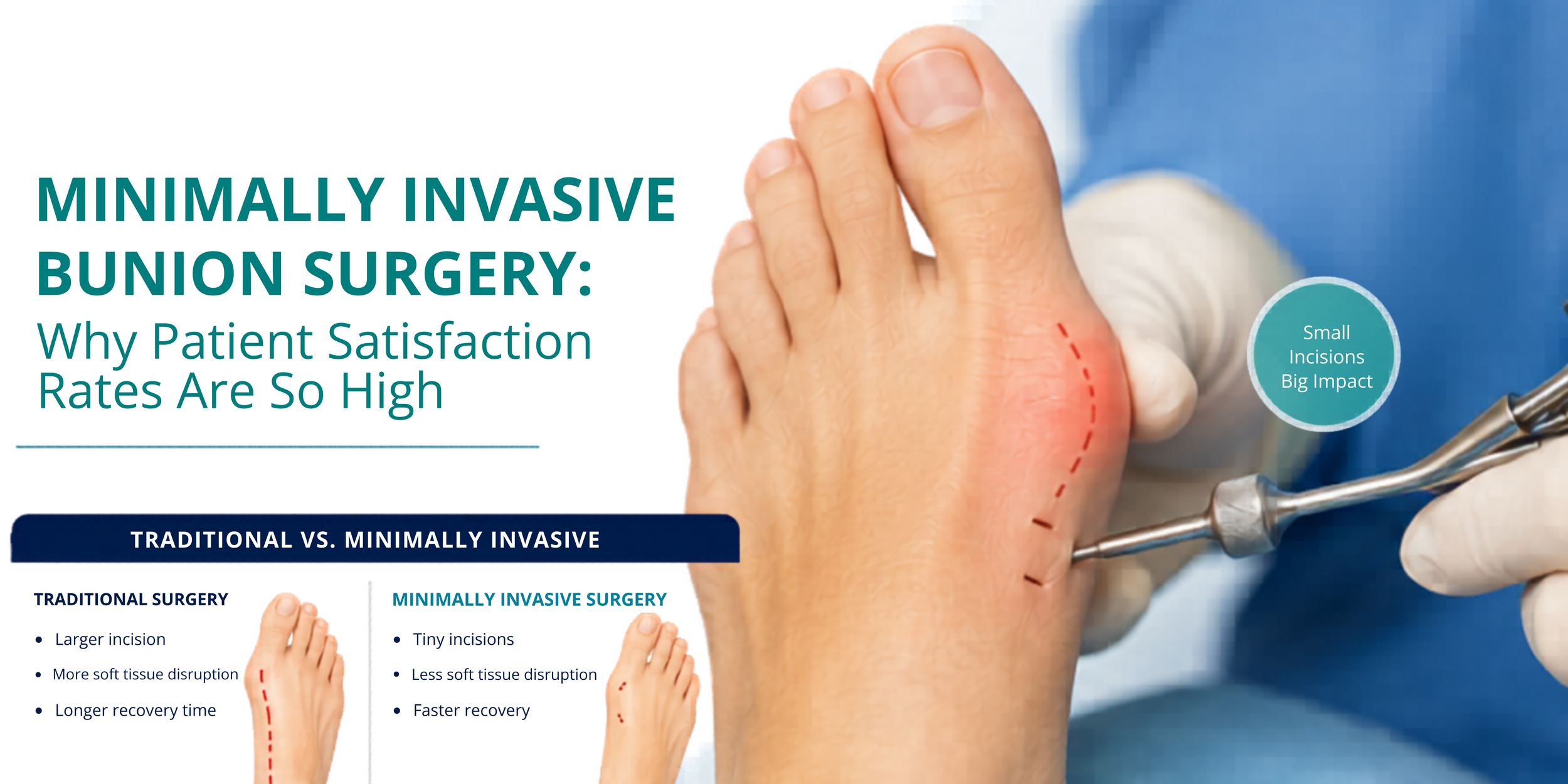
Minimally Invasive Bunion Surgery: Why Patient Satisfaction Rates Are So High
Bunions are one of the most common causes of chronic forefoot pain, yet they are often misunderstood and under-treated until symptoms begin to interfere with daily life. What starts as a small bump near the big toe can gradually progress into a structural deformity that affects walking, shoe wear, activity levels, and overall quality of life.
For many years, bunion surgery was associated with long recovery periods and significant discomfort. Today, advances in surgical technique—particularly minimally invasive bunion surgery—have changed both the experience and outcomes for appropriately selected patients.
One of the most notable trends in modern foot and ankle surgery is consistently high patient satisfaction rates following minimally invasive correction.
This article breaks down why patients report such positive outcomes and what makes this approach different.
Understanding Bunion Surgery
A bunion, medically referred to as hallux valgus, is a progressive deformity in which the big toe gradually drifts toward the second toe. This shift causes the joint at the base of the big toe to become prominent, forming the characteristic bony bump.
Over time, this misalignment affects:
Bone alignment
Joint stability
Soft tissue balance in the foot
Common symptoms include:
Pain at the big toe joint
Swelling and redness
Difficulty wearing shoes
Stiffness in the toe
Progressive worsening of deformity
Bunions are not just a cosmetic issue—they are a structural condition that tends to worsen without appropriate intervention.
What is Minimally Invasive Bunion Surgery?
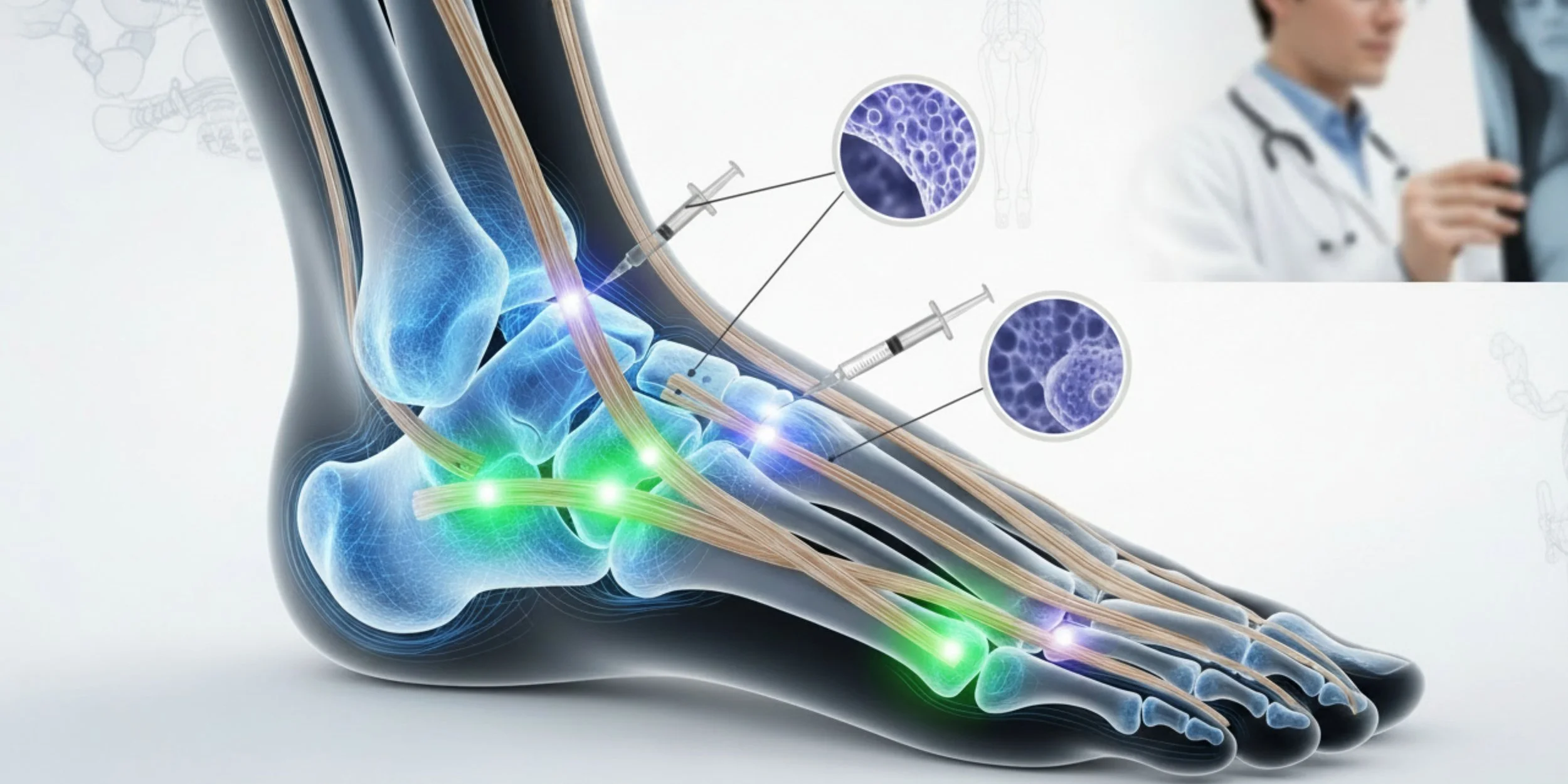
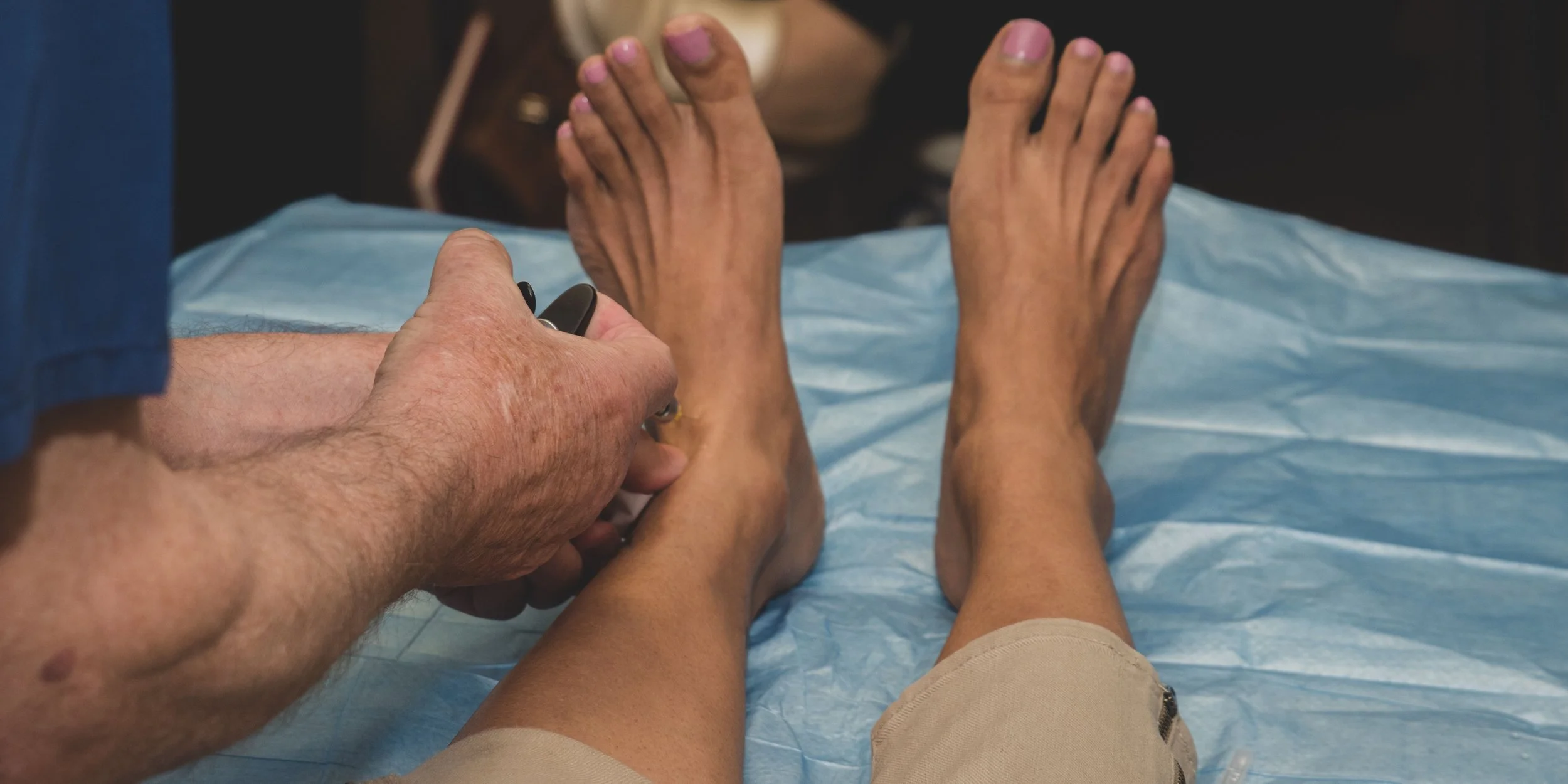
Minimally invasive bunion surgery (MIS) is a modern surgical approach that corrects bunion deformities through very small incisions using specialized instruments.
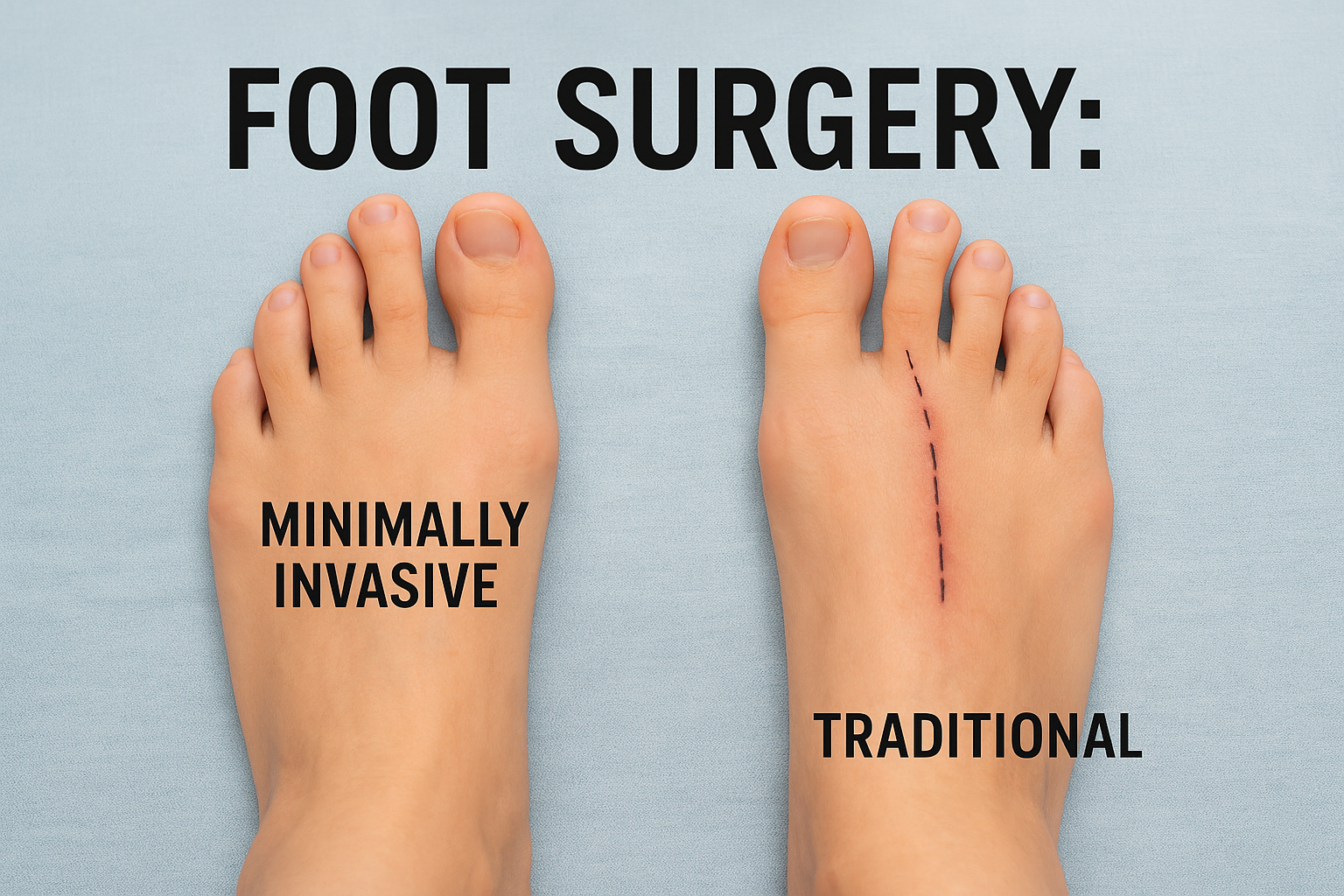
Instead of a single large incision, MIS typically uses multiple tiny entry points, often less than one centimeter in size.
Through these small openings, the surgeon is able to:
Realign the bones of the big toe
Correct joint positioning
Stabilize the foot structure using internal fixation when needed
Imaging guidance may also be used during the procedure to ensure precise correction.
The main goal is the same as traditional surgery: to restore proper alignment and function of the foot, but with less disruption to surrounding soft tissues.
Advantages of Minimally Invasive Techniques
Minimally invasive bunion surgery offers several potential advantages when compared to traditional open procedures:
Smaller incisions
Tiny incisions typically result in less visible scarring and improved cosmetic appearance.
Reduced soft tissue disruption
Less surgical trauma may lead to decreased inflammation and swelling.
Improved early recovery experience
Many patients report less discomfort in the early post-operative period.
Earlier return to activity (case-dependent)
Some patients are able to begin protected weight-bearing sooner, depending on the surgical plan.
Improved patient experience
Less disruption to daily life often contributes to higher overall satisfaction.
It is important to note that outcomes depend on patient selection, severity of deformity, and surgeon experience.
Patient Satisfaction Rates: An Overview
Patient satisfaction after bunion surgery is generally high when outcomes align with expectations and functional improvement is achieved.
In published studies and clinical literature on hallux valgus correction—including minimally invasive techniques—patient satisfaction rates are commonly reported in the high 80s to mid-90s percentage range in appropriately selected patients.
These outcomes are typically associated with:
Reduced pain after surgery
Improved ability to walk and perform daily activities
Better shoe comfort
Correction of deformity
Improved quality of life
Rather than being based on a single factor, satisfaction reflects the overall balance of pain relief, function, and recovery experience.
Factors Contributing to High Satisfaction Rates
Several important factors influence why patients report positive outcomes after minimally invasive bunion surgery:
1. Appropriate patient selection
Not all bunions are ideal for minimally invasive techniques. Proper evaluation is critical.
2. Surgeon experience
These procedures require advanced training and precision to achieve optimal results.
3. Severity of deformity
Mild to moderate deformities often respond differently than severe or complex cases.
4. Post-operative compliance
Following recovery instructions significantly affects healing and outcomes.
5. Realistic expectations
Patients who understand recovery timelines and goals tend to report higher satisfaction.
Comparing Traditional vs. Minimally Invasive Surgery
Both traditional and minimally invasive bunion surgeries aim to correct the same underlying deformity, but they differ in surgical approach and recovery experience.
Factor
Incision size
Tissue disruption
Recovery experience
Scarring
Return to activity
Traditional Surgery
Larger incision
Greater
More intensive
More intensive
Slower
Minimally Invasive Surgery
Very small incisions
Reduced
Often more comfortable
Minimal
Often earlier (case-dependent)
While both approaches can be effective, minimally invasive techniques may offer a different recovery experience for suitable candidates.
Recovery Process and Patient Experiences
Recovery after minimally invasive bunion surgery varies depending on the individual case and procedure performed.
In general, patients may experience:
Early protected walking in many cases
Gradual reduction of swelling over several weeks
Transition back to supportive footwear
Progressive return to normal daily activities
Some patients may also benefit from:
Physical therapy
Range-of-motion exercises
Long-term use of supportive footwear or orthotics
Overall recovery is a gradual process, and improvement often continues for several months as healing progresses.
Who is a Good Candidate for Minimally Invasive Surgery?
A thorough evaluation is required to determine candidacy.
Patients may be considered if they have:
Persistent bunion pain affecting daily activities
Difficulty wearing comfortable shoes
Progressive deformity over time
Limited response to conservative treatment
However, minimally invasive surgery is not appropriate for every case. Factors such as severe deformity, joint arthritis, or complex structural issues may require alternative surgical approaches.
A detailed clinical assessment is essential before determining the best treatment option.
Common Myths and Misconceptions
Myth 1: Bunion surgery is extremely painful
Modern techniques and improved anesthesia protocols have significantly improved the post-operative experience.
Myth 2: Recovery takes many months of bed rest
Many patients begin protected walking earlier than commonly expected, depending on the procedure.
Myth 3: Bunions always return after surgery
Recurrence risk depends on multiple factors, including correction quality, biomechanics, and footwear habits.
Myth 4: Surgery is only cosmetic
Bunion surgery is primarily functional, aimed at improving pain, alignment, and mobility.
Conclusion: The Future of Bunion Surgery
Minimally invasive bunion surgery represents a significant advancement in foot and ankle care. By reducing soft tissue disruption and improving recovery experience, it has become an important option for appropriately selected patients.
Clinical literature and real-world outcomes consistently show high patient satisfaction rates in properly indicated cases, often associated with improved pain relief, function, and quality of life.
As techniques and technology continue to evolve, minimally invasive approaches are expected to play an even larger role in bunion treatment in the future.
For patients, the most important step is early evaluation and a personalized treatment plan based on their specific condition and goals.
Schedule a Consultation
If bunion pain is limiting your life, early evaluation can help you understand your options before the condition worsens.