Running with Foot Pain? Here’s What to Do

Running is one of the most accessible and rewarding forms of exercise, but for many active adults, foot pain becomes an unwelcome companion. What starts as mild soreness can turn into persistent pain that limits training, impacts performance, and even affects daily life.
At Pacific Point Podiatry, led by Dr. Tea Nguyen, we specialize in diagnosing and treating foot pain, gait analysis, and custom orthotics to help active adults recover, prevent injuries, and stay at their best.
Is It Normal to Have Foot Pain While Running?
Mild soreness after a long run or a new workout is common. Your muscles and soft tissues adapt to stress, which can lead to temporary discomfort.
Red flags to watch for include:
Pain lasting more than 2–3 days
Sharp or stabbing pain during activity
Swelling, bruising, or redness
Pain that changes your stride or gait
Recurring injuries in the same location
Persistent pain is not normal. Ignoring it can worsen the condition and lead to secondary injuries in your knees, hips, or back.
Common Causes of Foot Pain in Runners
Understanding the cause of your pain is critical to proper treatment. Common running-related foot injuries include:
1. Plantar Fasciitis
Inflammation of the plantar fascia leads to sharp heel pain, often worse with the first steps in the morning. Risk factors include flat feet, high arches, tight calves, or sudden increases in mileage.
2. Achilles Tendinitis
Pain or stiffness at the back of the heel often results from overuse, tight calf muscles, or poor ankle mechanics. Without proper care, it can progress to tendon degeneration.
3. Stress Fractures
Tiny cracks in the bones of the foot from repetitive impact. Symptoms include localized pain, swelling, and worsening discomfort during activity.
4. Metatarsalgia
Pain in the ball of the foot, common in forefoot strikers or those wearing worn-out shoes, leading to pressure and inflammation.
5. Posterior Tibial Tendon Dysfunction (PTTD)
Common in runners with flat feet, causing arch collapse, ankle pain, and progressive instability if untreated.
Don’t Ignore the Warning Signs
Foot pain is your body signaling that something isn’t right. Ignoring it can prolong recovery and increase your risk of additional injuries.
Immediate steps to take:
Reduce mileage or intensity temporarily
Cross-train with low-impact exercises (cycling, swimming)
Ice and elevate if swelling occurs
Check running shoes for wear or inadequate support
Stretch calves, plantar fascia, and hip muscles
Pain that forces you to alter your gait is especially concerning. Compensations can create strain in your knees, hips, and lower back.
Identify the Root Cause
Most runners focus on where it hurts, but the key question is why it hurts.
At Pacific Point Podiatry, we perform a detailed assessment including:
Foot structure evaluation (flat foot, high arch, alignment)
Joint mobility and flexibility testing
Muscle strength and functional movement
Running and walking gait analysis
Gait analysis identifies subtle mechanical inefficiencies such as excessive pronation, limited ankle mobility, or hip weakness. Addressing the root cause is essential to prevent recurrence.
Treatment Options for Foot Pain
Treatment depends on your diagnosis and severity. Common approaches include:
Activity modification to reduce load
Targeted stretching and strengthening exercises
Footwear evaluation and recommendations
Custom orthotics (if needed)
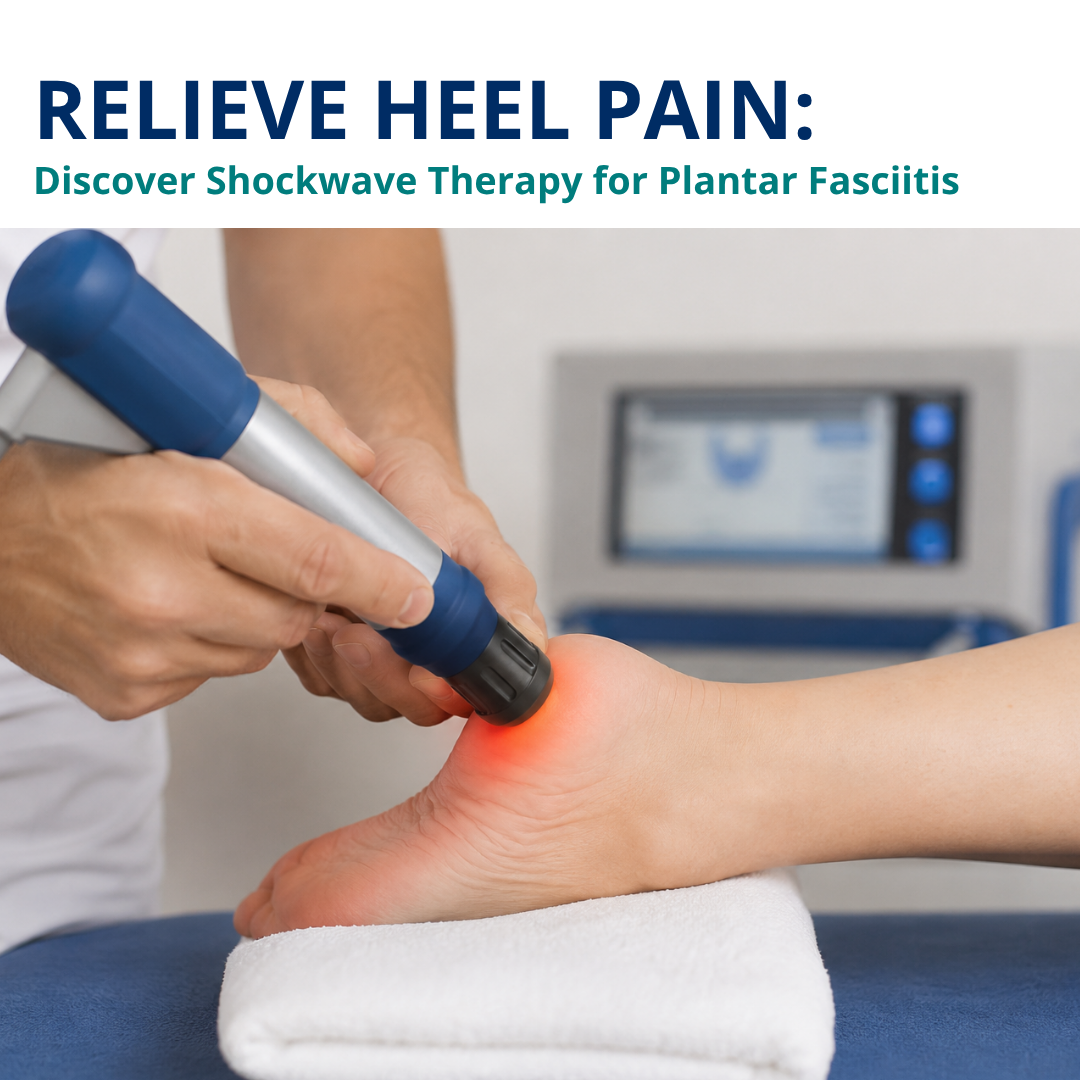
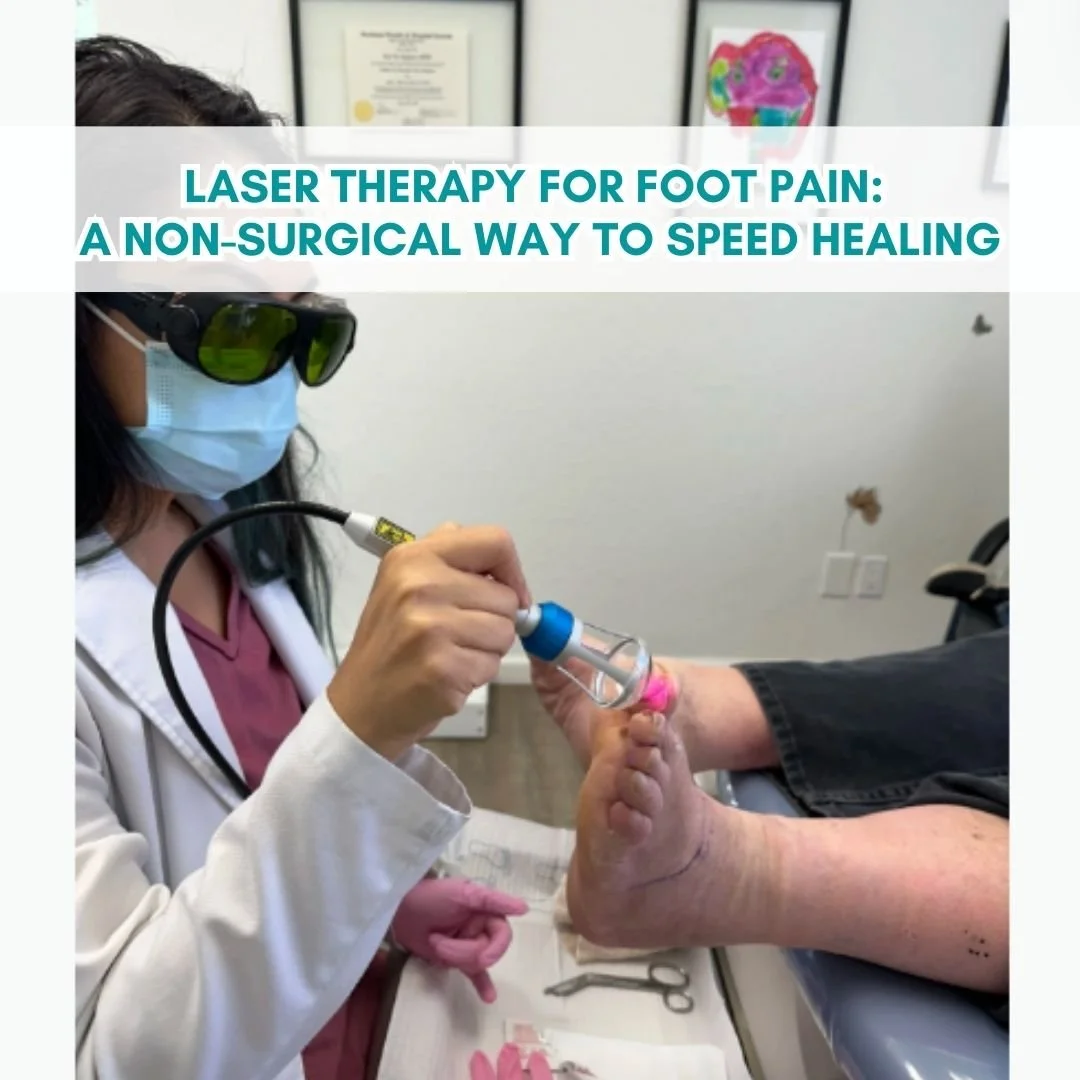
Shockwave or regenerative therapies (for chronic cases)
Temporary bracing or taping
Surgery is rarely the first option for runners and is reserved for injuries that do not respond to conservative care.
Preventative Measures for Runners
Preventing foot pain is far easier than treating chronic injuries. Effective strategies include:
Follow the 10% Rule: Increase mileage gradually, no more than 10% per week
Strength Training: Focus on glutes, calves, core, and intrinsic foot muscles
Rotate Shoes: Different shoe models distribute stress differently
Improve Running Mechanics: Adjust cadence and stride to reduce impact
Address Minor Pain Early: Even mild discomfort can indicate biomechanical inefficiency
The Role of Custom Orthotics in Runners
Custom orthotics are medical-grade inserts designed specifically for your feet and activity level. They:
Improve alignment and foot mechanics
Reduce excessive pronation or supination
Redistribute pressure across the foot
Support arches properly
Absorb shock to prevent tendon and joint stress
Orthotics are particularly helpful for runners with flat feet, high arches, or recurring injuries. Properly prescribed orthotics improve performance, reduce fatigue, and lower injury risk.
When to See a Podiatrist
Schedule an evaluation if you experience:
Pain lasting more than 1–2 weeks
Swelling that doesn’t improve
Recurrent injuries
Pain altering your gait
Pain that worsens despite rest and stretching
Through Direct Care, supported by the Direct Care Society, patients receive longer, focused visits, personalized recommendations, and direct access to Dr. Tea Nguyen—without insurance interference.
Frequently Asked Questions
Can I keep running with mild foot pain?
Mild soreness is usually okay if it improves during warm-up and doesn’t worsen. Persistent or sharp pain requires evaluation.
Do orthotics weaken my feet?
No. Proper orthotics support alignment while you strengthen your muscles.
How long does recovery take?
Depends on the injury. Tendonitis may improve in weeks, stress fractures require longer recovery. Early care reduces downtime.
Is gait analysis only for elite athletes?
No. Recreational runners benefit just as much. Small inefficiencies add up over miles, leading to pain or injury.
Final Thoughts: Don’t Let Foot Pain Sideline You
Foot pain is common among runners and active adults—but it doesn’t have to control your training.
With sports podiatry evaluation, gait analysis, and custom orthotics, you can:
Identify the root cause of pain
Reduce risk of recurrence
Maintain performance
Return to running stronger and more confident
If foot pain is limiting your training, schedule a consultation with Dr. Tea Nguyen at Pacific Point Podiatry. Your feet carry you through every mile—make sure they’re supported the right way.