Toenail Fungus: Early Signs, Effective Treatments, and Prevention
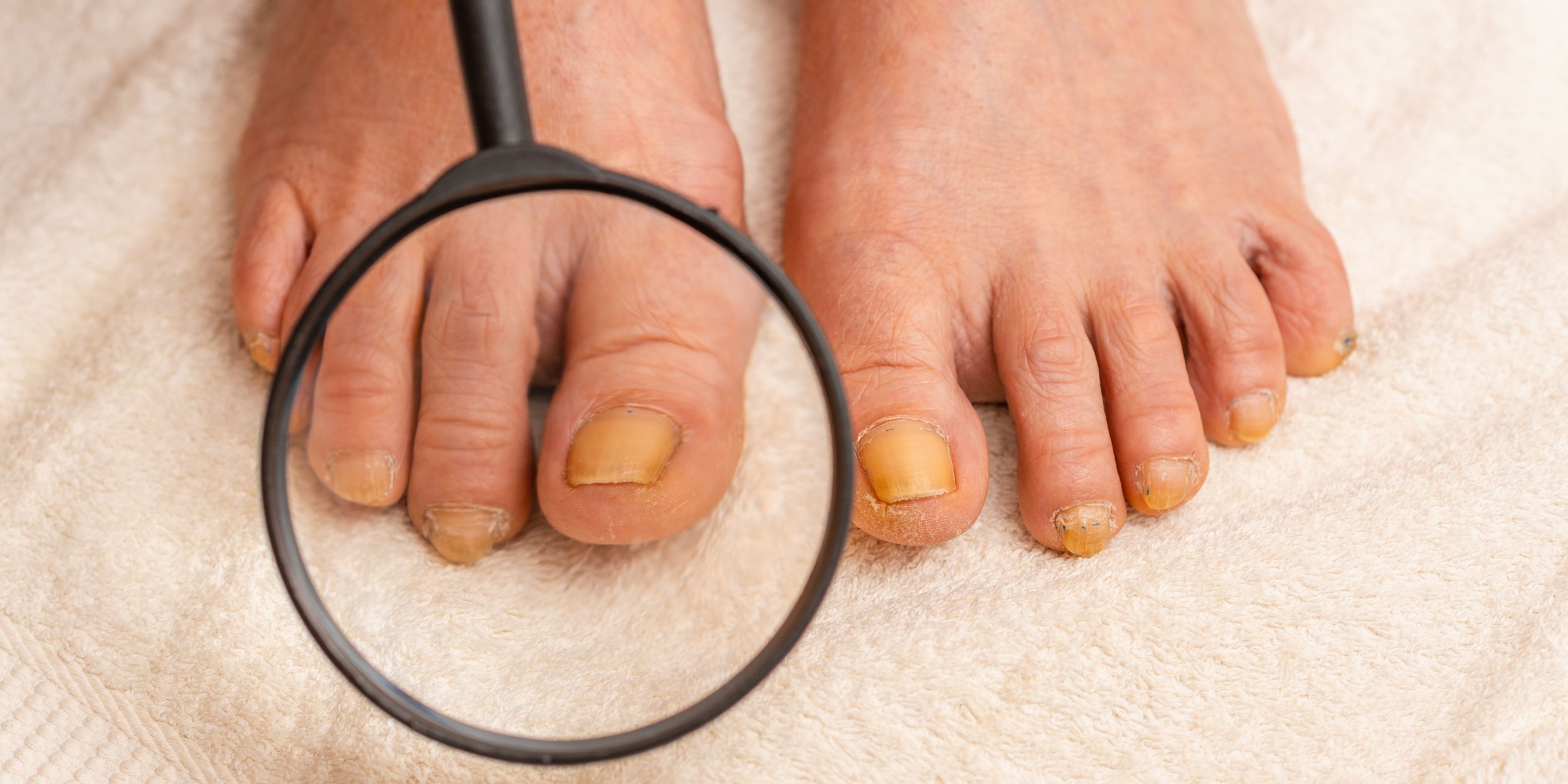
Toenail fungus is more common than most people realize—and it’s not just a cosmetic concern. What may begin as a small white or yellow spot can quietly develop into thick, brittle, and discolored nails. Left untreated, it can spread to other nails or even the skin, causing discomfort, embarrassment, and long-term nail damage.
The good news? Early detection, professional antifungal care, and advanced treatments like laser therapy can help stop fungal infections in their tracks and reduce the risk of recurrence. This guide will help you understand toenail fungus, recognize early signs, explore effective treatment options, and learn strategies to prevent it from coming back.
Understanding Toenail Fungus: An Overview
Toenail fungus, medically called onychomycosis, is a fungal infection affecting the nail plate, nail bed, or both. It develops when fungi enter tiny cracks in the nail or surrounding skin and grow beneath the nail surface.
Causes of Toenail Fungus
Fungi thrive in warm, dark, and moist environments. Shoes, socks, and shared public spaces—like gyms or pool areas—can create the perfect conditions for fungal growth.
Common organisms include:
Dermatophytes (most common)
Yeasts
Molds
Fungi often enter through minor trauma, nail injuries, or exposure to contaminated surfaces. Once under the nail, they are difficult to eliminate without professional care.
Why Toenail Fungus Is More Than Cosmetic
While some people view toenail fungus as a minor aesthetic issue, it can have serious consequences if left untreated:
Pain or discomfort while walking or wearing shoes
Thickened, brittle nails that can crack or split
Secondary bacterial infections
Spread to other nails or skin
Increased risk of complications for patients with diabetes or poor circulation
Additionally, toenail fungus can affect confidence and quality of life, making patients reluctant to wear open-toed shoes or seek help. Early treatment is key to preventing progression and long-term issues.
Early Signs of Toenail Fungus
Detecting toenail fungus early makes treatment easier and more effective. Look out for the following symptoms:
Early Symptoms
White or yellow spots or streaks under the nail
Dull or cloudy appearance
Slight thickening at the nail edge
Advanced Symptoms
Thick, brittle, or crumbly nails
Yellow-brown or gray discoloration
Nail lifting from the nail bed
Irregular nail shape
Debris buildup under the nail
Mild odor or discomfort
⚠️ Important: Nail trauma, psoriasis, or other nail conditions can mimic fungal infections. A podiatrist can confirm the diagnosis and ensure correct treatment.
Risk Factors for Toenail Fungus
Certain factors make toenail fungus more likely:
Wearing closed shoes for extended periods
Excessive sweating
Nail trauma or injury
Slower nail growth with aging
Diabetes or poor circulation
Weak immune system
Previous fungal infections or athlete’s foot
Patients with diabetes or neuropathy should be especially vigilant, as fungal infections can increase the risk of serious complications.
Why Over-the-Counter Treatments Often Fail
Many patients try antifungal creams, lacquers, or home remedies first. While these may help very mild cases, they often fail because:
Fungus lives under the nail, not just on the surface
Thick nails block medication penetration
Treatment is applied inconsistently or stopped too early
The infection has already progressed
Professional care is often required for lasting results.
Effective Toenail Fungus Treatment Options
Professional Antifungal Care
Medical-grade antifungal treatments are stronger and more targeted than over-the-counter products. Professional care may include:
Nail debridement (thinning thick nails)
Prescription topical antifungals
Education on foot and nail hygiene
Monitoring nail regrowth
By thinning the nail and using effective medication, treatment penetrates deeper, improving outcomes and reducing recurrence risk.
ToeFX Light Photodynamic Therapy
ToeFX uses advanced LED light technology to kill fungus directly at the source, without pills, pain, or side effects.
Key Benefits:
Quick 30-minute sessions
No downtime—walk out and resume your day
Safe for patients who cannot take oral antifungals
Visible improvement in weeks, not months
ToeFX is a non-invasive, drug-free solution that works deep under the nail to stop fungal growth while supporting healthy nail regrowth.
Class IV Remy Laser Therapy
Class IV Remy Laser Therapy penetrates deeply to eliminate fungus and stimulate natural nail regrowth.
Benefits:
Targets fungus beneath thick nails
Non-invasive and precise
Supports healthy nail restoration
Often combined with antifungal care for maximum results
Laser therapy is ideal for persistent or advanced toenail fungus and can accelerate visible improvement.
Functional Medicine Approach
Toenail fungus often reflects underlying health factors. A functional medicine approach addresses the root causes of infection, including:
Nutrition and dietary support
Immune system optimization
Lifestyle factors that contribute to recurrence
By combining advanced technology with holistic care, patients achieve long-term nail health and reduced risk of reinfection.
Why Toenail Fungus Recurs and How to Prevent It
Even after successful treatment, toenail fungus can return. Understanding why it recurs and taking proactive steps is essential.
Why Toenail Fungus Recurs
Fungal spores linger in the environment
Shoes, socks, nail tools, and bathroom floors can harbor spores, leading to reinfection.Incomplete eradication
Fungus hiding under thick nails or deep in the nail bed may survive initial treatments.Underlying health conditions
Diabetes, poor circulation, immune weakness, or nail trauma can make nails more susceptible.Lifestyle factors
Wearing the same shoes daily, walking barefoot in public spaces, or using contaminated tools can all contribute.
How to Prevent Toenail Fungus Recurrence
Foot and Nail Hygiene
Keep nails trimmed straight across
Wash and dry feet thoroughly, especially between toes
Proper Shoe Care
Rotate shoes to allow drying
Use antifungal sprays or powders
Avoid wearing damp or tight shoes for long periods
Socks and Moisture Management
Wear moisture-wicking socks
Change socks when feet become sweaty
Safe Public Practices
Wear sandals or flip-flops in gyms, locker rooms, and public showers
Avoid sharing nail clippers, files, or shoes
Maintenance Treatments
Periodic podiatry visits to monitor nails
Occasional antifungal topical applications may help prevent recurrence
Address Underlying Health Factors
Support immune health with a balanced diet and lifestyle
Manage diabetes or circulation issues under guidance from your healthcare provider
💡 Tip: Even the most advanced treatments, like ToeFX or Class IV Remy Laser Therapy, are more effective when combined with consistent preventive care.
When to See a Podiatrist
Seek professional evaluation if:
Nail changes persist or worsen
Over-the-counter treatments fail
Nails become thick or painful
You have diabetes or circulation issues
You’re unsure whether it’s a fungal infection
A podiatrist can confirm the diagnosis, recommend the best treatment plan, and help prevent long-term nail damage or recurrence.
Take the First Step Toward Healthier Nails
Toenail fungus doesn’t have to be a lifelong problem. With early detection, professional antifungal care, and advanced options like ToeFX and laser therapy, healthy nails are achievable—even if you’ve struggled for years.
Combining treatment with a functional medicine approach ensures long-term success by addressing not just the infection but the underlying factors that contribute to recurrence.
If you’ve noticed nail changes, thickening, discoloration, or brittleness—or have tried treatments that haven’t worked—schedule a consultation today. Professional evaluation and advanced treatment options can help you regain healthy nails, comfort, and confidence.