Circulation Problems in the Feet: A Podiatric Perspective
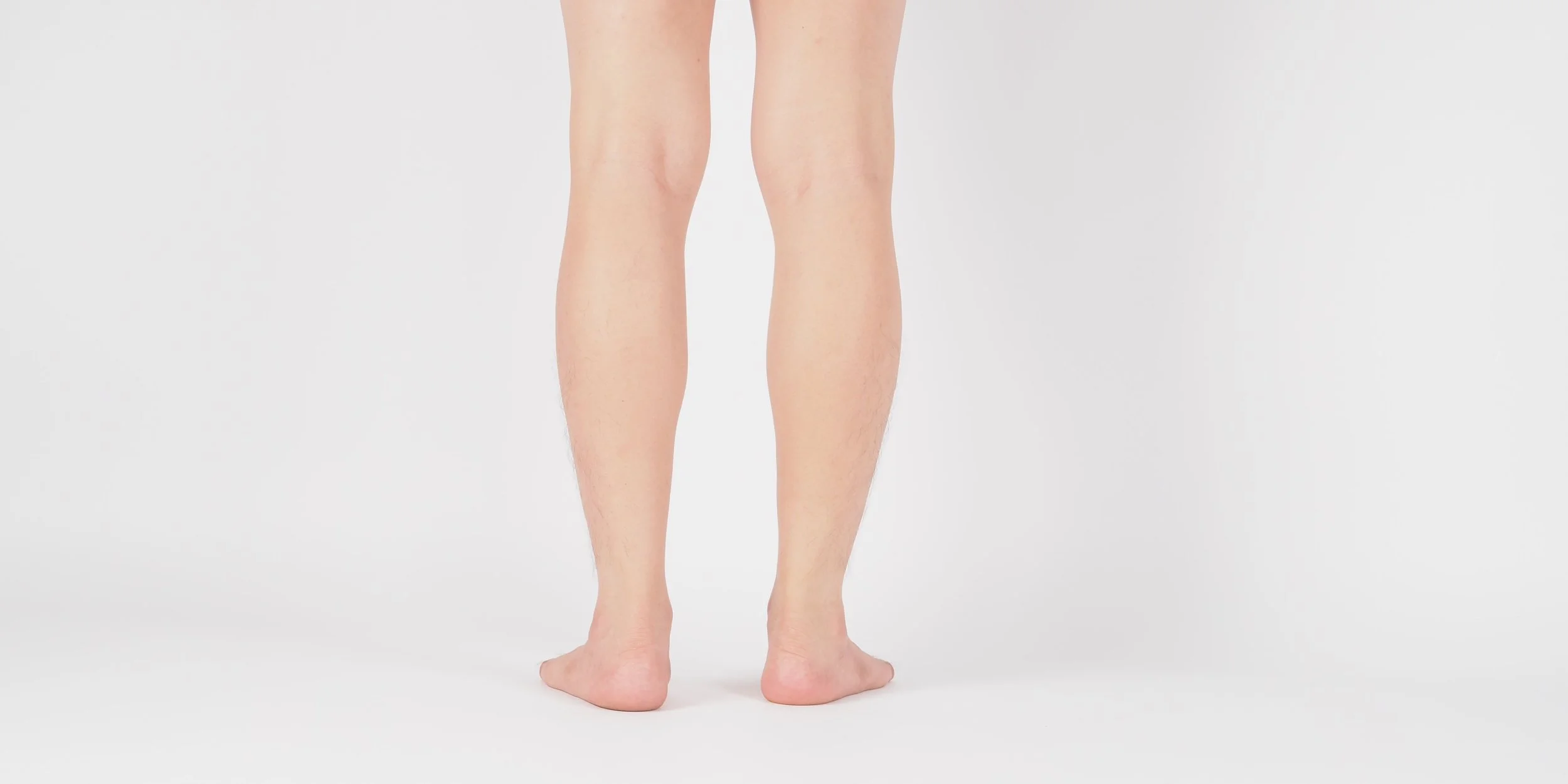
Peripheral circulation issues in the feet are more than just an occasional nuisance — they can ripple into pain, slow healing, infections, and, without timely care, serious complications. At Pacific Point Podiatry, we take a patient-first approach to understanding, diagnosing, and treating circulation concerns so you can live with healthier, more comfortable feet every day.
In this article, we’ll walk you through what peripheral circulation is, why it matters, common causes and symptoms, how podiatrists diagnose problems, treatment options, prevention strategies, and when to seek professional help. By the end, you’ll have a thorough foundation to take better care of your feet — because we believe knowledge is one of your best defenses.
What Is Peripheral Circulation — And Why It Matters
Peripheral circulation refers to how blood flows through the smaller vessels — arteries, veins, and capillaries — outside your heart and lungs, particularly to your arms and legs. In the feet, optimal circulation delivers oxygen and nutrients that keep tissue healthy, fuels healing, regulates temperature, and helps your immune system fight infections.
When this system isn’t working well, the feet can be among the first places to show the effects. Because they are farthest from the heart and must work against gravity, even small changes in blood flow can cause noticeable symptoms. Over time, reduced circulation can lead to more serious problems — especially in people with chronic health conditions.
At Pacific Point Podiatry, we often say that by the time pain appears, damage has already begun — which is why early detection and intervention are paramount.
Understanding the Role of Circulation in Foot Health
Healthy blood flow is like a supply chain for your feet:
Delivers oxygen and nutrients to tissues
Removes waste products and toxins
Supports immune function to fight infection
Facilitates healing after injury or surgery
Maintains skin elasticity and nerve health
When this system is disrupted, even small injuries can escalate. Minor wounds might take weeks or months to heal. Infections can develop more easily, and sensation can be altered — meaning you may not even feel injuries until they’re advanced. People with diabetes, neuropathy, or vascular disease are especially vulnerable, but circulation problems can affect anyone.
What Causes Poor Circulation in the Feet?
Circulation issues can develop for many reasons — from aging to chronic disease to lifestyle habits. Often, multiple factors overlap.
Peripheral Artery Disease (PAD)
PAD is one of the most common causes of impaired circulation. It happens when the arteries narrow due to plaque buildup (atherosclerosis), reducing blood flow to the limbs. This can lead to discomfort, muscle fatigue, and slow-healing wounds — especially during or after walking.
Diabetes and Diabetic Neuropathy
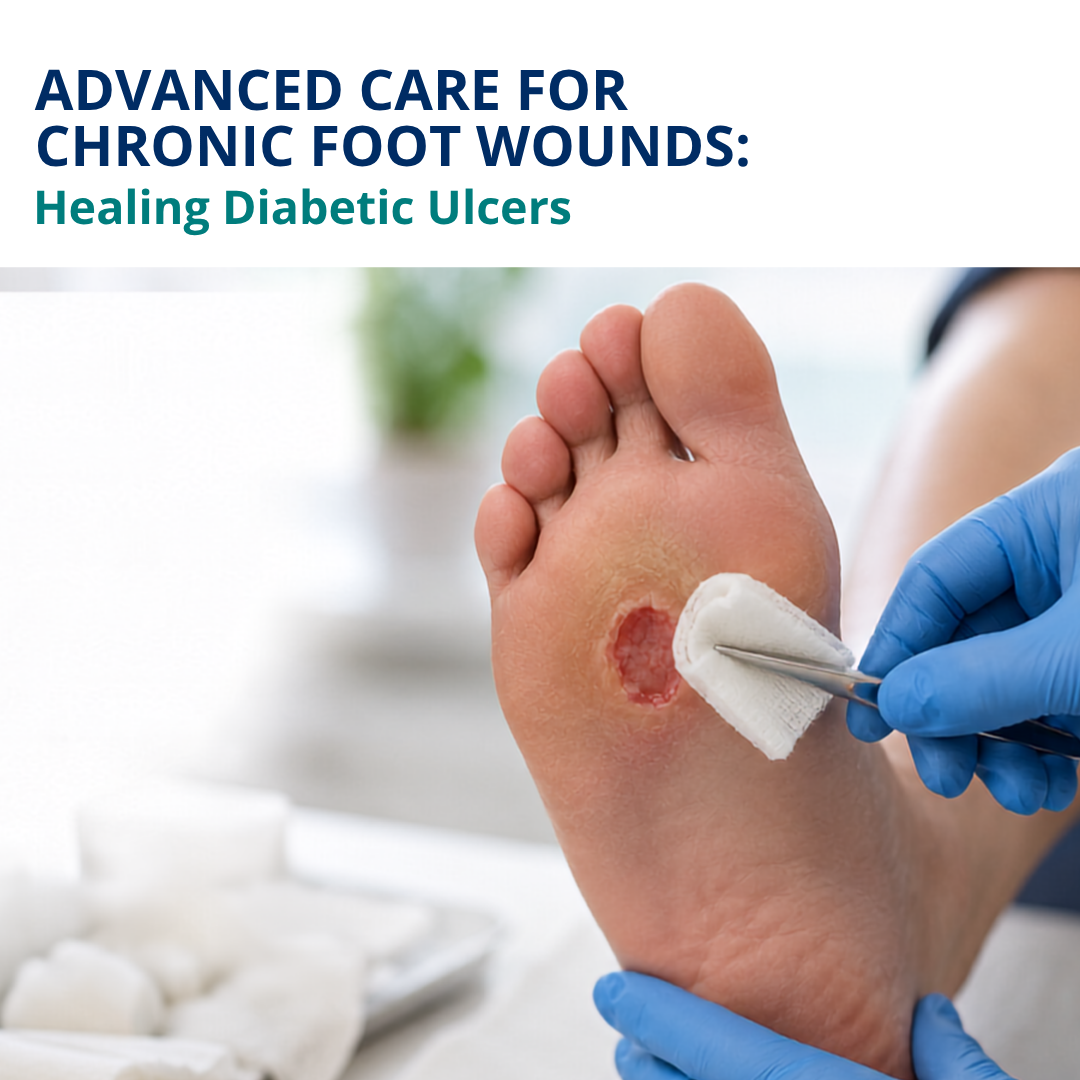
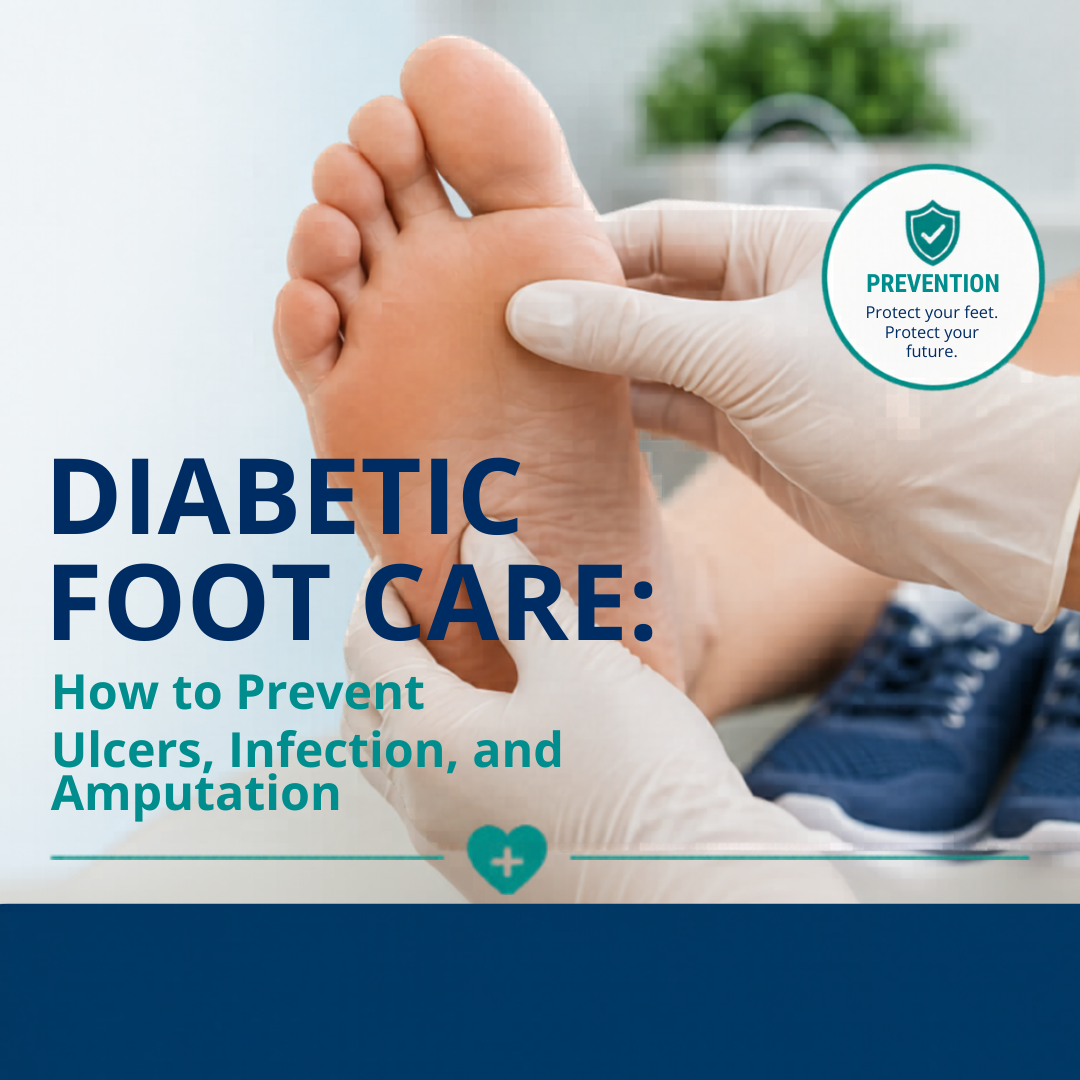
High blood sugar over time damages both blood vessels and nerves. This means the feet may not only receive less blood flow — they may also not feel pain from injury. Diabetic patients are at higher risk of developing ulcers and infections that can become serious if not managed properly.
Lifestyle Contributors
Smoking: Nicotine constricts blood vessels, reducing overall blood flow.
Lack of physical activity: Regular movement stimulates circulation.
Obesity: Places extra stress on the vascular system.
High blood pressure or cholesterol: Damages vessel walls and accelerates plaque buildup.
Other Factors
Aging: Blood vessels naturally lose elasticity and efficiency over time.
Heart disease: Compromises overall circulation.
Certain medications: Some can affect blood pressure and flow.
Prolonged sitting or standing: Slows blood movement in the legs and feet.
Recognizing Symptoms: What to Watch For
Circulation problems often start subtly and worsen gradually. Early awareness gives you a big advantage.
Typical Early Signs
Cold feet, even when the rest of your body feels warm
Tingling or numbness in your toes or soles
Cramping or fatigue in legs with activity (often called intermittent claudication)
Discolored skin — pale, bluish, or reddish hues
Thin, shiny skin or loss of hair on feet
Nails becoming brittle or thickened
Serious Indicators
Non-healing wounds or ulcers
Persistent swelling (edema) of feet or ankles
Infections that spread quickly
Pain at rest or persistent discomfort despite rest
These symptoms are signals — not just discomfort. They deserve attention. The sooner circulation problems are evaluated, the more effective treatment tends to be.
How Podiatrists Diagnose Circulation Issues
At Pacific Point Podiatry, one of our first goals is to identify whether circulation is part of your foot concerns. We combine careful physical examination with state-of-the-art diagnostics.
Comprehensive Physical Exam
We check:
Skin color and texture
Foot temperature
Capillary refill (how quickly color returns after pressure)
Pulse strength in the feet
Nerve sensation
Ankle-Brachial Index (ABI)
This simple, non-invasive test compares blood pressure in the ankle to the arm. Lower readings in the ankle suggest reduced arterial flow. It’s one of the most reliable early indicators of PAD.
Doppler Ultrasound
This imaging technique uses sound waves to visualize blood flow and detect blockages or narrowing in the arteries. It’s especially helpful in planning treatment.
Advanced Imaging (When Necessary)
In more complex cases, we may recommend:
Magnetic Resonance Angiography (MRA)
Computed Tomography Angiography (CTA)
These provide detailed views of the blood vessels and help guide surgical planning when indicated.
Treatment Options: From Conservative Care to Intervention
Treatment is tailored to the person — not just the condition. That’s a core philosophy here at Pacific Point Podiatry: personalized plans built around your unique needs, lifestyle, and goals.
Lifestyle Modifications
Quit smoking: Smoking cessation dramatically improves blood flow and long-term vascular health.
Regular physical activity: Even simple walking boosts circulation.
Balanced diet: Foods rich in antioxidants, fiber, and healthy fats support vascular health.
Manage chronic diseases: Tight blood sugar, blood pressure, and cholesterol control makes a huge difference.
Medications
Depending on your situation, medications may help:
Antiplatelet agents (like aspirin) to reduce clot risk
Drugs to widen blood vessels and improve circulation
Medications to manage diabetes, hypertension, and cholesterol
These are prescribed based on your overall health profile.
Physical Therapy & Home Care
Exercises specifically designed to strengthen leg muscles and promote blood flow can be highly effective. We also teach patients supportive routines to do at home.
Advanced Therapies
For more severe blockage or non-responsive cases:
Angioplasty: A minimally invasive procedure that opens narrowed vessels.
Bypass surgery: Redirects blood flow around blockages using a healthy vessel graft.
These procedures are specialized and typically coordinated by a vascular surgeon, with close podiatric support.
Prevention: Steps You Can Take Today
Circulation issues don’t have to be inevitable — many can be prevented or managed early with mindful habits.
Move Throughout the Day
Avoid prolonged sitting or standing. Take short walks every hour if possible.
Wear Supportive Footwear
Proper shoes promote healthy biomechanics, reduce pressure points, and encourage natural circulation.
Daily Foot Checks
Inspect your feet for cuts, redness, swelling, temperature changes, or other abnormalities.
Maintain a Heart-Healthy Diet
Foods like leafy greens, berries, nuts, fatty fish, whole grains, and lean proteins nourish your vascular system.
Stay Hydrated
Hydration supports overall blood volume and flow.
Manage Stress
Chronic stress can raise blood pressure and contribute to circulatory strain. Techniques like deep breathing, yoga, or meditation can help.
Regular Podiatric Checkups
Even if your feet feel fine, annual podiatric evaluations can detect early warning signs before they become expensive, painful problems.
Lifestyle Changes That Make Real Differences
Here are habits that truly help circulation:
Quit Smoking for Good
Smoking causes blood vessels to constrict and accelerates plaque buildup — quitting improves circulation quickly and dramatically.
Incorporate Movement You Enjoy
Walking, cycling, swimming — choose activities you’ll stick with. Even 30 minutes most days can boost vascular health.
Optimize Sleep & Stress Management
Poor sleep and chronic stress can disrupt hormonal balance and circulation. Prioritize rest as part of your foot health strategy.
Healthy Weight Support
Reducing excess weight lowers vascular strain and supports overall metabolic health.
When to See a Podiatrist
If you notice any of the following, it’s time for a professional evaluation:
Persistent pain or cramping
Non-healing wounds
Changes in skin color or temperature
Numbness, tingling, or loss of sensation
New swelling or discomfort during activity
These symptoms are not normal — and they deserve attention. Early evaluation can prevent complications and preserve your mobility.
The Podiatric Advantage: Why Foot Specialists Matter
Podiatrists are uniquely trained to assess the feet and lower limbs comprehensively. We evaluate not just symptoms — we investigate why they are happening. At Pacific Point Podiatry, our approach combines advanced diagnostics with personalized, evidence-based care to help you maintain healthy, pain-free feet.
And because we operate outside traditional insurance constraints, we offer:
More time with you during visits
Clear explanations without medical jargon
Tailored treatment plans that match your goals
Proactive care that prevents serious complications
Our focus is your health — and helping you walk with confidence, comfort, and strength.
Final Thoughts: Your Feet Deserve Priority
Poor peripheral circulation in the feet is not something you should ignore. Whether you’re early in the process or you’ve noticed troubling signs, knowledge + action is the key:
✔ Learn the signs
✔ Address risk factors
✔ Get evaluated early
✔ Follow a personalized care plan
Healthy circulation supports more than just comfort — it protects your mobility, quality of life, and independence. At Pacific Point Podiatry, we’re here to guide you through every step of your foot-health journey with compassionate, patient-focused care you can trust.