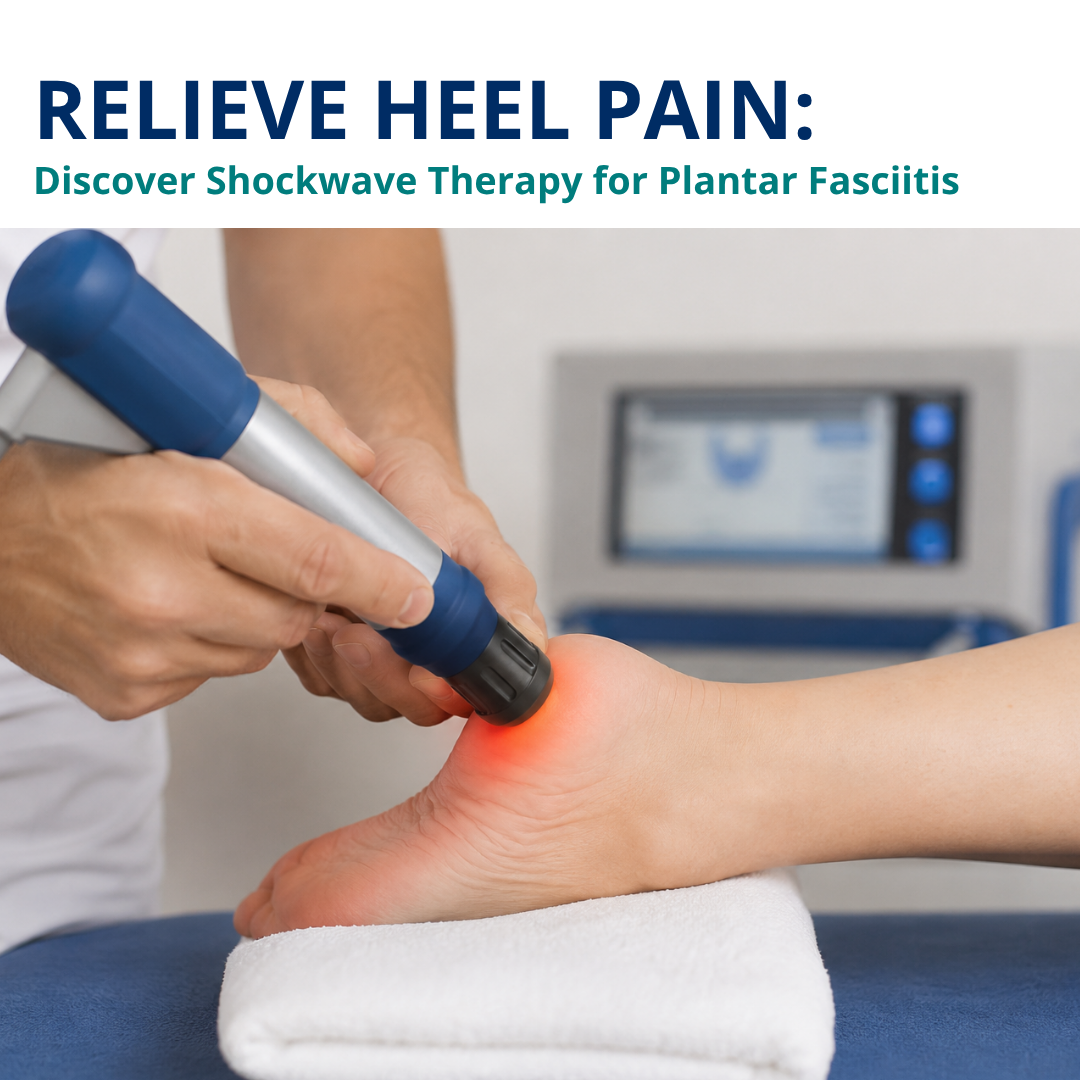
Year-End Foot Check: Why Foot Exams Matter
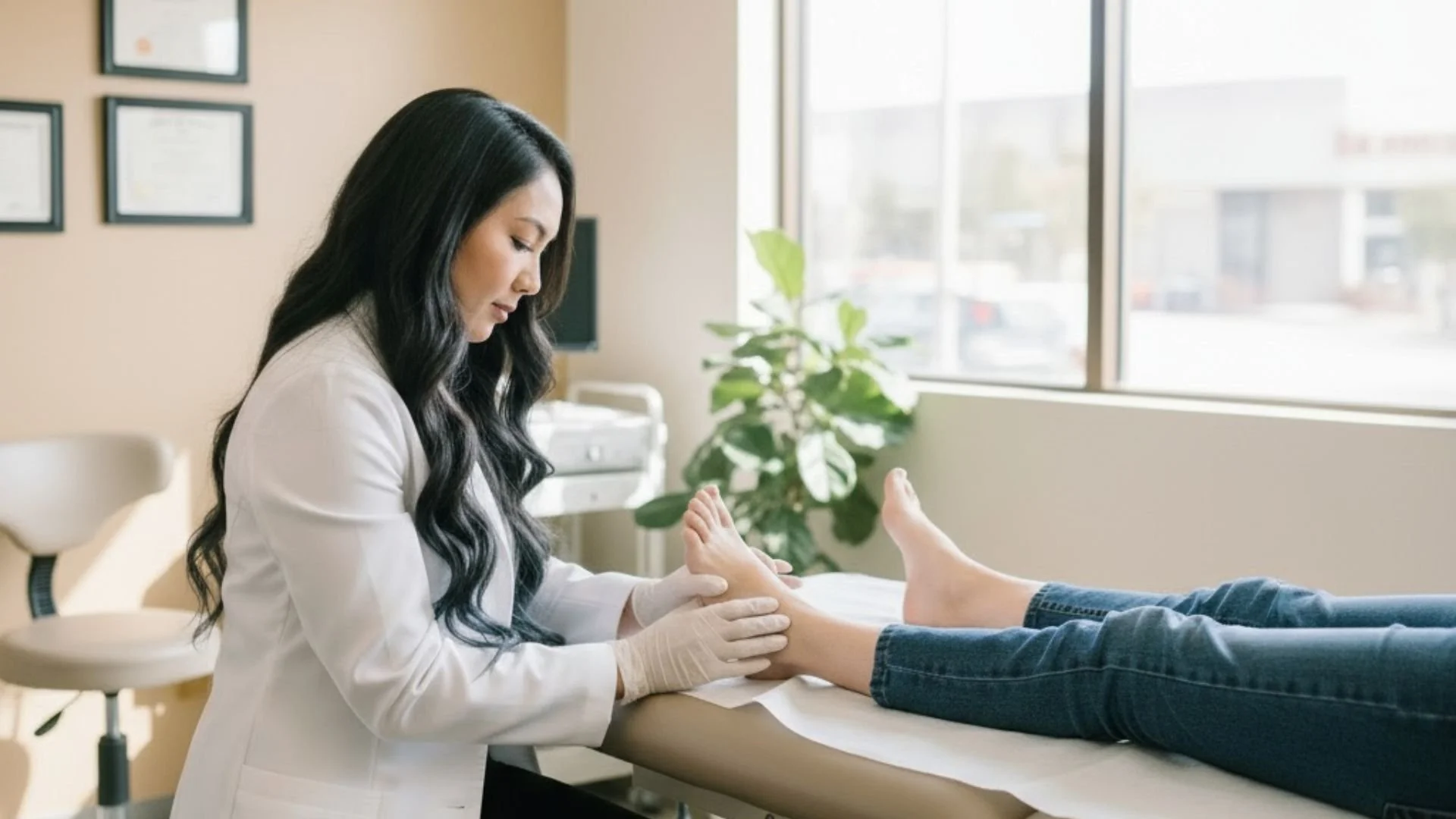
As the year wraps up, don’t overlook your feet. A comprehensive foot exam can uncover hidden issues, prevent future pain, and help you step confidently into the new year.
Understanding the Importance of Foot Health
Your feet are the foundation of your body, supporting you through every step of daily life. Yet, they’re often one of the most neglected parts of our health routine. Foot health goes far beyond comfort or appearance—it plays a critical role in overall mobility, posture, and long-term well-being.
When foot problems are ignored, they can trigger a chain reaction throughout the body. Poor foot alignment or chronic pain can affect the knees, hips, and lower back, leading to reduced activity levels. Over time, this can contribute to weight gain, cardiovascular issues, and worsening chronic conditions such as diabetes.
Foot pain also impacts mental and emotional health. Ongoing discomfort and limited mobility can lead to frustration, stress, and decreased quality of life. Caring for your feet is an essential part of caring for your whole self.
Common Foot Problems and Their Impact
Foot issues are more common than many people realize. Conditions such as bunions, plantar fasciitis, heel spurs, and ingrown toenails can significantly interfere with daily activities.
Bunions cause joint misalignment, swelling, and pain that can make walking and wearing shoes uncomfortable.
Plantar fasciitis leads to sharp heel pain, especially after rest or first thing in the morning.
Heel spurs often accompany plantar fasciitis and contribute to chronic heel discomfort.
Ingrown toenails can become painful and infected if left untreated, sometimes requiring medical intervention.
Addressing these problems early can prevent progression and reduce the need for more invasive treatments.
The Role of Year-End Foot Exams
A year-end foot exam is an excellent way to close out the year with proactive care. These exams allow podiatrists to identify developing issues before they become serious and more difficult to treat.
During a comprehensive exam, a podiatrist evaluates not only visible concerns but also subtle changes in skin, nails, circulation, and nerve function. Many foot conditions develop quietly, without obvious symptoms, making routine exams especially valuable.
Year-end exams are particularly important for individuals with diabetes, arthritis, or cardiovascular disease, as these conditions increase the risk of foot complications. Regular monitoring helps protect long-term foot health and mobility.
What to Expect During a Foot Exam
A foot exam typically begins with a review of your medical history, lifestyle, footwear habits, and any symptoms you may be experiencing. This helps the podiatrist tailor the evaluation to your specific needs.
The physical exam includes a detailed inspection of the feet, checking for swelling, skin changes, nail abnormalities, and areas of tenderness. The podiatrist may assess circulation, nerve sensation, range of motion, muscle strength, and gait.
If needed, diagnostic imaging such as X-rays or ultrasound may be recommended. After the exam, your podiatrist will discuss findings and create a personalized care plan, which may include treatment, orthotics, preventive care, or lifestyle recommendations.
How to Prepare for Your Foot Check
Preparing for your appointment is simple:
Make a note of any foot symptoms, even if they seem minor
Wear comfortable, easy-to-remove shoes
Bring orthotics or frequently worn shoes for evaluation
Have a list of medications and relevant medical history
Cleaning your feet beforehand is helpful, and being open about concerns ensures a thorough and productive visit.
Benefits of Regular Foot Exams
Routine foot exams offer far-reaching benefits beyond immediate relief. They help prevent complications from chronic conditions, identify issues early, and preserve mobility.
For patients with diabetes, regular exams are critical for preventing ulcers and infections. For others, early detection can stop minor concerns from becoming chronic pain or structural problems.
Foot exams also provide an opportunity for personalized education—proper footwear, hygiene, exercises, and lifestyle adjustments that support long-term foot health.
Foot Care Tips for All Ages
Foot care matters at every stage of life.
Children: Properly fitting shoes and regular foot checks support healthy development.
Adults: Daily hygiene, proper nail care, supportive footwear, and replacing worn shoes help prevent common issues.
Seniors: Daily inspections, moisturizing, fall-prevention footwear, and regular podiatry visits are essential as skin, circulation, and joint health change with age.
When to Schedule Your Next Foot Exam
Most people benefit from a comprehensive foot exam at least once a year. Those with diabetes, arthritis, nerve issues, or circulation problems may need more frequent visits.
You should also schedule an exam if you notice new pain, numbness, swelling, skin changes, or nail concerns. Early care often leads to simpler, more effective treatment.
Finding the Right Podiatrist for Your Needs
Choosing the right podiatrist makes all the difference. Look for a board-certified provider who listens, explains clearly, and offers personalized care.
Consider convenience, availability, and whether the practice aligns with your healthcare values—especially if you’re seeking preventive, conservative, or direct-care options that prioritize time and individualized attention.
Conclusion: Prioritizing Your Foot Health
As the year comes to a close, a foot exam is one of the simplest yet most impactful steps you can take for your health. Your feet support your independence, activity, and quality of life—protecting them protects everything else.
By staying proactive, addressing issues early, and partnering with a trusted podiatrist, you set yourself up for a healthier, more comfortable year ahead.
Make your feet a priority. A year-end foot check today can mean better movement, less pain, and greater freedom tomorrow.