When Self-Care Isn’t Enough: Professional Foot Care Matters

Foot self-care is an important part of maintaining comfort, mobility, and overall health. For many people, routine care at home works well—until it doesn’t. As life circumstances, health conditions, or physical abilities change, foot care can become more challenging and sometimes unsafe.
Understanding why self-care becomes difficult and knowing when to seek professional support can help prevent pain, infection, and loss of mobility.
Why Foot Self-Care Becomes Difficult
Proper foot care requires flexibility, balance, good vision, and coordination. Many patients experience challenges due to:
Limited mobility or difficulty bending and reaching the feet
Arthritis, back pain, or joint stiffness
Poor eyesight or trouble seeing nail edges and skin changes
Balance issues that increase fall risk
Thickened, curved, or fungal toenails
Chronic conditions such as diabetes, neuropathy, or poor circulation
These factors can turn simple tasks like nail trimming or callus care into uncomfortable or risky activities.
The Hidden Risks of DIY Foot Care
When self-care becomes difficult, many people continue to manage their feet on their own—often without realizing the potential risks. Common issues include:
Accidental cuts or skin injuries
Ingrown or severely curved toenails
Infections from improper trimming or unsterile tools
Worsening calluses or corns
Missed early signs of skin breakdown, wounds, or infection
For patients with diabetes or circulation problems, even a minor injury can lead to serious complications if not addressed promptly.
When Self-Care Isn’t Enough
It may be time to seek professional foot care if you:
Avoid trimming your nails because it is painful or difficult
Struggle with thick, discolored, or hard-to-cut toenails
Experience numbness, tingling, or burning in your feet
Notice changes in skin color, temperature, or healing
Feel unsteady or concerned about falling during foot care
These signs don’t mean you’ve failed at self-care—they simply indicate that your feet need a safer level of support.
What Professional Foot Care Offers
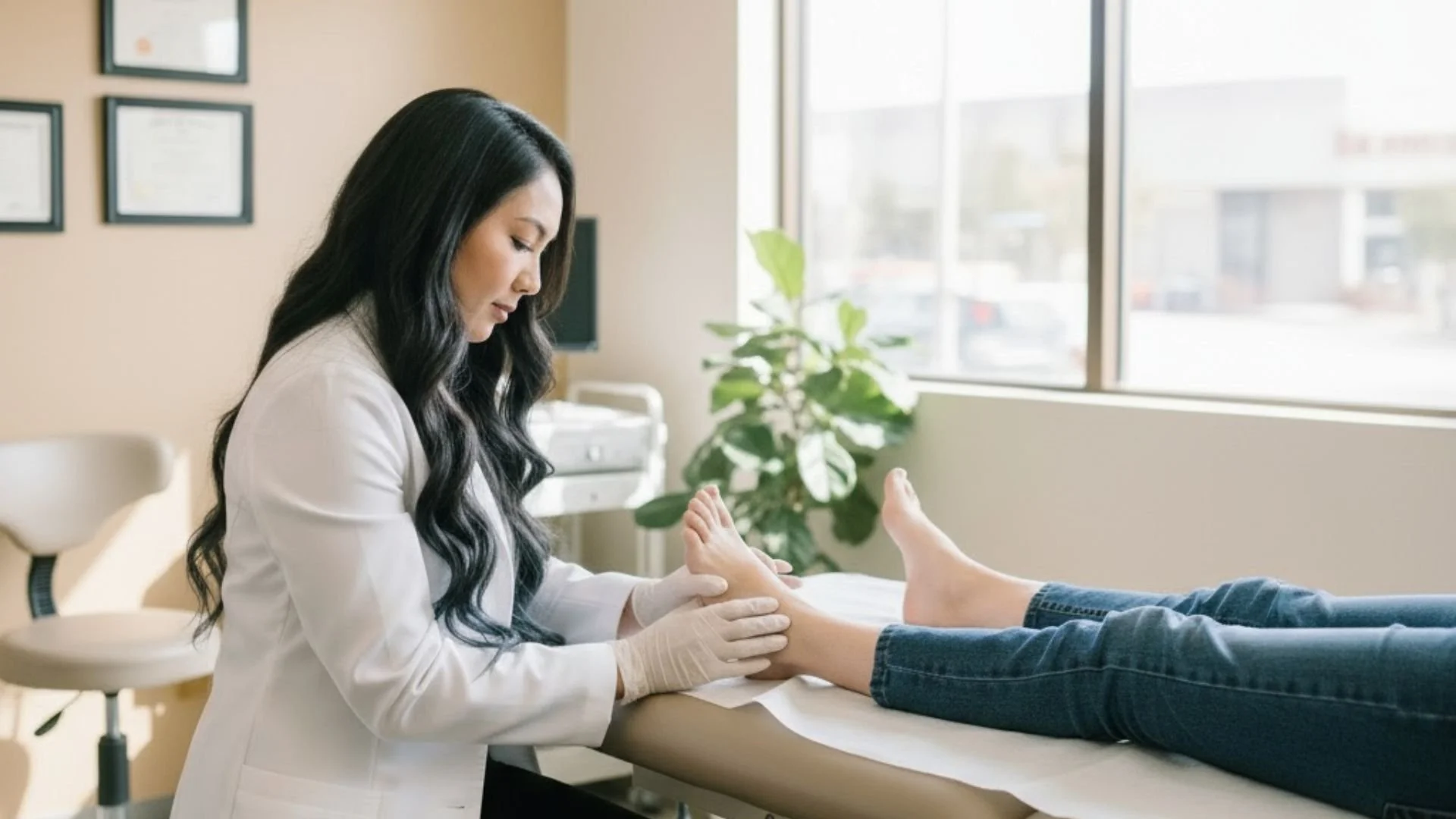
Professional foot care provides more than routine maintenance. At Pacific Point Podiatry, care is focused on safety, prevention, and long-term foot health.
Professional services offer:
Safe trimming of nails and management of calluses
Medical-grade tools and sterile techniques
Early detection of foot and nail conditions
Specialized care for diabetic and high-risk patients
Personalized recommendations for home care and footwear
Ongoing monitoring to prevent complications
This approach helps protect your feet while reducing discomfort and anxiety around self-care.
A Preventive, Patient-Centered Approach
Many foot problems develop slowly and quietly. Preventive podiatric care allows issues to be addressed early—often before they interfere with daily life or lead to urgent concerns.
At Pacific Point Podiatry, foot care is individualized and proactive. The goal is to help patients maintain mobility, independence, and confidence through consistent, thoughtful care rather than waiting for problems to worsen.
Conclusion: Prioritizing Your Foot Health
Your feet support you every step of the way. While self-care plays an important role, it has its limits. When caring for your feet becomes difficult, uncomfortable, or unsafe, professional foot care can make a meaningful difference.
Prioritizing your foot health today helps protect your mobility and quality of life for the future. When self-care isn’t enough, professional foot care truly matters.