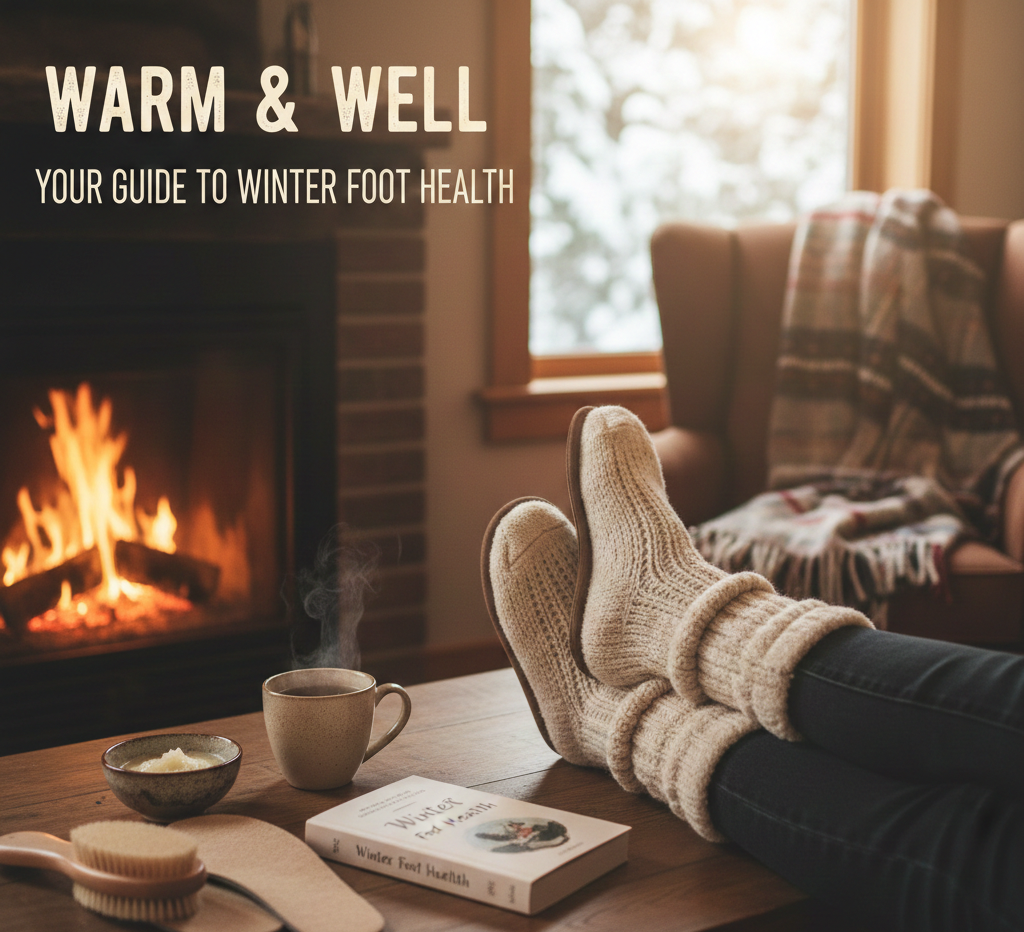
Warm & Well: Your Guide to Winter Foot Health

As winter blankets the world in frosty whites and icy blues, our feet often bear the brunt of the chill. Yet, they’re the unsung heroes guiding us through festive strolls and snowy adventures.
“Warm & Well: Your Guide to Winter Foot Health” empowers you to prioritize your foot care this season, ensuring comfort and warmth with every step. From choosing the right socks to maintaining circulation, this guide offers essential tips for keeping your feet healthy and happy during the cold months.
Whether you’re hitting the slopes or enjoying cozy nights by the fire, taking care of your feet can enhance your winter experience. Small adjustments create big benefits—helping you stay warm, pain-free, and ready for the season.
Understanding the Importance of Foot Health in Winter
As temperatures drop, our feet become more vulnerable to dryness, stiffness, and circulatory challenges. Hidden away in thick socks and boots, it’s easy to overlook them—but our feet need extra attention in winter.
Healthy feet support:
Better posture and alignment
Reduced knee, hip, and back strain
Improved mobility and stability
Lower risk of infections and skin breakdown
Winter can worsen issues like cracked heels, numbness, and chronic pain. At Pacific Point Podiatry, Dr. Tea Nguyen emphasizes a gentle, preventive, and holistic approach—helping patients stay ahead of problems rather than waiting for pain to escalate.
Common Winter Foot Problems and Their Causes
1. Chilblains
Itchy, red patches caused by sudden warming after exposure to cold. These can be painful and may break the skin.
2. Frostbite
A serious condition resulting from tissue freezing. Toes are especially vulnerable due to lower blood flow in cold weather.
3. Dry, Cracked Heels
Low humidity and cold air strip moisture from the skin, leading to fissures that can bleed or become infected.
4. Fungal Infections
Warm, damp boots + sweaty socks create the perfect environment for athlete’s foot and toenail fungus.
5. Blisters & Calluses
Often caused by stiff winter boots or improper fit.
Understanding these common concerns helps you take proactive steps to protect your feet all winter long.
How Cold Weather Affects Your Feet
Reduced Circulation
When it’s cold, your body redirects blood away from your extremities to protect vital organs. This can lead to:
Numb toes
Tingling
Increased sensitivity to cold
Slower healing
Dry Skin
Indoor heaters + cold outdoor air = moisture loss. Dry skin can crack and invite infection.
Muscle Stiffness
Cold temperatures cause muscles and tendons to contract, increasing the risk of strains—especially during winter activities.
Higher Infection Risk
Sweaty feet inside insulated footwear provide the ideal environment for fungal growth.
Keeping your feet warm, moisturized, and supported can help counter these winter stressors.
Essential Winter Foot Care Tips
1. Keep Your Feet Warm and Dry
Choose moisture-wicking socks.
Always change out of wet socks or boots.
Rotate shoes to allow them to fully dry between wears.
2. Moisturize Daily
Use a thick, nourishing foot cream—especially after showering. Don’t forget your heels and soles.
3. Practice Good Hygiene
Wash feet daily with warm water, not hot.
Dry thoroughly, especially between toes.
Trim nails straight across to prevent ingrown toenails.
4. Inspect Your Feet Regularly
Look for cracking, color changes, blisters, or peeling skin—especially if you have diabetes.
5. Choose the Right Socks
Opt for:
Merino wool
Bamboo fiber
Moisture-wicking blends
Avoid cotton—it traps moisture.
Winter foot care doesn’t have to be complicated. Consistency is key.
Choosing the Right Winter Footwear
At Pacific Point Podiatry, Dr. Tea often reminds patients: your shoes are your foundation.
When choosing winter footwear, look for:
1. Insulation
Keeps your feet warm without overheating.
2. Waterproofing
Essential for rain, snow, and slush. Materials like Gore-Tex help keep water out while maintaining breathability.
3. Proper Fit
Your winter shoes should:
Allow toe wiggle room
Not feel tight on the top of the foot
Have enough depth for warm socks
4. Strong Traction
Slip-resistant soles reduce fall risks, especially important for older adults.
5. Arch Support & Cushioning
This helps:
Prevent heel pain
Improve alignment
Reduce fatigue on long winter walks
A good pair of winter boots is an investment in your comfort and long-term foot health.
The Role of Moisturizers and Foot Creams
Foot creams become your best friend during winter. Look for ingredients like:
Urea – softens thick, dry skin
Glycerin – draws moisture in
Shea Butter – seals hydration
Hyaluronic Acid – boosts moisture retention
Tips for Best Results:
Apply after showering.
Use exfoliation once a week to remove dead skin.
Wear cotton socks after moisturizing at night for deep hydration.
Patients with cracked heels or chronic dryness may need medical-grade treatments—something Dr. Tea commonly helps with during a foot care visit.
Exercises to Keep Your Feet Healthy in Winter
Movement increases circulation and keeps your muscles flexible. Try these gentle exercises:
Toe Curls
Strengthens the small muscles of the feet.
Ankle Rotations
Improves mobility and reduces stiffness.
Arch Stretch
Helps prevent plantar fasciitis flare-ups.
Heel Raises
Builds calf strength, which supports foot alignment.
These simple exercises support your overall mobility—especially helpful if you're sitting indoors more during winter.
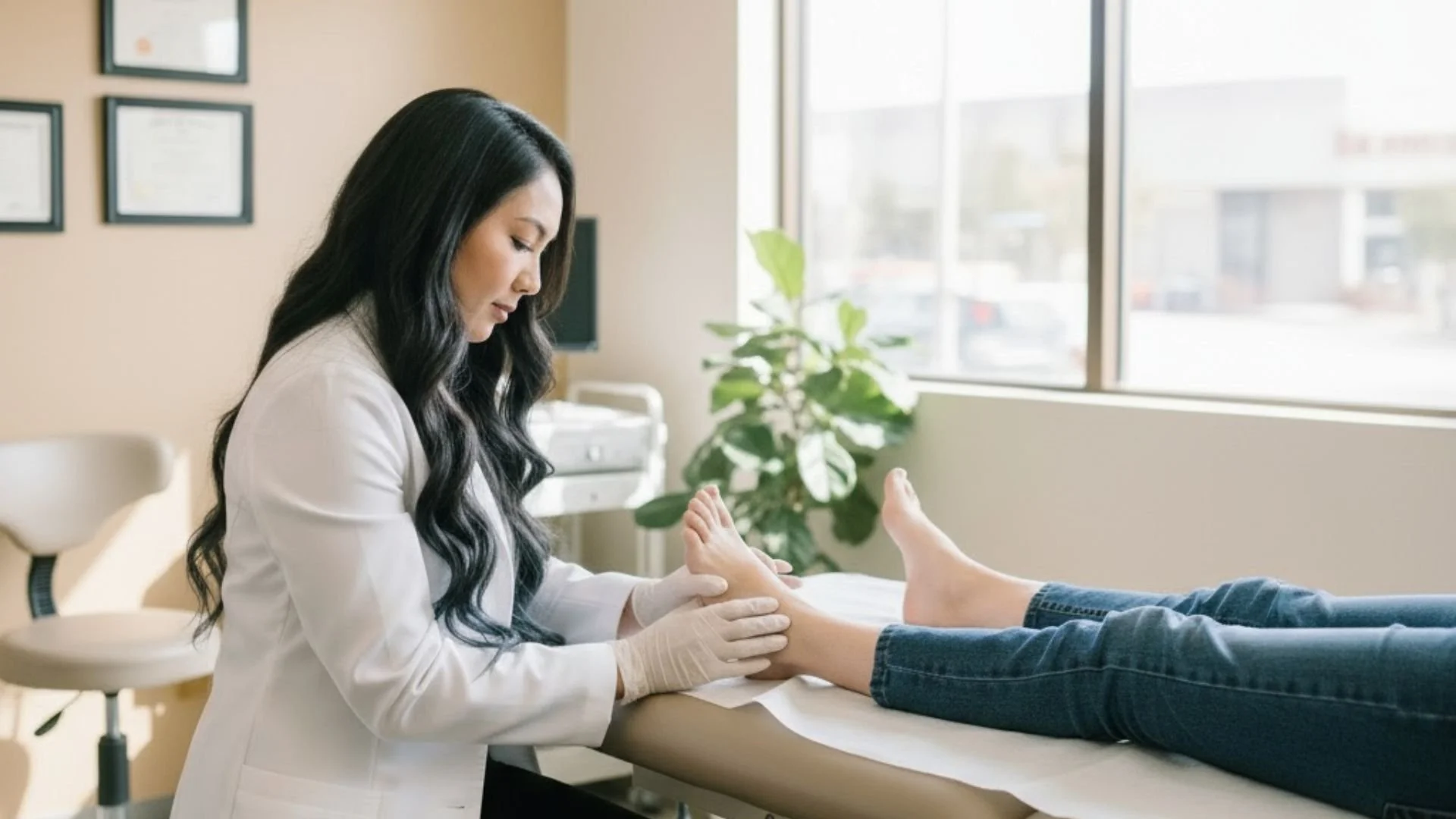
When to Seek Professional Help for Foot Issues
While home care helps, some foot concerns require expert evaluation, especially in winter.
Seek professional care if you notice:
Persistent or worsening pain
Swelling or redness
Skin color changes
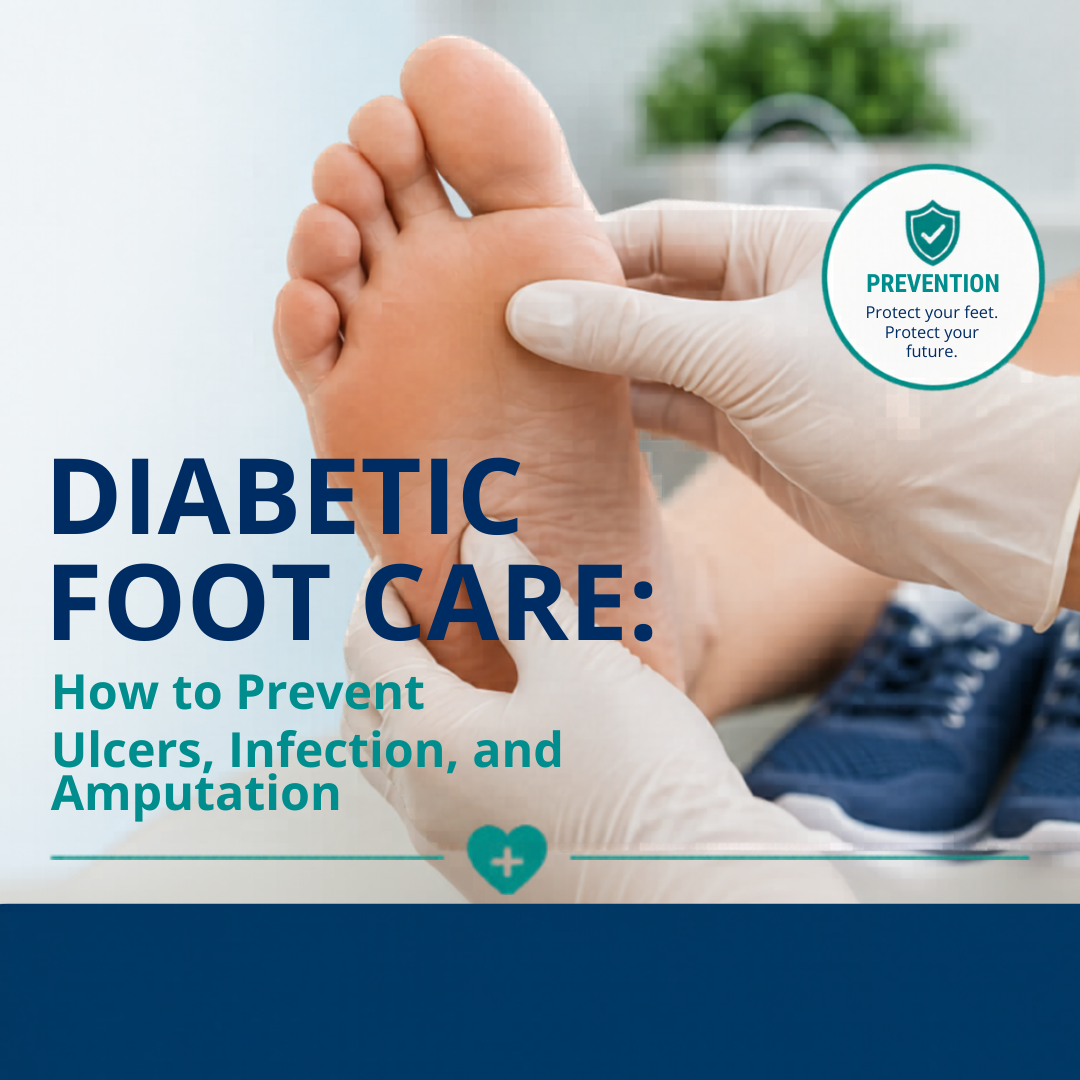
Non-healing cracks or wounds
Signs of infection (odor, drainage, warmth)
Thick, discolored toenails
Increased numbness or tingling
If you have diabetes:
Winter raises the risk of ulcers, circulation issues, and infections.
Pacific Point Podiatry offers gentle medical pedicures, foot evaluations, diabetic foot checks, and preventive care to help you stay ahead of complications.
Myths and Facts About Winter Foot Health
Myth 1: “Thick socks alone keep your feet warm.”
Fact: Socks help, but without insulated, waterproof shoes, you’ll still feel cold.
Myth 2: “My feet stay covered, so hygiene isn’t as important.”
Fact: Covered feet sweat more—fungus loves moisture.
Myth 3: “Foot pain in winter is normal.”
Fact: Pain is a sign something is off—never ignore it.
Myth 4: “Dry skin is unavoidable during winter.”
Fact: With proper moisturizers and routine care, you can prevent painful cracking.
Understanding the truth empowers you to take better care of your feet.
Conclusion: Staying Warm and Well This Winter
As the winter season unfolds, your feet deserve intentional care and attention. With simple habits—moisturizing, choosing supportive footwear, staying active, and monitoring changes—you can prevent discomfort and enjoy the season fully.
At Pacific Point Podiatry, we are dedicated to caring for your feet with a gentle, holistic, and preventive approach—personalized to meet your unique needs.
Whether you're managing cold-weather dryness, fungal issues, circulation challenges, or foot pain, we're here to help you stay active, warm, and well.
Stay warm, stay well, and enjoy every moment of this winter season.
Your feet carry you through life—let’s take great care of them.