Ingrown Toenails: Home Remedies vs. When to Seek Treatment
Ingrown toenails occur when a nail grows into the skin, causing pain, swelling, or infection. Mild cases may improve at home, but persistent or recurrent nails need professional care.
This article covers causes, symptoms, home remedies, prevention, treatments, and FAQs to help you protect your foot health.
Understanding Ingrown Toenails
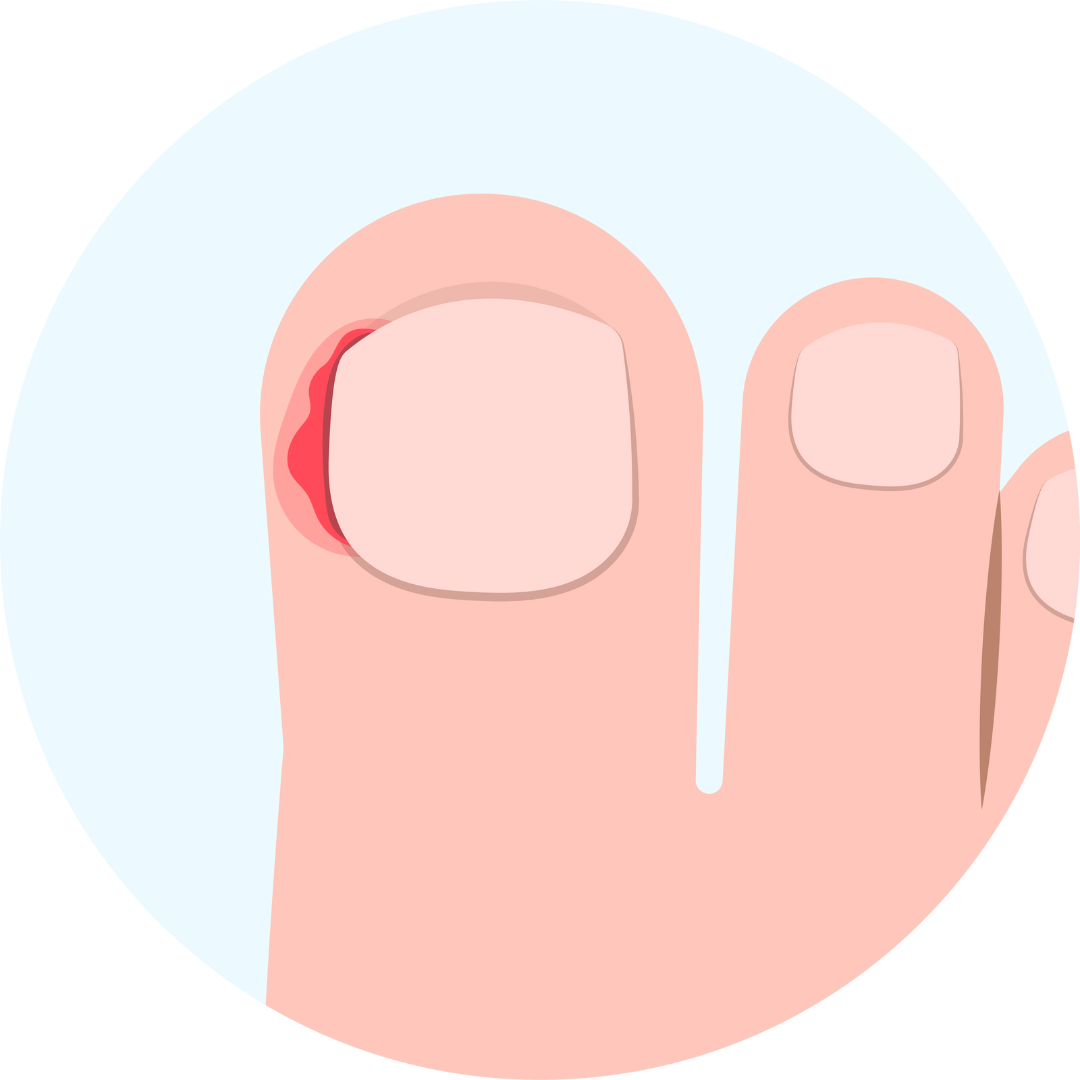
An ingrown toenail, medically called onychocryptosis, occurs when the side or corner of a nail grows into the skin. This causes irritation, pain, and in some cases, infection. While ingrown nails can affect any toe, they are most common on the big toe due to the pressure it bears when walking, running, or wearing tight shoes.
The condition can range from mild discomfort to severe pain and infection. Ignoring an ingrown toenail may lead to abscess formation, difficulty walking, and long-term nail deformity. For people with diabetes or poor circulation, even minor nail issues can escalate quickly, making timely professional care essential.
Common Causes of Ingrown Toenails
Several factors increase the risk of developing ingrown toenails:
1. Improper Nail Trimming
Trimming toenails too short or rounding the edges encourages the nail to dig into the surrounding skin. Cutting nails straight across and avoiding a curved finish is crucial for prevention.
2. Tight or Ill-Fitting Footwear
Shoes that crowd the toes or have a narrow toe box can press nails into the skin, contributing to ingrown toenails over time. High heels, pointy shoes, and tight socks all increase risk.
3. Trauma or Repeated Pressure
Stubbing your toe, dropping a heavy object, or repetitive pressure from sports like soccer or running can damage the nail and cause it to grow improperly.
4. Genetic Predisposition
Some people naturally have curved or thick nails that are more likely to become ingrown. Family history can play a role in recurring cases.
5. Medical Conditions
Certain conditions like fungal nail infections, obesity, or diabetes can increase the likelihood of ingrown nails and complicate healing if infection occurs.
Symptoms of Ingrown Toenails
Recognizing symptoms early can prevent complications. Common signs include:
Pain and tenderness along the sides of the nail, often worsening when pressure is applied
Redness and swelling around the nail edge
Warmth indicating inflammation or early infection
Pus or drainage if the nail is infected
Difficulty wearing shoes or walking due to pain
If you notice any signs of infection, prompt podiatric care is recommended. Ignoring the problem can lead to worsening infection, abscess formation, or permanent nail damage.
Home Remedies for Ingrown Toenails
For mild ingrown toenails without infection, you can often manage symptoms at home. Here are some effective strategies:
1. Warm Soaks
Soaking the foot in warm water for 15–20 minutes, 2–3 times per day, can reduce swelling and relieve tenderness. Adding Epsom salt may further help draw out inflammation and soften the nail.
2. Gentle Nail Elevation
Placing a small piece of cotton or dental floss under the nail edge can lift it slightly away from the skin. This reduces pressure and encourages proper growth. Replace the cotton daily to maintain hygiene.
3. Pain Relief
Over-the-counter anti-inflammatory medications like ibuprofen can help reduce pain and swelling.
4. Footwear Adjustments
Wearing shoes with a wide toe box or open-toe sandals allows the toe to heal without added pressure. Avoid tight socks or shoes until the nail improves.
5. Avoid Cutting or Digging
Never attempt to cut the nail deeply or dig out the ingrown edge yourself. Doing so increases the risk of infection and can make the problem worse.
Preventive Measures to Avoid Ingrown Toenails
Prevention is often easier than treatment. To minimize the risk:
Trim nails properly: Cut straight across, avoid rounding edges, and keep them at a moderate length.
Choose supportive shoes: Opt for wide toe boxes and avoid tight-fitting footwear.
Maintain foot hygiene: Wash feet daily and dry thoroughly, paying attention to the spaces between toes.
Protect toes from trauma: Use protective footwear during sports or manual work.
Monitor recurring issues: People prone to ingrown toenails should check their feet regularly and seek early care if problems arise.
When to Seek Professional Treatment
While mild cases may improve with home care, certain signs indicate it’s time to see a podiatrist:
Persistent pain or swelling that doesn’t improve with home remedies
Redness, warmth, or pus (signs of infection)
Recurrent ingrown nails despite proper care
Diabetes, poor circulation, or immune system concerns
Early intervention by a podiatrist often results in quicker relief and prevents complications that can become serious, especially for high-risk patients.
Medical Treatments for Ingrown Toenails
Professional treatment is often simple, effective, and performed in-office. Common options include:
1. Partial Nail Removal (Partial Nail Avulsion)
This procedure removes the ingrown portion of the nail under local anesthesia. Recovery is typically quick, with minimal discomfort.
2. Permanent Nail Correction
For chronic or recurring ingrown toenails, a minor surgical procedure can prevent regrowth of the problematic nail portion permanently.
3. Infection Management
If infection is present, the podiatrist may prescribe topical or oral antibiotics, and provide proper wound care instructions to prevent recurrence.
4. Laser or Advanced Nail Therapy
In select cases, lasers or other specialized treatments may be used to correct nail growth and prevent fungal or bacterial infections from complicating the ingrown nail.
Professional care not only alleviates pain quickly but also prevents long-term nail deformities and recurring infections.
Post-Treatment Care and Recovery
After treatment, proper care is key to healing:
Keep the area clean and dry
Change dressings as instructed
Avoid tight shoes until the nail fully heals
Monitor for signs of infection such as increased redness, swelling, or drainage
Follow up with your podiatrist for evaluation and guidance on preventing recurrence
Most patients resume normal activities within a few days to a week. Early follow-up ensures proper healing and reduces the chance of further complications.
FAQs About Ingrown Toenails
Q: Can ingrown toenails heal on their own?
A: Mild cases sometimes improve with home care, but persistent or infected nails require professional treatment to prevent worsening.
Q: Is nail removal painful?
A: Local anesthesia ensures minimal pain during partial nail removal. Discomfort afterward is usually mild and temporary.
Q: Can ingrown toenails recur?
A: Yes. Improper nail trimming, tight footwear, or genetic factors can cause recurrence, making preventive measures and professional care important.
Q: How long does recovery take after nail procedures?
A: Most patients experience relief immediately, with full recovery in a few days to a week depending on the procedure and care.
Q: Are there risks of infection even after treatment?
A: Proper post-treatment care and follow-up greatly reduce infection risk. Your podiatrist will provide clear instructions to ensure healing.
Conclusion and Final Thoughts
Ingrown toenails are uncomfortable and can lead to serious complications if left untreated. While mild cases may respond to home remedies like warm soaks and nail elevation, persistent pain, swelling, or infection requires professional intervention.
Podiatric treatments, including partial nail removal and permanent correction, are quick, effective, and prevent recurring problems. Early care not only relieves pain but also protects foot health and reduces the risk of infection.
Don’t wait until an ingrown toenail becomes severe. A short, in-office visit can provide fast relief, prevent complications, and keep your feet healthy for years to come.
If you’re struggling with painful or recurring ingrown toenails, schedule an appointment with a podiatrist today. Quick, professional care can save weeks of discomfort and prevent future complications.