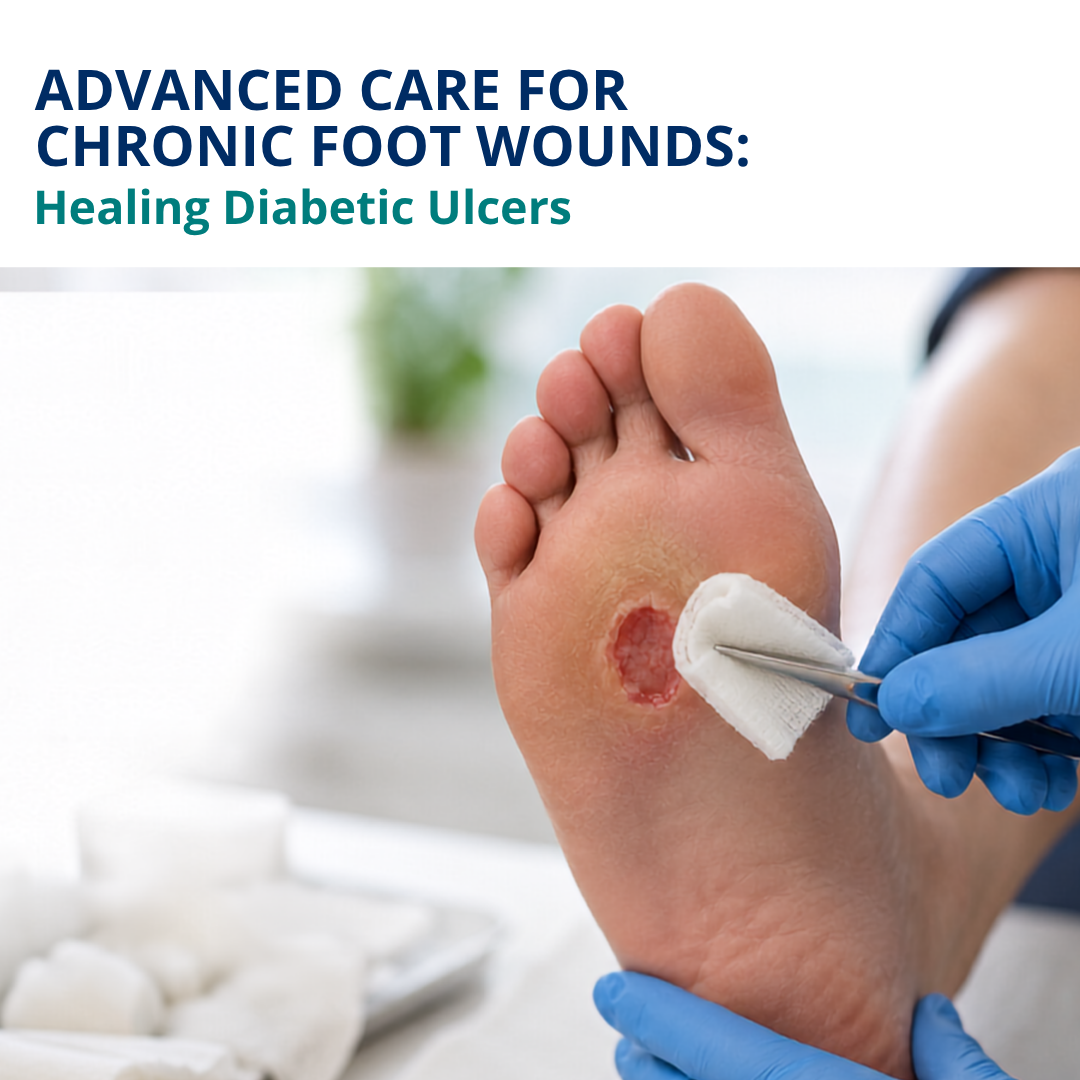
Advanced Care for Chronic Foot Wounds: Healing Diabetic Ulcers
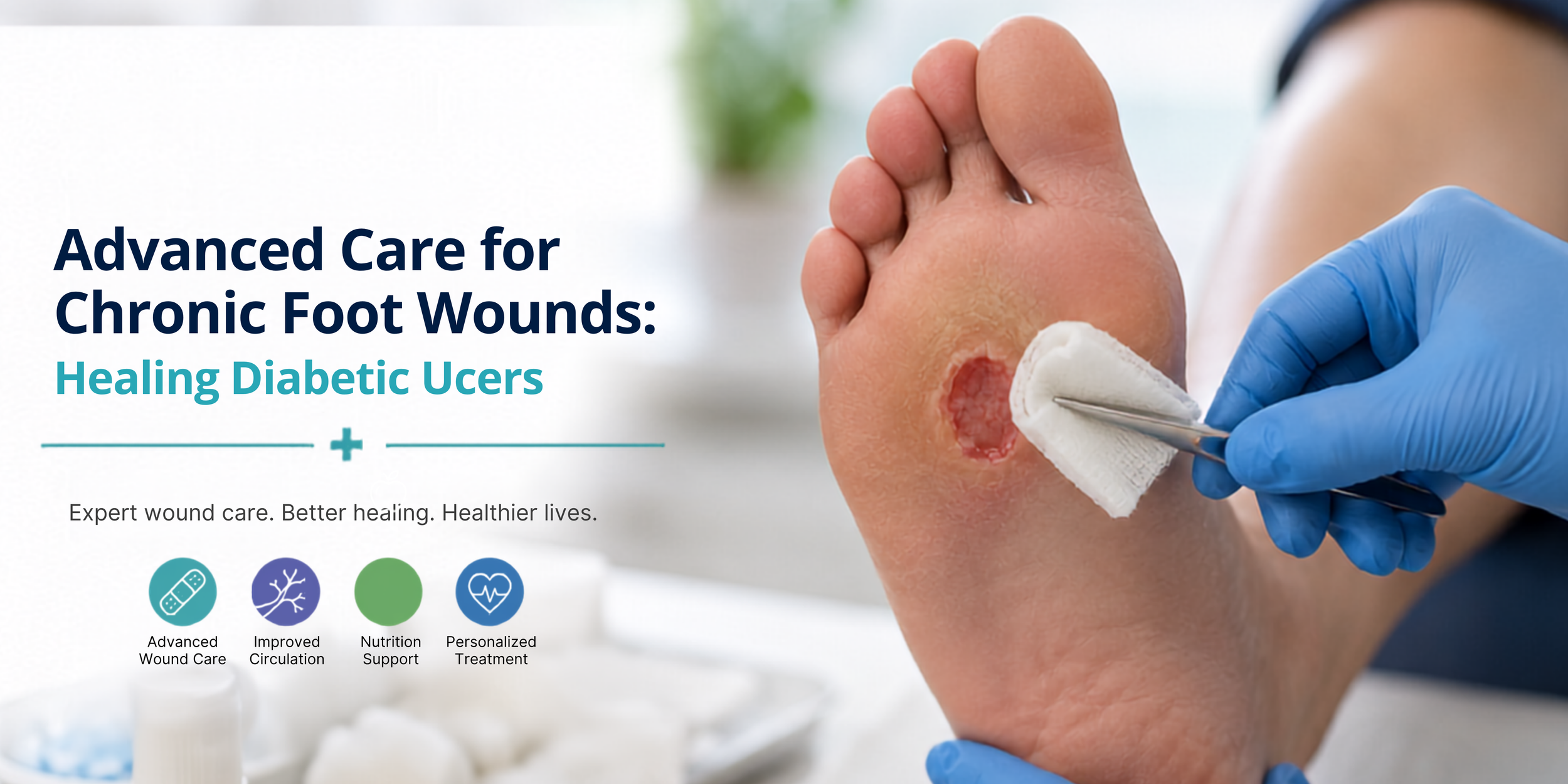
A small cut, blister, or sore on your foot may seem minor at first. However, when a wound fails to heal within a few weeks, it could be a sign of an underlying health issue that requires professional attention. Chronic foot wounds, particularly diabetic foot ulcers, can significantly impact mobility, independence, and overall health if left untreated.
For individuals with diabetes, poor circulation, nerve damage, or other medical conditions, even minor injuries can quickly develop into serious wounds. The good news is that advances in podiatric medicine have transformed how these wounds are treated. Through comprehensive evaluation, advanced wound care therapies, nutritional support, and personalized treatment plans, many chronic foot wounds can heal successfully while reducing the risk of complications.
Understanding why wounds become chronic and how modern treatment approaches work can help patients take action early and achieve better outcomes.
What Is a Chronic Foot Wound?
A chronic foot wound is a wound that does not progress through the normal stages of healing within an expected timeframe. While most minor cuts and scrapes heal within a few weeks, chronic wounds remain open, worsen over time, or repeatedly break down after showing signs of improvement.
Common types of chronic foot wounds include:
Diabetic foot ulcers
Pressure ulcers
Venous ulcers
Arterial ulcers
Surgical wounds with delayed healing
Traumatic wounds that fail to close properly
Chronic wounds often develop because the body cannot effectively repair damaged tissue. When healing stalls, the wound becomes vulnerable to infection, further tissue damage, and other serious complications.
Why Do Some Foot Wounds Heal So Slowly?
Wound healing is a complex biological process that depends on several systems working together. Healthy circulation, adequate oxygen supply, proper nutrition, immune function, and tissue regeneration all play critical roles in recovery.
When one or more of these factors are compromised, healing slows significantly.
Poor Circulation
Blood delivers oxygen and nutrients that damaged tissues need to repair themselves. Poor circulation can limit blood flow to the feet, making it difficult for wounds to heal properly.
Diabetes
High blood sugar levels affect nearly every stage of the healing process. Diabetes damages blood vessels, weakens immune function, and increases the risk of infection, all of which contribute to delayed healing.
Peripheral Neuropathy
Nerve damage can reduce sensation in the feet, making it difficult to notice injuries. Without pain as a warning signal, wounds may go untreated for extended periods.
Infection
Bacterial infections can prevent healthy tissue growth and prolong inflammation, making wound healing significantly more challenging.
Repeated Pressure
Walking on an ulcer or wearing improper footwear can repeatedly damage healing tissue, preventing the wound from closing.
Poor Nutrition
Healing requires protein, vitamins, minerals, and adequate hydration. Nutritional deficiencies can dramatically slow recovery and increase the risk of complications.
Understanding Diabetic Foot Wounds
Diabetic foot ulcers are among the most common and serious complications associated with diabetes. These wounds typically develop on the bottom of the foot and can become difficult to heal without specialized care.
Several factors contribute to the development of diabetic foot wounds.
Nerve Damage
Diabetic neuropathy reduces sensation in the feet. Patients may not feel cuts, blisters, or pressure points, allowing minor injuries to progress unnoticed.
Reduced Blood Flow
Diabetes can lead to peripheral artery disease, which decreases circulation to the feet. Limited blood flow reduces oxygen delivery and slows tissue repair.
Increased Infection Risk
Elevated blood sugar weakens the body's ability to fight bacteria, increasing the likelihood of infection.
Delayed Healing
The combination of poor circulation, nerve damage, and impaired immune function makes diabetic wounds especially challenging to heal.
Without proper treatment, diabetic foot ulcers can progress rapidly and may lead to hospitalization, severe infection, or amputation. Early intervention is essential.
The Importance of Early Detection and Intervention
One of the most effective ways to prevent complications from chronic foot wounds is early detection.
Patients should inspect their feet daily and seek professional care if they notice:
A wound that does not improve within two weeks
Persistent redness
Swelling
Drainage or pus
Unpleasant odor
Increased warmth around the wound
Black or discolored tissue
Fever or chills
Prompt treatment allows podiatrists to identify underlying causes and implement appropriate therapies before complications develop.
Early intervention often results in:
Faster healing
Reduced infection risk
Lower healthcare costs
Fewer hospitalizations
Better long-term outcomes
The sooner a wound is evaluated, the greater the likelihood of successful healing.
Hello, World!
Common Causes and Risk Factors for Diabetic Foot Ulcers
Understanding risk factors can help patients take proactive steps to prevent foot ulcers.
Diabetes
Long-term diabetes remains the leading cause of chronic foot wounds.
Peripheral Artery Disease
Reduced circulation significantly increases the risk of tissue breakdown and delayed healing.
Neuropathy
Loss of sensation prevents early detection of injuries.
Foot Deformities
Conditions such as bunions, hammertoes, and Charcot foot can create pressure points that increase ulcer risk.
Ill-Fitting Footwear
Shoes that rub, pinch, or create excessive pressure can cause skin breakdown.
Smoking
Smoking reduces circulation and oxygen delivery to tissues, slowing healing.
Previous Ulcers
A history of foot ulcers increases the likelihood of future wounds.
Kidney Disease
Patients with kidney disease often experience impaired wound healing and increased complication rates.
Advanced Treatment Options for Diabetic Ulcers
Modern wound care involves much more than simply applying a bandage.
Debridement
Removing dead or damaged tissue allows healthy tissue to grow and reduces bacterial contamination.
Advanced Wound Dressings
Specialized dressings help maintain an optimal healing environment by balancing moisture and protecting the wound.
Infection Management
Treating infections quickly helps prevent deeper tissue damage and supports faster healing.
Pressure Offloading
Custom footwear, walking boots, and orthotics help relieve pressure on vulnerable areas and promote healing.
Negative Pressure Wound Therapy
Also known as wound vacuum therapy, this treatment removes excess fluid and stimulates healthy tissue growth.
Cellular Tissue Products and Skin Substitutes
Advanced biologic therapies can encourage tissue regeneration and improve healing outcomes for complex wounds.
Hyperbaric Oxygen Therapy
For selected patients, increased oxygen delivery may help support tissue repair and reduce infection risk.
These treatments are customized based on the patient's individual needs and wound characteristics.
The Role of Wound Care Specialists in Healing
Wound care specialists play a critical role in managing chronic foot wounds.
A podiatrist specializing in wound care can:
Diagnose underlying causes
Evaluate circulation and nerve function
Perform debridement
Monitor healing progress
Coordinate care with other specialists
Develop personalized treatment plans
Because chronic wounds often involve multiple contributing factors, a comprehensive approach is essential for successful healing.
Patients benefit from ongoing monitoring and adjustments to their treatment plan as healing progresses.
Innovative Technologies in Diabetic Ulcer Management
Advancements in medical technology continue to improve wound care outcomes.
Digital Wound Measurement
Precise measurements help providers monitor healing and adjust treatment plans.
Infrared Imaging
Thermal imaging can identify inflammation and potential problem areas before wounds develop.
Remote Monitoring
Digital health platforms allow healthcare providers to track healing progress between office visits.
Bioengineered Skin Substitutes
These products provide a scaffold for new tissue growth and may accelerate healing.
Regenerative Medicine
Emerging therapies continue to expand treatment options for difficult-to-heal wounds.
These innovations support earlier intervention, more accurate monitoring, and better patient outcomes.
Preventative Measures to Avoid Diabetic Ulcers
Prevention remains one of the most effective strategies for reducing the risk of chronic foot wounds.
Patients should:
Inspect their feet daily
Wash and dry feet thoroughly
Moisturize dry skin
Wear properly fitted shoes
Avoid walking barefoot
Trim toenails carefully
Manage blood sugar levels
Stay physically active
Quit smoking
Schedule routine podiatric evaluations
Regular foot exams can identify potential issues before they develop into serious wounds.
For patients with diabetes, preventive care is often the key to avoiding complications altogether.
Conclusion: Embracing Comprehensive Care for Better Outcomes
Chronic foot wounds and diabetic foot ulcers should never be ignored. What begins as a small sore can quickly become a serious medical condition when underlying issues such as diabetes, poor circulation, infection, or nerve damage are left unaddressed.
Fortunately, advances in podiatric medicine have dramatically improved the management of chronic wounds. Through comprehensive evaluations, advanced wound care therapies, nutritional support, pressure offloading, and preventive strategies, patients have more treatment options than ever before.
Early detection remains one of the most important factors in successful healing. The sooner a chronic wound is evaluated and treated, the better the chances of avoiding complications and preserving long-term foot health.
If you have a chronic foot wound, a slow-healing foot ulcer, or concerns about diabetic foot health, seeking specialized care can make all the difference.
Contact Pacific Point Podiatry today for a comprehensive foot wound evaluation and personalized treatment plan. Our advanced wound care approach is designed to promote healing, prevent complications, and help you stay active, healthy, and on your feet.