Summer is a season for vacations, outdoor activities, beach trips, and spending more time on your feet. While these activities are enjoyable, they can also create unique challenges for people living with diabetes. Heat, increased physical activity, sandals, barefoot walking, dehydration, and hot pavement all contribute to a significantly higher risk of foot injuries and infections.
For someone without diabetes, a small blister or scrape may heal without much concern. For someone with diabetes, that same injury can become infected, develop into an ulcer, or even lead to hospitalization if left untreated.
The good news is that most serious diabetic foot complications are preventable with proper daily care and early intervention.
As a podiatrist, I often see preventable foot problems become much more serious simply because patients didn't realize the risks that come with summer. Understanding these seasonal hazards is one of the best ways to protect your feet and maintain an active, healthy lifestyle.
Why Summer Can Be Dangerous for People with Diabetes
Diabetes affects circulation, nerve function, and the body's ability to heal. These changes make your feet especially vulnerable during the warmer months.
Summer introduces several additional risk factors, including:
Hot pavement that can cause burns
Increased sweating that softens skin and increases friction
Sandals that provide little protection
Barefoot walking at pools or beaches
Longer periods of walking during vacations
Higher risk of dehydration
Each of these factors increases the likelihood of cuts, blisters, burns, and skin breakdown.
Even injuries that appear minor can become serious if they go unnoticed or untreated.
How Heat Affects Diabetic Feet
High temperatures affect the body in several ways that increase the risk of diabetic foot complications.
Increased Swelling
Heat naturally causes blood vessels to expand, leading to swelling in the feet and ankles. Swollen feet create more pressure inside shoes, increasing friction and the likelihood of blisters.
Excess Moisture
Sweating is the body's natural cooling mechanism. However, excess moisture softens the skin, making it easier for blisters and fungal infections to develop.
Moist skin between the toes also creates an ideal environment for athlete's foot and bacterial infections.
Dehydration
Many people don't realize dehydration can affect foot health.
When you're dehydrated:
Skin becomes dry and prone to cracking
Circulation may worsen
Blood sugar becomes more difficult to control
Healing slows down
Maintaining proper hydration supports healthier skin and improves circulation.
Why Diabetic Neuropathy Makes Summer Injuries More Dangerous
Peripheral neuropathy is one of the most common complications of diabetes.
Neuropathy reduces your ability to feel:
Heat
Pain
Pressure
Cuts
Blisters
This creates a dangerous situation during summer.
For example, someone with neuropathy may:
Walk barefoot across hot pavement without realizing they're being burned.
Develop a blister after a long day of sightseeing and never notice it.
Continue wearing a shoe that's rubbing because they don't feel the irritation.
By the time these injuries become visible, they may already be infected.
Daily foot inspections become even more important when sensation is reduced.
Common Summer Foot Problems for People with Diabetes
Several foot conditions become much more common during warm weather.
Blisters
Long walks, vacations, new shoes, and sandals increase friction.
Blisters should never be popped at home because opening the skin increases infection risk.
Burns
Hot asphalt, concrete, sand, and pool decks can reach temperatures well above 120°F (49°C).
Patients with neuropathy may sustain second-degree burns before realizing there's a problem.
Cuts and Scrapes
Walking barefoot—even briefly—can expose your feet to:
Broken glass
Sharp rocks
Shells
Splinters
Metal debris
Any break in the skin increases the risk of infection.
Athlete's Foot
Warm, moist environments allow fungi to thrive.
Signs include:
Itching
Peeling skin
Cracking
Burning
Redness
Even fungal infections should be treated promptly because cracked skin creates an entry point for bacteria.
Toenail Problems
Swimming, sweating, and poorly fitting footwear may contribute to:
Thick toenails
Fungal nail infections
Ingrown toenails
Ingrown nails are especially concerning because they often become infected.
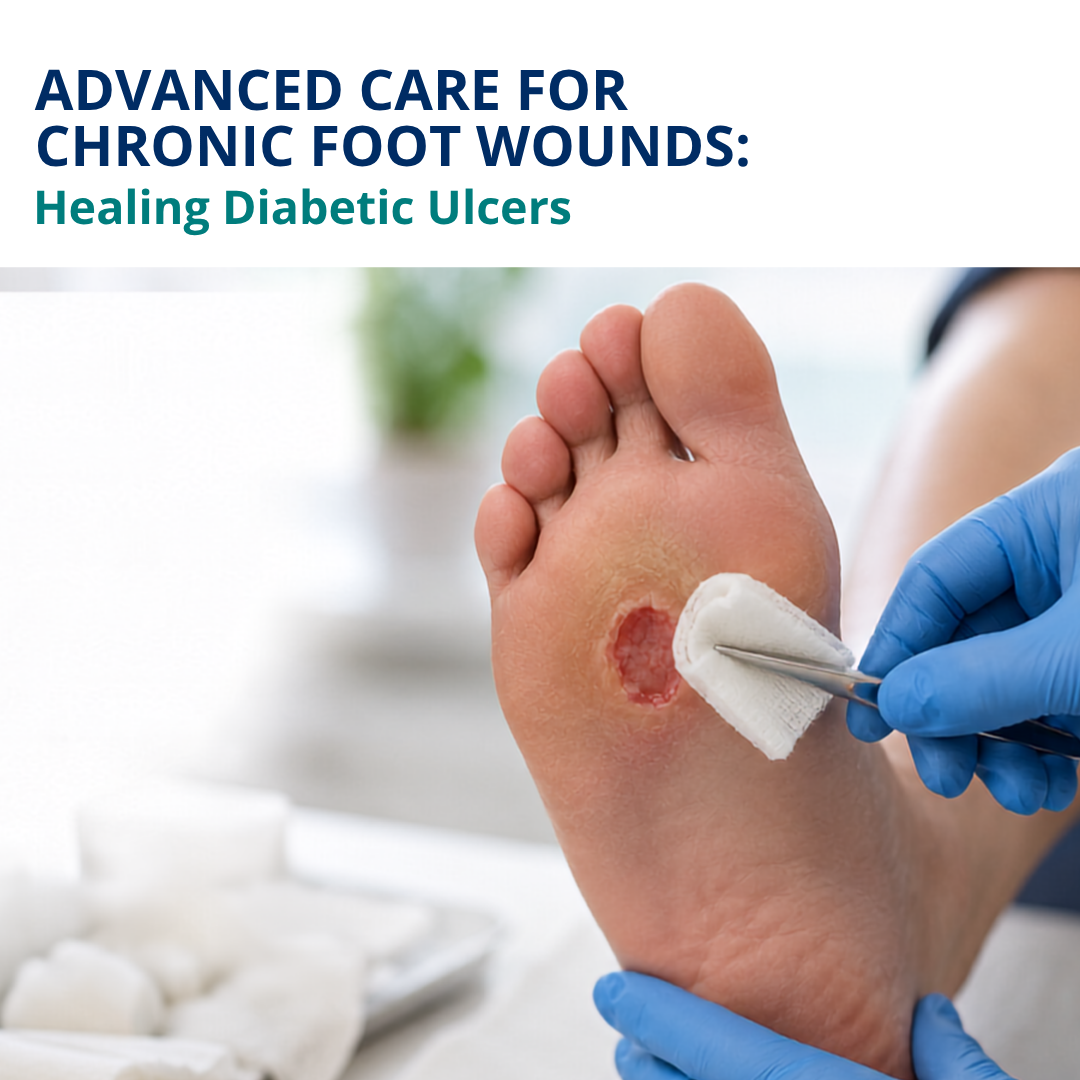
Diabetic Foot Ulcers
Ulcers often begin as something very small:
A blister
A callus
A tiny cut
Shoe rubbing
Without proper care, these wounds can deepen and become difficult to heal.
Summer Activities That Increase Your Risk
Many favorite summer activities place additional stress on diabetic feet.
Beach Trips
Sand becomes extremely hot under direct sunlight.
Hidden shells, rocks, and debris can also puncture the skin.
Always wear water shoes or supportive sandals designed to protect your feet.
Pool Areas
Wet concrete can be slippery, increasing fall risk.
Pool decks may also harbor fungi that cause athlete's foot.
Hiking
Uneven terrain increases pressure points and friction.
Proper hiking shoes and moisture-wicking socks help reduce injury risk.
Travel
Vacations often involve significantly more walking than normal.
Long days exploring cities or amusement parks commonly lead to blisters and swelling.
Take breaks throughout the day and inspect your feet each evening.
Gardening
Many gardening injuries occur when people wear flip-flops or go barefoot.
Protective closed-toe shoes are always the safer choice.
Warning Signs You Should Never Ignore
Early treatment prevents minor problems from becoming major complications.
Contact your podiatrist immediately if you notice:
Redness
Swelling
Drainage
Pus
Bleeding
New blisters
Skin discoloration
Open sores
Foul odor
Fever
Increasing pain
Warmth around a wound
Even if the injury appears small, prompt evaluation is essential.
Daily Summer Foot Care Tips for People with Diabetes
A few minutes of daily foot care can dramatically reduce your risk of complications.
Inspect Your Feet Every Day
Check:
Tops
Bottoms
Between the toes
Around the heels
Around the toenails
Use a mirror or ask a family member if you cannot see the bottoms of your feet.
Wash and Dry Carefully
Wash feet daily with lukewarm water.
Avoid soaking your feet for extended periods.
Dry thoroughly, especially between the toes.
Moisturize Dry Skin
Apply moisturizer to prevent cracking.
Avoid placing lotion between the toes where moisture can encourage fungal growth.
Wear Proper Footwear
Choose shoes that:
Fit correctly
Provide cushioning
Protect the toes
Reduce friction
Support your arch
Replace worn shoes regularly.
Never Walk Barefoot
This includes:
At home
Around pools
On patios
At beaches
In hotel rooms
Protective footwear greatly reduces injury risk.
Change Socks Daily
Moisture-wicking socks help keep feet dry while reducing friction.
If your feet sweat heavily, change socks more than once per day.
Stay Hydrated
Drink plenty of water throughout the day, especially during outdoor activities.
Proper hydration supports circulation, healthy skin, and blood sugar management.
Manage Blood Sugar
Keeping blood sugar within your target range promotes:
Faster healing
Better circulation
Lower infection risk
Healthier nerves
Foot care begins with good diabetes management.
Why Early Treatment Can Prevent Serious Complications
Many diabetic amputations begin with wounds that initially seemed insignificant.
The earlier a problem is identified, the more treatment options are available.
Prompt care may include:
Professional wound cleaning
Offloading pressure
Infection management
Custom padding
Advanced wound care
Diabetic footwear recommendations
Waiting "just a few days" can allow bacteria to spread quickly.
Early intervention often prevents hospitalization and surgery.
When to Seek Professional Help: Signs of Trouble
Don't wait until a wound becomes severe.
Schedule a podiatry appointment immediately if you notice:
A cut that hasn't healed within a few days
Any blister that opens
Persistent swelling
Increasing redness
Drainage
Thick calluses with bleeding underneath
New numbness or tingling
Black or blue skin discoloration
Fever with a foot wound
Pain that suddenly worsens
People with diabetes should never attempt to treat serious foot wounds at home.
Professional evaluation can prevent long-term complications and preserve mobility.
Keep Your Feet Healthy All Summer Long
Summer should be a season to enjoy—not a season that puts your feet at risk.
With daily foot inspections, proper footwear, hydration, and early treatment of even minor injuries, most diabetic foot complications can be prevented. Paying close attention to your feet throughout the warmer months is one of the most effective ways to stay active and avoid serious problems.
If you have diabetes, don't wait until a small issue becomes a major one. Regular foot evaluations can identify problems before they progress and help you maintain healthy feet year-round.
At Pacific Point Podiatry, we provide comprehensive diabetic foot evaluations, preventive care, advanced wound treatment, and personalized recommendations to help reduce your risk of ulcers, infections, and other diabetes-related foot complications.
Protect your feet this summer. Schedule your diabetic foot evaluation today and let our team help you stay healthy, active, and confident every step of the way.