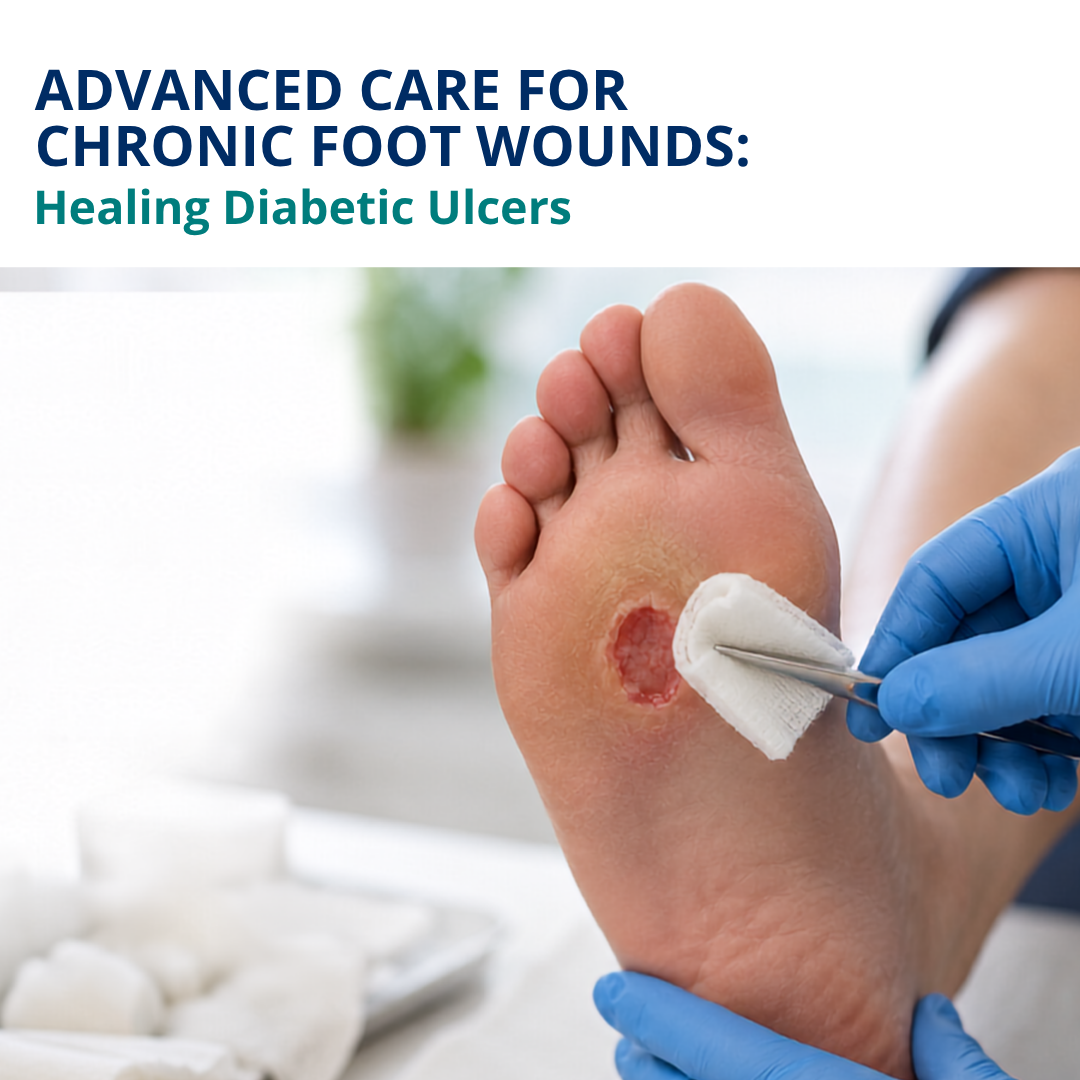
Diabetic Foot Care: How to Prevent Ulcers, Infection, and Amputation
Diabetic foot care is one of the most important—and often overlooked—aspects of managing diabetes.
While many people focus on blood sugar levels, medications, and diet, the health of your feet can quietly determine your long-term mobility, independence, and overall quality of life.
A small cut. A minor blister. A little numbness.
For someone with diabetes, these seemingly harmless issues can quickly escalate into serious infections, chronic ulcers, or even amputation if not addressed early.
The good news?
Most diabetic foot complications are preventable with consistent care, early detection, and the right medical support.
Why Diabetic Foot Care Is So Important
Diabetes affects multiple systems in the body, but the feet are particularly vulnerable due to two major complications:
1. Peripheral Neuropathy (Nerve Damage)
Over time, high blood sugar damages the nerves—especially in the feet.
This leads to:
Reduced or lost sensation
Inability to feel pain or injury
Delayed awareness of wounds
👉 You may develop a serious injury without ever feeling it.
2. Poor Circulation (Peripheral Arterial Disease)
Diabetes can also restrict blood flow to the lower extremities.
This causes:
Slower wound healing
Reduced oxygen supply
Higher risk of infection
The Diabetic Foot Risk Cycle
Elevated blood sugar → nerve damage → loss of sensation → unnoticed injury → poor circulation → delayed healing → infection → ulcer → possible amputation
The Real Risk: Understanding the Statistics
Diabetic foot complications are more common—and more serious—than many patients realize:
Up to 25% of individuals with diabetes will develop a foot ulcer
Approximately 85% of diabetes-related amputations are preceded by ulcers
Foot complications are a leading cause of diabetes-related hospitalizations
These outcomes are life-changing—but they are also largely preventable with proactive care.
How Diabetes Affects the Feet
To effectively prevent complications, it’s important to understand what’s happening beneath the surface.
Neuropathy: Losing Your Natural Warning System
When nerves are damaged:
You cannot feel cuts, blisters, or pressure
Shoes may cause injury without discomfort
Repetitive stress leads to tissue breakdown
Peripheral Arterial Disease (PAD): Slowed Healing
Reduced blood flow means:
Wounds take longer to heal
Infections spread more easily
Tissue damage progresses faster
Skin Changes: A Hidden Risk Factor
Diabetes can also affect the skin by causing:
Dryness and cracking
Reduced sweating
Increased susceptibility to wounds
👉 Even small cracks can become entry points for bacteria and lead to infection.
Early Signs of Diabetic Foot Problems
Early detection is critical.
⚠️ Warning Signs to Watch For:
Redness or swelling
Warm areas on the foot
Cuts, blisters, or sores
Cracked or peeling skin
Drainage on socks
Unusual odor
⚠️ Sensory Changes:
Tingling or burning
Numbness
Increased sensitivity
👉 Important: You may feel no pain at all, even with serious injury.
How to Prevent Diabetic Foot Ulcers
Prevention requires a daily, proactive routine.
1. Control Blood Sugar Levels
Maintaining stable glucose levels:
Slows nerve damage
Improves circulation
Enhances healing
2. Inspect Your Feet Daily
Check for:
Cuts
Blisters
Redness
Swelling
Use a mirror or ask for help if needed.
3. Maintain Proper Foot Hygiene
Wash daily with lukewarm water
Dry thoroughly, especially between toes
Moisturize to prevent cracking (avoid between toes)
4. Trim Nails Safely
Cut straight across
Avoid cutting too short
Never remove calluses yourself
5. Protect Your Feet
Never walk barefoot
Avoid extreme temperatures
Test water before bathing
The Importance of Proper Footwear
Footwear plays a critical role in preventing injury.
👟 Features of Good Shoes:
Proper fit (not tight or loose)
Wide toe box
Cushioned support
Seam-free interior
🚫 Avoid:
Tight or narrow shoes
High heels
Worn-out footwear
Walking barefoot
💡 Consider:
Diabetic shoes or custom orthotics to:
Reduce pressure points
Improve alignment
Prevent ulcers
When to Seek Medical Attention
Early treatment can prevent serious complications.
🚨 Seek care immediately if you notice:
A wound that isn’t healing
Redness, warmth, or swelling
Drainage or foul odor
Black or discolored skin
Fever with a foot issue
Advanced Treatment Options
Modern podiatry offers effective solutions when problems are caught early.
Treatments May Include:
Wound debridement
Advanced dressings
Offloading techniques
Infection management
Circulation evaluation
The Role of Nutrition in Foot Health
Nutrition directly affects healing and immune function.
Essential Nutrients:
Vitamin C: Supports skin repair
Zinc: Promotes healing
Protein: Builds tissue
Vitamin E: Protects skin
Healthy Habits:
Eat whole, nutrient-rich foods
Stay hydrated
Limit sugar and processed foods
Innovations in Diabetic Foot Care
New technologies are improving outcomes:
Advanced wound care therapies
Thermal imaging for early detection
Pressure-mapping systems
Regenerative medicine (emerging)
These tools help detect problems earlier and treat them more effectively.
The Emotional Impact of Foot Complications
Foot problems don’t just affect physical health.
They can lead to:
Reduced mobility
Loss of independence
Increased stress and anxiety
Preventive care helps protect both physical and emotional well-being.
Frequently Asked Questions (FAQ’s)
How often should diabetics check their feet?
Daily self-checks are essential, along with regular professional evaluations.
Can diabetic foot ulcers be prevented?
Yes—most ulcers are preventable with proper care and early intervention.
What is the biggest cause of amputation?
Untreated or infected foot ulcers.
Are diabetic shoes worth it?
Yes. They significantly reduce pressure and injury risk.
Final Thoughts: Take Control of Your Foot Health
Diabetes increases your risk—but it doesn’t define your future.
With the right habits, early detection, and expert care, you can:
Prevent ulcers
Avoid infections
Maintain mobility
Protect your independence
Your feet carry you through life. Protecting them starts with the choices you make today.
Schedule your comprehensive diabetic foot evaluation today to protect your feet and prevent complications.
A thorough evaluation can help you:
Detect early nerve damage
Assess circulation
Prevent ulcers and infections
Create a personalized care plan