Why Ingrown Toenails Hurt More in Warm Weather

Summer is a season for beach trips, hiking, vacations, and spending more time outdoors. Unfortunately, it's also the time of year when I see a noticeable increase in patients coming into the office with painful ingrown toenails.
Many people tell me the same thing:
"It barely bothered me a few months ago, but now it's swollen, red, and hurts every time I walk."
That's not a coincidence.
Warm weather creates the perfect conditions for ingrown toenails to become inflamed, irritated, and infected. Heat causes your feet to swell, sweat softens the skin around the nail, and increased activity puts more pressure on your toes. Even a minor ingrown toenail can suddenly become extremely painful during the summer months.
The good news is that most ingrown toenails are preventable, and when treated early, relief is often quick and straightforward.
Let's look at why they become worse in warm weather and what you can do to keep your feet healthy all summer long.
Understanding Ingrown Toenails
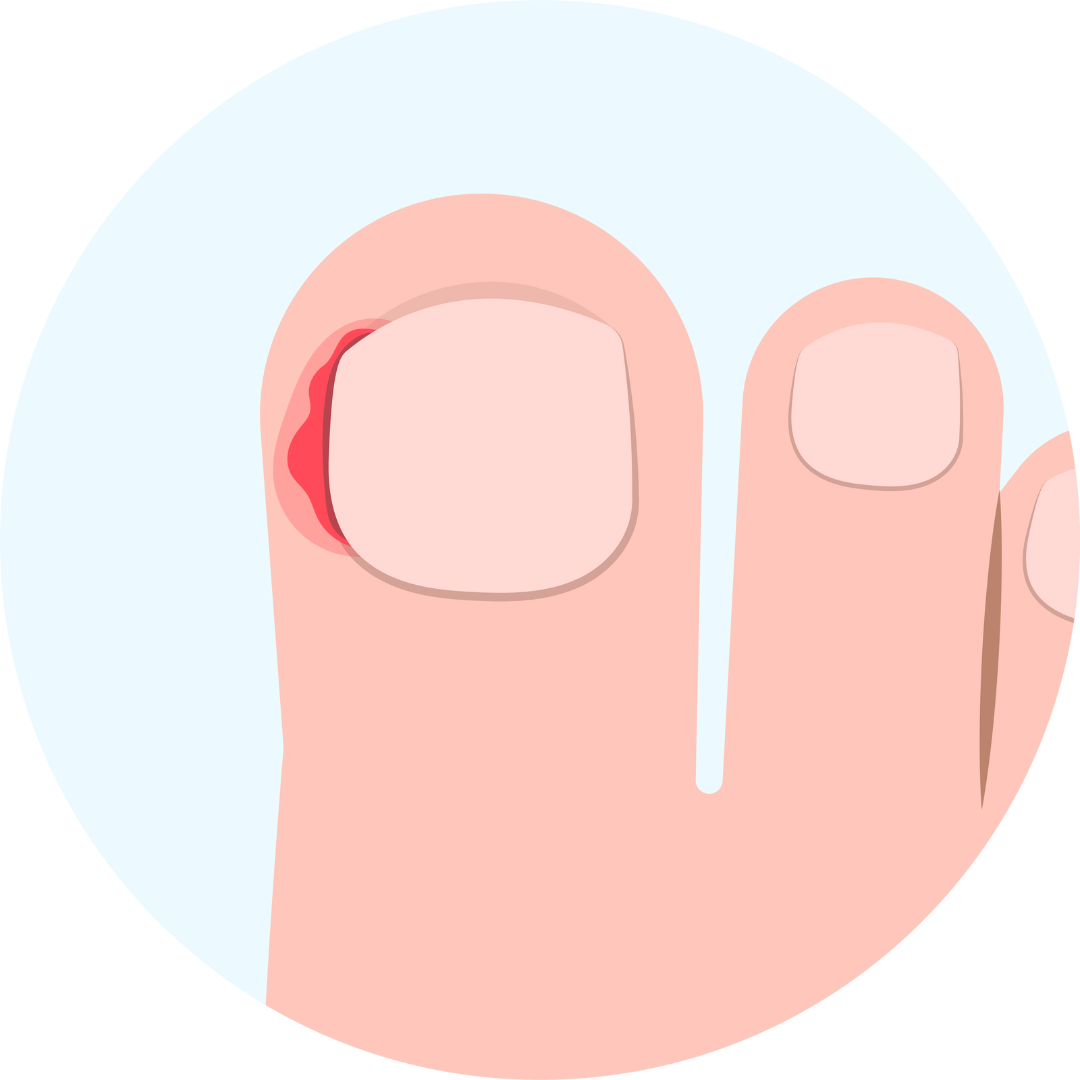
An ingrown toenail, also called onychocryptosis, occurs when the edge of the nail grows into the surrounding skin instead of over it.
The body's response is inflammation.
The skin becomes:
Red
Swollen
Tender
Painful
As the nail continues growing deeper into the skin, bacteria can enter through the tiny opening, leading to infection.
Although any toenail can become ingrown, the big toe is by far the most common because it experiences the greatest amount of pressure every time you walk.
Left untreated, an ingrown toenail can become surprisingly serious, especially for people with diabetes or poor circulation.
The Anatomy of the Toenail
Understanding how an ingrown toenail develops starts with knowing how your toenail grows.
Your toenail consists of several important structures:
Nail plate
Nail bed
Nail matrix
Cuticle
Surrounding skin folds
The nail matrix continuously produces new nail cells that push the nail forward.
Normally, the edges glide smoothly over the surrounding skin.
Problems occur when the nail edge begins growing downward into the skin instead.
This may happen because of:
Improper trimming
Injury
Genetics
Tight shoes
Curved nails
Once the skin becomes trapped against the nail, every step pushes the sharp nail edge deeper into the tissue.
How Warm Weather Affects Toenail Health
Summer creates the perfect storm for ingrown toenails.
Heat Causes Swelling
Hot temperatures naturally cause blood vessels to dilate.
As your feet swell throughout the day, the skin presses more firmly against the nail edge.
This extra pressure makes an already irritated nail significantly more painful.
Sweating Softens the Skin
Your feet contain thousands of sweat glands.
During summer, excess moisture softens the tissue surrounding the nail.
Soft skin is easier for the nail to penetrate, allowing the ingrown portion to dig even deeper.
Bacteria Thrive in Warm Conditions
Warm, moist environments are ideal for bacterial growth.
Once bacteria enter the small break in the skin caused by the ingrown nail, infection can develop quickly.
Signs include:
Increased redness
Warmth
Drainage
Pus
Foul odor
Throbbing pain
Increased Summer Activity
Summer usually means more:
Walking
Hiking
Running
Sports
Vacations
Beach days
Every step increases pressure on the nail.
Repeated motion forces the nail farther into the surrounding tissue, worsening inflammation.
Different Footwear
Many people switch to sandals during summer.
Although open shoes reduce pressure, flip-flops can actually make your toes grip harder while walking.
On the other hand, athletic shoes worn during sports may become tight as your feet swell in the heat.
Both situations can aggravate an ingrown nail.
Common Symptoms of Ingrown Toenails
Early symptoms include:
Mild tenderness
Pain along one side of the nail
Redness
Swelling
As the condition worsens, symptoms become more noticeable.
These include:
Sharp pain when walking
Pain while wearing shoes
Drainage
Bleeding
Pus
Warmth
Swelling that spreads
Difficulty exercising
Some patients develop excess tissue beside the nail called granulation tissue.
This bright red tissue bleeds easily and usually indicates that the problem has progressed beyond a mild ingrown nail.
Risk Factors for Ingrown Toenails in Summer
Several factors increase your chances of developing an ingrown toenail.
Cutting Nails Too Short
One of the biggest mistakes is trimming the corners into a curve.
Instead, trim nails straight across and avoid digging into the sides.
Tight Shoes
Shoes with narrow toe boxes squeeze the toes together.
This constant pressure pushes the nail into the skin.
Excessive Sweating
Sweaty feet soften the surrounding skin, making it easier for the nail to penetrate.
Naturally Curved Nails
Some people inherit nails that curve more than average.
These nails are naturally more likely to become ingrown.
Foot Injuries
Stubbed toes, dropped objects, or repetitive sports injuries can alter nail growth.
Diabetes
Patients with diabetes should never ignore an ingrown toenail.
Poor circulation and nerve damage increase the risk of serious infections and delayed healing.
Prevention Tips for Ingrown Toenails During Warm Weather
Fortunately, prevention is simple.
Trim Nails Properly
Cut toenails straight across.
Avoid cutting them too short.
Never dig into the corners.
Wear Shoes That Fit
Choose shoes with:
Wide toe boxes
Good arch support
Plenty of room for your toes
Keep Feet Dry
Change socks after exercise.
Use moisture-wicking socks if your feet sweat excessively.
Practice Good Hygiene
Wash your feet daily.
Dry thoroughly, especially around the toes.
Protect Your Feet
Wear proper footwear during hiking, running, or sports.
Repeated trauma increases your risk.
Don't Perform "Bathroom Surgery"
Many people try digging the nail out with scissors or tweezers.
Unfortunately, this often creates a deeper wound and increases the chance of infection.
Treatment Options for Painful Ingrown Toenails
Treatment for an ingrown toenail depends on how severe the condition has become. The earlier it's treated, the easier it is to relieve pain and prevent infection.
Conservative Treatment
If your symptoms are mild and there's no sign of infection, conservative care may provide temporary relief. This may include:
Soaking your foot in warm water for 15–20 minutes
Keeping the affected toe clean and dry
Wearing shoes with a roomy toe box to reduce pressure
Avoiding activities that aggravate the toe
While these measures can reduce inflammation and discomfort, they don't always correct the underlying problem if the nail continues growing into the skin.
Professional Nail Care
If the nail continues digging into the skin or has become infected, professional treatment is often the quickest and most effective solution.
During an office visit, I can carefully remove the portion of the nail causing the problem while preserving the healthy part of the nail whenever possible. Most patients experience immediate relief and are surprised by how quickly they're able to walk comfortably again.
Partial Nail Procedure
If you experience recurring ingrown toenails, a partial nail avulsion may be recommended. This simple in-office procedure removes only the section of the nail that's growing into the skin, helping prevent future episodes while preserving the appearance and function of the rest of the nail. Recovery is typically quick, allowing most patients to return to normal activities within a short time.
Permanent Nail Correction
For patients who have struggled with chronic or recurring ingrown toenails for years, a permanent matrixectomy may be the best long-term solution. This procedure prevents the problematic edge of the nail from growing back, significantly reducing the risk of recurrence and providing lasting relief.
Don't Wait Until It Gets Worse
If your ingrown toenail has become infected, is draining, or keeps coming back despite home treatment, it's time to have it evaluated by a podiatrist. Trying to dig out the nail yourself can make the problem worse and increase your risk of infection.
At Pacific Point Podiatry, we offer personalized treatment options to relieve pain, eliminate infection, and help prevent ingrown toenails from returning. Learn more about our treatment options Ingrown Toenail Treatment.
When to See a Doctor for Ingrown Toenails
Don't wait until your toe becomes severely infected. Seeking treatment early can relieve your pain, prevent complications, and help you avoid a more extensive procedure later.
Schedule an evaluation if you notice any of the following:
Severe or worsening pain
Increasing redness
Swelling around the nail
Drainage or pus
Bleeding
A foul odor
Fever or chills
Difficulty walking or wearing shoes
Recurring ingrown toenails
If your symptoms aren't improving after a few days of home care—or they're getting worse—it's time to see a podiatrist.
A Special Note for People with Diabetes
If you have diabetes, never ignore an ingrown toenail. Even a small break in the skin can quickly develop into a serious infection because diabetes can reduce circulation, slow healing, and make it harder for your body to fight infection.
Early treatment is the safest way to prevent complications and protect your long-term foot health.
To learn more about keeping your feet healthy and reducing your risk of serious complications, read our related article:
👉 Diabetic Foot Care: How to Prevent Ulcers, Infection, and Amputation
Home Remedies for Soothing Ingrown Toenail Pain
Home care can reduce discomfort while you arrange treatment.
Helpful measures include:
Warm water soaks for 15–20 minutes
Keeping the toe clean
Wearing open-toed shoes
Elevating the foot when resting
Applying an antibiotic ointment if recommended
Avoiding activities that increase pressure
If symptoms worsen or signs of infection develop, don't continue treating it at home.
If you've tried soaking your toe, changing shoes, and trimming your nails correctly but the pain keeps returning, it's time for a professional evaluation. Our goal is to treat the underlying cause—not just provide temporary relief.
You may also find these articles helpful:
These conditions can sometimes occur together and may contribute to ongoing discomfort.
Frequently Asked Questions
Why do ingrown toenails hurt more in the summer?
Heat causes your feet to swell, sweat softens the surrounding skin, and increased walking places extra pressure on the nail. Together, these factors make ingrown toenails significantly more painful.
Can an ingrown toenail heal on its own?
Very mild cases sometimes improve with proper nail care and reduced pressure. However, if the nail continues growing into the skin or becomes infected, professional treatment is usually necessary.
Is it safe to cut out my own ingrown toenail?
No. Attempting to remove the nail yourself often causes deeper injury and increases the risk of infection.
Are ingrown toenails dangerous for people with diabetes?
Yes. Even a small ingrown toenail can become a serious infection because diabetes may reduce circulation and slow healing.
Will an ingrown toenail come back?
It can. If you experience repeated ingrown toenails, a permanent nail procedure can greatly reduce the chance of recurrence.
Conclusion: Managing Ingrown Toenails Year-Round
Ingrown toenails are one of the most common foot problems I treat during the summer. Heat, swelling, moisture, and increased activity can turn a minor irritation into a painful infection surprisingly quickly.
Fortunately, most cases can be prevented with proper nail trimming, well-fitting shoes, and good foot hygiene. And if an ingrown toenail does develop, early treatment is usually simple and provides rapid relief.
If your toe has become red, swollen, painful, or infected, don't wait for it to get worse. Prompt treatment can prevent complications and get you back to enjoying your summer comfortably.
Schedule Your Ingrown Toenail Evaluation
At Pacific Point Podiatry, we provide compassionate, minimally invasive treatment for painful ingrown toenails. Whether you need quick relief or a permanent solution for recurring problems, we're here to help.
Don't let a painful toe keep you off your feet this summer—schedule your appointment today.